Tiếng Việt
Many people worry about skin darkening following high-tech cosmetic treatments. So, how long does it actually take for dark spots to fade after laser therapy? Typically, dark spots will gradually fade and disappear completely within 3 to 10 days, depending on individual physiology and the quality of aftercare. Read on as Hbio Clinic explains the skin regeneration process and shares tips for achieving naturally bright, healthy skin.
Factors directly influencing the time it takes for dark spots to fade
The process of dark spots fading after laser treatment varies from person to person. Recovery speed depends on a combination of factors directly related to skin characteristics and the specific treatment method, such as:
- Individual physiology: A person’s immune system and natural cell regeneration rate determine how quickly pigmentation recovers.
- Laser technology: High-energy or deep-penetrating methods trigger stronger reactions, requiring a longer recovery period.
- Baseline skin condition: Skin with existing issues—such as inflammation, long-standing melasma, or prior damage—takes longer to stabilize compared to healthy skin.
- Post-treatment care: Adhering to moisturizing and skin protection routines, as well as avoiding UV exposure, is crucial for accelerating the fading of dark spots.
- Lifestyle: Habits such as staying up late, work-related stress, or a poor diet can slow down the skin’s healing process.
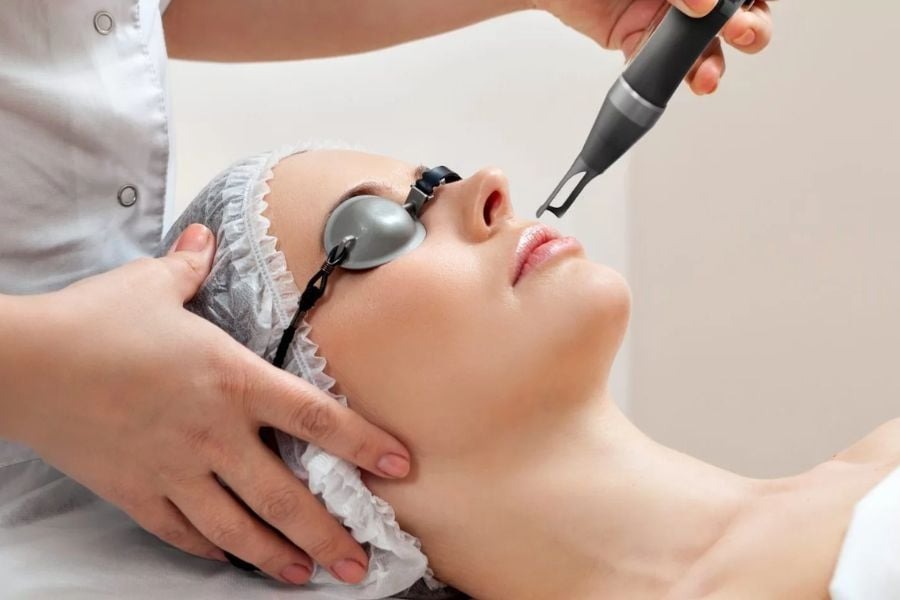
Scientifically-backed skincare steps to accelerate the fading of dark spots
Once you understand the timeline for dark spots to fade after laser treatment, you will likely realize the importance of proper post-procedure skincare. Below are care steps to support recovery and improve dark spots following laser treatment:
Gentle skin cleansing
After laser treatment, the skin’s surface is often more sensitive than usual. Therefore, it is essential to prioritize gentle cleansing methods to avoid irritation.
- For the first four days, cleanse the skin only with normal saline or boiled, cooled water.
- Once scabs begin to peel and the skin shows signs of recovery, you can switch to using a mild facial cleanser.
- Opt for products free from exfoliating active ingredients—such as AHA, BHA, PHA—or tea tree oil.
- When washing your face, avoid vigorous rubbing to prevent disrupting the skin as it regenerates.

Ensure adequate skin hydration
Moisturizing is essential to alleviate feelings of dryness and tightness while supporting skin recovery following laser treatment.
- You may use a facial mist to provide instant hydration and soothe the skin’s surface.
- After approximately four days, once most of the scabs have sloughed off, apply a specialized moisturizer to aid skin regeneration.
- Prioritize products with lightweight textures that are free from fragrances, colorants, and potential irritants.
Protect the skin from sun exposure
Post-laser skin is highly susceptible to UV damage; therefore, appropriate sun protection measures are crucial.
- For the first 48 hours, strictly limit direct sun exposure and avoid using cosmetic products.
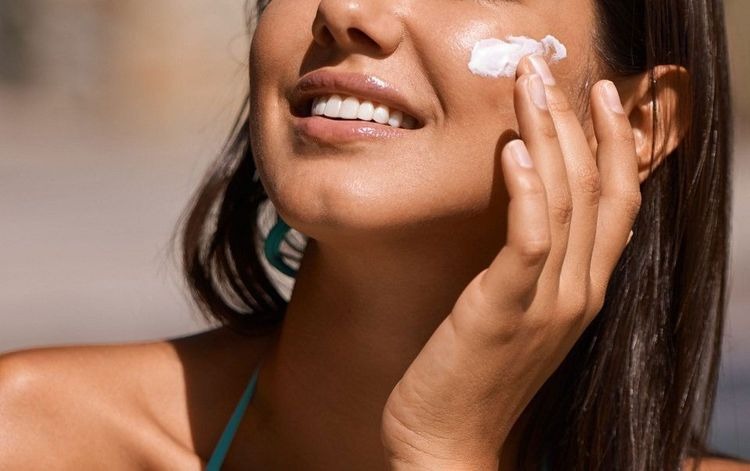
- After about four days, you may begin using a broad-spectrum sunscreen with a gentle formula.
- Opt for products free from fragrances, silicones, or parabens to minimize the risk of irritation.
- Apply sunscreen at least 30 minutes before going outdoors and reapply every 4–6 hours to maintain protection.
Establishing a nutritional regimen to support skin recovery
In addition to external skincare, a scientifically sound diet helps accelerate skin regeneration following laser treatment.
- Vitamin C—found in oranges, grapefruits, guavas, and strawberries—strengthens the skin’s resilience and supports the production of new cells.
- B-group vitamins—sourced from salmon, pork, and other foods—help fade scars and improve skin brightness.
- Vitamin E—present in almonds, avocados, and winter melon—helps maintain natural moisture and speeds up the recovery process.
Important considerations for pre- and post-laser skincare
Proper skincare both before and after the procedure maximizes treatment effectiveness. Below are key guidelines for safely protecting and nourishing the skin after laser treatment:
Pre-laser considerations
- Pause hair removal: Avoid plucking, waxing, professional hair removal treatments, or chemical peels for at least three weeks prior to the laser procedure to prevent excessive skin sensitivity.
- Limit potent active ingredients: Discontinue the use of products containing AHAs, BHAs, or retinoids for at least three days before the treatment to allow the skin to stabilize and minimize the risk of irritation.
Post-laser treatment care
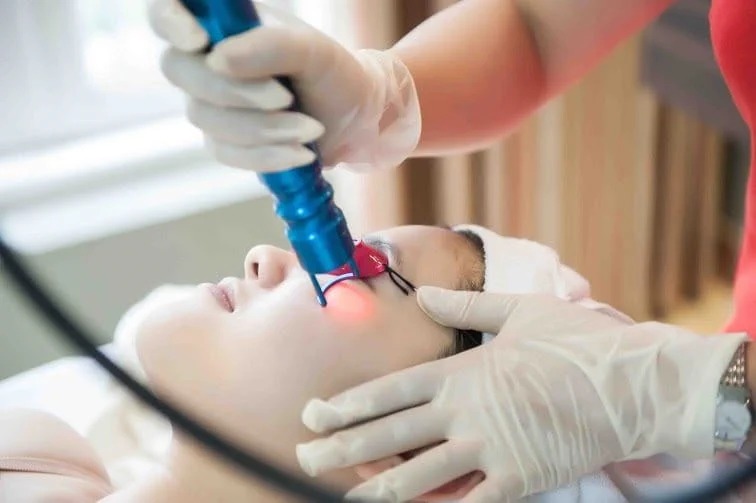
In the first 48 hours following laser treatment, the skin is often more vulnerable because its protective barrier has been compromised, making it prone to sensitivity and damage. Proper care during this period facilitates rapid recovery and minimizes the risk of complications.
Things to avoid after laser treatment:
- Do not use harsh treatment products
- Limit the use of makeup
- Avoid exfoliation
- Avoid exposure to high temperatures
- Do not touch or scratch the treated area
- Minimize touching your face with your hands
When does post-laser dark pigmentation become a cause for concern?
Typically, dark spots are a temporary side effect that fades over time. However, if your skin shows signs that deviate from the expected recovery process, you should take immediate action to prevent serious complications:
- Infection: The treated area shows signs of prolonged swelling and pain, unusual discharge, blisters, or an intense burning sensation.
- Abnormal hyperpigmentation: Dark spots do not fade after three months but instead tend to spread or darken compared to their initial appearance.
- Signs of scarring: The appearance of abnormal pitted or raised areas, indicating deep structural damage and improper healing.
- Severe inflammation: Widespread skin inflammation accompanied by uncomfortable itching or systemic symptoms such as a mild fever.
- Anxiety: If you feel the recovery process differs from what was initially discussed, it is essential to contact a specialist for a timely examination.

The information above provides a detailed explanation regarding the timeline for dark spots to fade after laser treatment. We hope this helps put your mind at ease and assists you in establishing a scientifically sound skincare routine to ensure your skin recovers quickly and regains its radiant, healthy glow.
To achieve optimal treatment results and ensure safety, it is recommended to choose a reputable facility like HBIO Clinic. With a team of highly qualified doctors, medically standardized care protocols, and international-standard equipment, HBIO Clinic is committed to delivering effective aesthetic solutions that facilitate rapid skin recovery and maintain a naturally radiant, healthy appearance.