Tiếng Việt
After filler injections, proper dietary restrictions are crucial for recovery. So, how long should you avoid alcohol after filler injections? In fact, you should completely abstain from alcohol for at least the first 24-48 hours, and ideally, only resume drinking when the filler has stabilized relatively. In the article below, HBIO Clinic provides detailed answers and guidance on how to care for the injection site after the procedure.
How long should you avoid alcohol after filler injections? Why shouldn’t you drink alcohol after injections?
How long should you avoid alcohol after filler injections? After filler injections, you should completely abstain from alcohol for at least the first 24-48 hours because this is the period when the injection site is still slightly swollen and the filler hasn’t fully stabilized in the tissue.
To ensure the filler takes on a natural shape and to minimize the risk of irritation or prolonged recovery time, many doctors recommend limiting alcohol until the filler is relatively stable, usually about 1-2 weeks depending on individual factors and injection site.
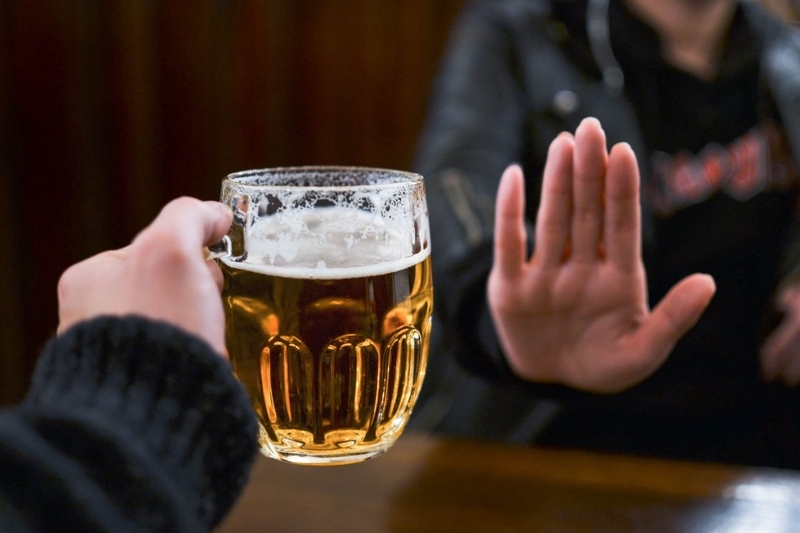
Here are some reasons why you should limit your alcohol consumption during this time:
Alcohol increases swelling and bruising
The alcohol in alcoholic beverages dilates blood vessels and increases blood flow to the area where filler was injected. This makes the injection site more prone to swelling, and bruises are darker and last longer than usual.
In addition, with continuously dilated blood vessels, the amount of fluid accumulated in the injection area tends to increase, causing a longer-lasting feeling of tightness and discomfort.
Affects filler stabilization
Alcohol can cause prolonged swelling in the injection site and make the tissue surrounding the filler more sensitive than usual. In some cases, there is also a risk of the filler setting slowly, uneven distribution, or a slight bump appearing under the skin if alcohol is consumed too soon.
Increases the risk of inflammation and irritation
Alcohol can intensify post-injection inflammatory reactions, especially in people with sensitive or easily irritated skin. When the body is stimulated by alcohol, the filler injection site may also experience prolonged redness, tightness, pain, or sensitivity.
This also makes the body’s recovery environment less stable.
Alcohol has diuretic properties, easily causing dehydration, while the recovery process after filler injections requires a sufficiently moist environment for better skin tissue stability. When the body is dehydrated, the injected skin area may become drier, tighter, and take longer to regain its natural softness.

How long after filler injections can you drink alcohol again?
The time you can drink alcohol after filler injections depends on the recovery speed, the degree of swelling and bruising, and the stability of the filler in the skin tissue.
To minimize the risk of prolonged swelling or affecting the filler’s shape, you should monitor each stage of recovery before consuming alcoholic beverages again.
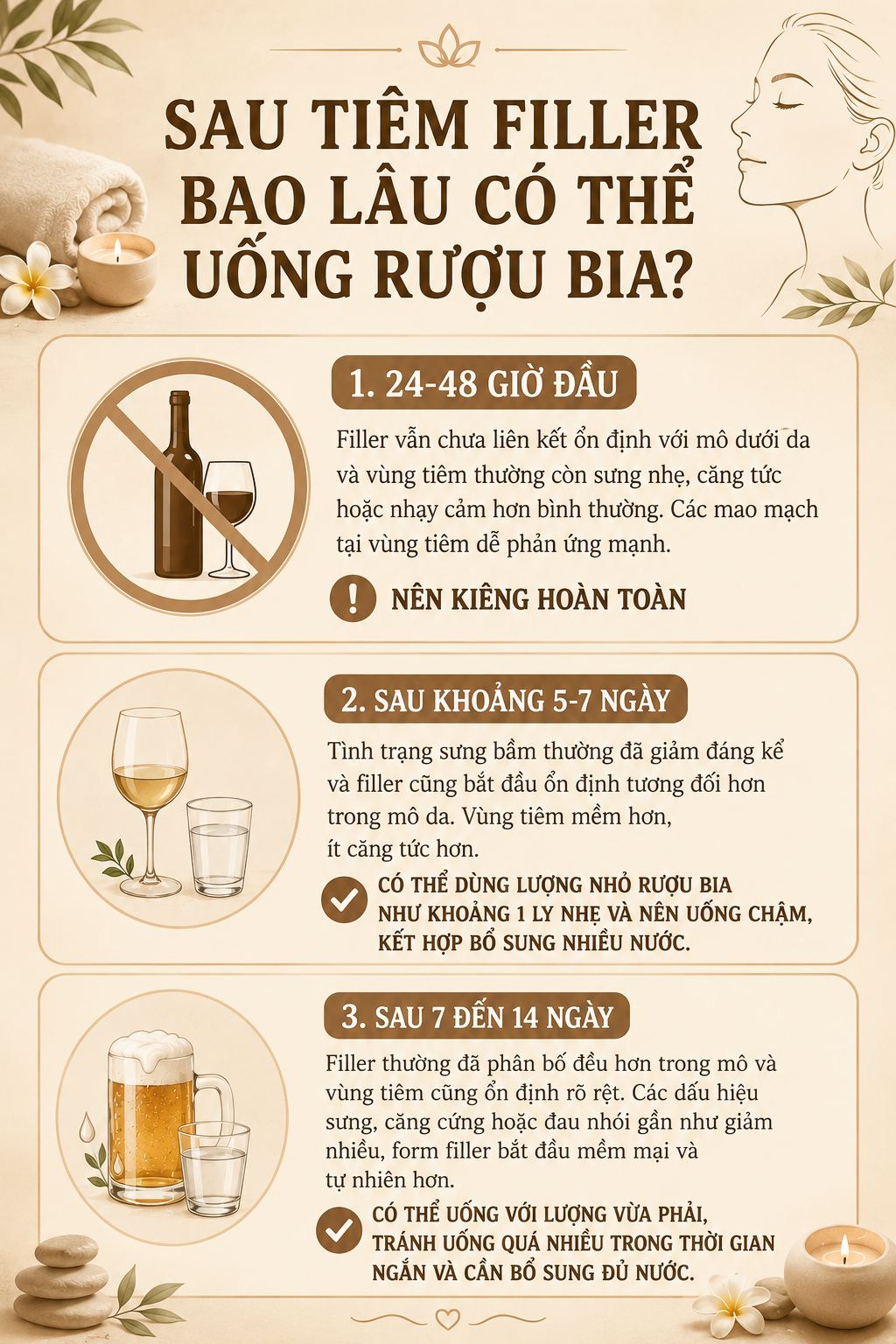
Abstinence is required for the first 24-48 hours.
During the first 24-48 hours, the filler has not yet stabilized with the subcutaneous tissue, and the injection area is usually slightly swollen, tender, or more sensitive than usual.
This is also the stage where capillaries in the injection area are more prone to strong reactions, so drinking alcohol too soon can significantly prolong swelling, redness, and bruising.
After about 5-7 days
After about 5-7 days, most swelling and bruising have significantly decreased, and the filler has begun to stabilize relatively better in the skin tissue. The injection site is usually softer, less tense, and daily activities are more comfortable than in the initial stages.
If the injection site heals well, with no noticeable pain or bruising, you can consume small amounts of alcohol, such as about one light glass, and should drink slowly, combined with plenty of water.
After 7 to 14 days
After about 7 to 14 days, the filler is usually more evenly distributed in the tissue, and the injection site is significantly more stable than in the first few days. Signs such as swelling, tightness, or stinging pain are almost completely reduced, and the filler form begins to soften and look more natural when moved or lightly touched.
At this point, you can usually resume normal activities and eating if the injection site no longer shows any unusual signs such as prolonged pain, redness, heat, or hard lumps.
However, when consuming alcohol, you should still drink in moderation, avoid drinking too much in a short period, and ensure you drink enough water to minimize the impact on the stability of the filler.
Foods and Drinks to Avoid After Filler Injections
According to advice from Dr. Thai – a cosmetic expert at HBIO Clinic, avoiding certain foods and drinks after filler injections will help limit swelling and inflammation, support faster filler stabilization, and reduce the risk of irritation at the injection site.
- Spicy foods: These can increase blood circulation and cause the injection site to become red, swollen, or experience prolonged burning sensations. Additionally, high temperatures from food can make the filler area more sensitive, especially on the lips or cheeks after injection.
- Seafood that easily causes irritation: Seafood such as shrimp, crab, squid, or other strong-smelling foods can increase the risk of itching, irritation, or prolong recovery in individuals with sensitive skin.
- Tobacco and stimulants: These can reduce the skin tissue’s ability to heal and cause fillers to stabilize more slowly than usual. In particular, nicotine in cigarettes affects blood circulation, making the injection site dry, slow to heal, and increasing the risk of prolonged inflammation and irritation.
- Avoid foods that are too hard and require a lot of chewing (especially if the injection site is on the chin, lips, cheeks, etc.): because continuous, vigorous chewing can put pressure on the filler area. This can easily cause more pain, delay the natural softening of the skin, or make the filler take longer to stabilize its shape than usual.

Post-Injection Care for Faster Filler Stabilization
Proper aftercare will help reduce swelling and bruising, support the filler’s natural shape, and minimize the risk of irritation or displacement during recovery.
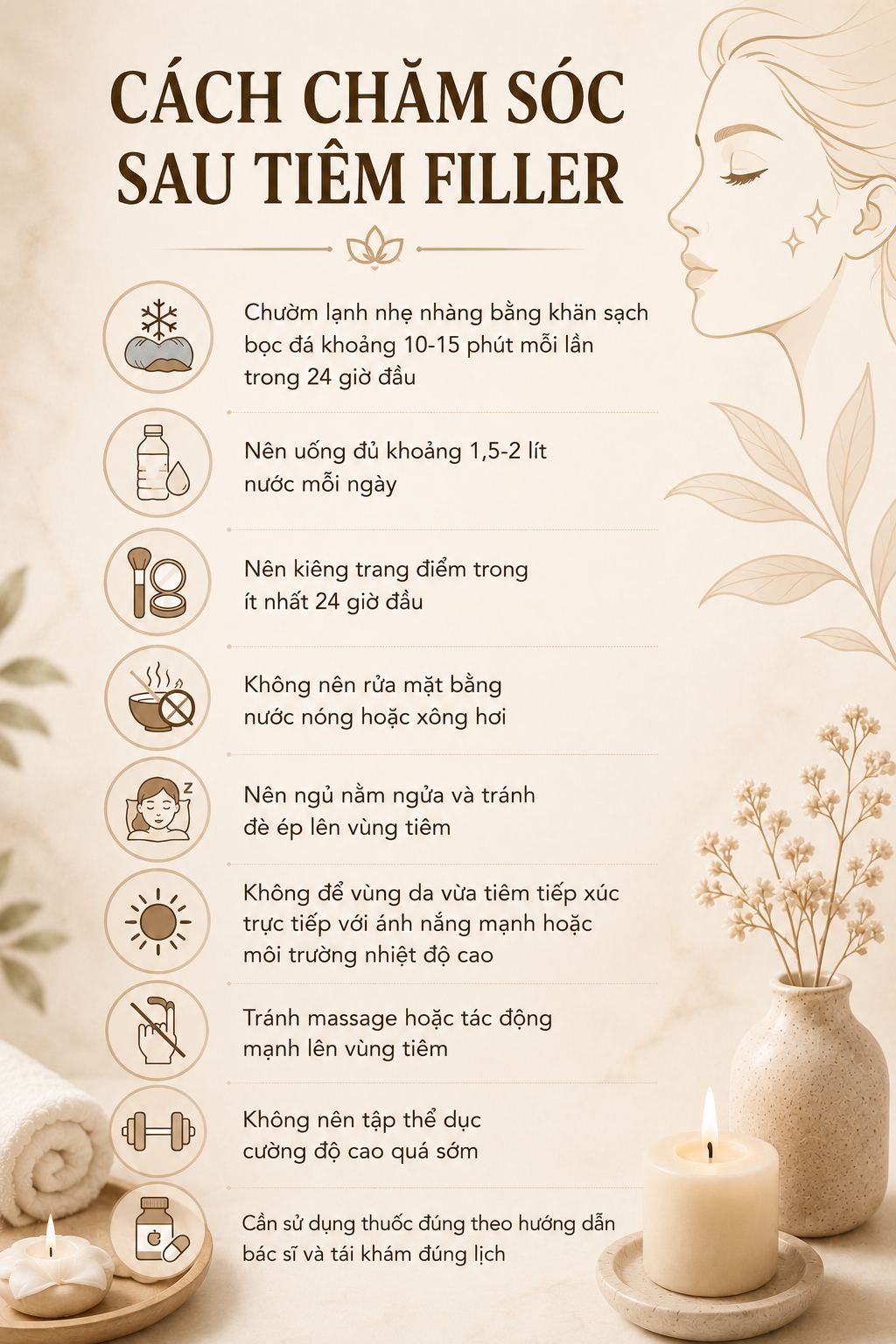
- Gently apply a cold compress using a clean towel wrapped around ice for 10-15 minutes at a time during the first 24 hours to help reduce swelling and tightness in the injection area.
- Drink 1.5-2 liters of water daily, as HA-based fillers require water to maintain their softness and natural stability.
Avoid makeup for at least the first 24 hours to limit direct contact of bacteria and cosmetic chemicals with the injected skin. - Do not wash your face with hot water or use a steamer, as high temperatures can prolong swelling and slow filler stabilization.
- Sleep on your back and avoid pressure on the injection area to minimize the risk of displacement while sleeping.
- Avoid exposing the injected area to strong sunlight or high temperatures, as heat can increase swelling, redness, and irritation.
- Avoid massaging or applying strong pressure to the injection site to prevent the filler from shifting, clumping, or becoming uneven during the initial recovery period.
- Avoid strenuous exercise too soon, as vigorous activity increases blood circulation and can prolong swelling and bruising in the filler area.
- Use medication as directed by your doctor and attend follow-up appointments as scheduled to monitor the filler’s stability and address any abnormalities promptly.
Frequently Asked Questions Before and After Filler Injections
Below are some frequently asked questions from HBIO Clinic clients before and after filler injections to ensure a safe beauty procedure and smoother recovery.
Is filler injection painful?
Filler injections usually only cause a slight tingling or tightness sensation because the injection area is numbed for about 15-20 minutes beforehand. The discomfort is usually quite mild and will subside quickly after the injection is completed.
How long does it take for filler to soften after injection?
Typically, filler will begin to soften naturally after about 5-7 days and stabilize more noticeably after 1-2 weeks, depending on individual factors and injection site. In the first few days, the injection area may feel slightly tight or firm as the filler adapts to the skin tissue.
Do I need to abstain from alcohol before injection?
You should limit alcohol consumption about 24 hours before the injection to reduce the risk of excessive swelling and bruising. Alcohol can dilate blood vessels and make the injection area more sensitive during recovery.
Does completely abstaining from alcohol help the filler last longer?
Regularly limiting alcohol consumption can support a more stable recovery and help maintain better skin quality after filler injection. If possible, you should completely abstain from alcohol to help the filler last longer and prolong the stabilization period.
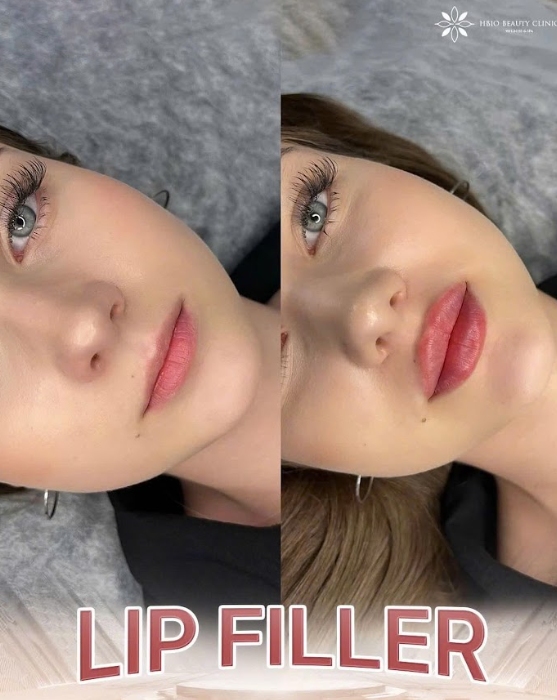
Abstaining from alcohol after filler injections not only helps minimize irritation but also supports the filler in achieving a natural shape. Understanding how long to abstain from alcohol after filler injections will help you be more proactive in the aftercare process and maintain the aesthetic results.