Tiếng Việt
Oily, acne-prone skin is one of the most “difficult” skin types to manage and requires a meticulous skincare routine. Without proper cleansing and care, the skin can easily become clogged, leading to blackheads, inflammatory acne, and even stubborn dark spots and scars. In this article, HBIO Clinic will help you understand the causes and find more effective ways to care for oily, acne-prone skin.
Causes of oily, acne-prone skin
Oily, acne-prone skin stems from various causes, both internal and external environmental factors, such as:
Endocrine disorders
Hormonal changes, especially during puberty, before menstruation, or during prolonged stress, can cause an increase in androgen hormones. These hormones stimulate the sebaceous glands to become more active than usual, leading to increased oil production and clogged pores.
When pores are clogged, bacteria accumulate, causing inflammation and the formation of acne.
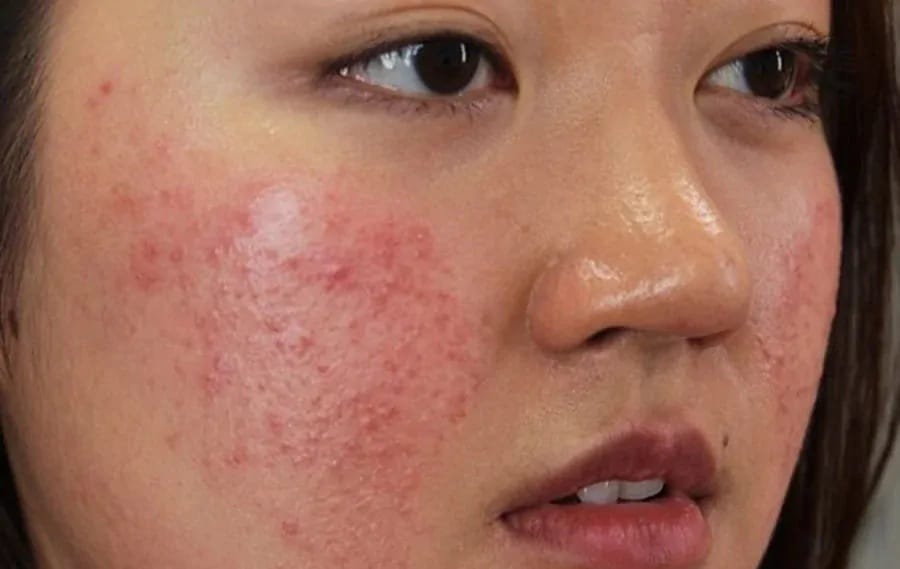
Poor diet
An unhealthy diet with too much sugar, spicy food, greasy food, or fast food can increase insulin levels and stimulate the sebaceous glands to become more active. When the skin produces too much oil, combined with dead skin cells and bacteria, it can easily clog pores, leading to acne.
Therefore, a balanced diet plays a crucial role in controlling oily and acne-prone skin.
Improper skin hygiene
Washing your face too many times a day or using cleansers with a high pH and harsh cleansing ingredients can strip your skin of its natural moisture, causing the sebaceous glands to overproduce oil to compensate, worsening oily skin.
In addition, if you don’t thoroughly remove makeup at the end of the day, dirt and makeup residue will accumulate in your pores, causing blockages and creating a breeding ground for bacteria, leading to acne.
Cosmetics that clog pores
Some makeup or skincare products contain pore-clogging ingredients such as mineral oil, silicon, or synthetic fragrances, which can worsen oily, acne-prone skin. When pores are blocked, sebum gets trapped, combining with bacteria and dead skin cells to form inflammatory acne, blackheads, or whiteheads.
Therefore, people with oily, acne-prone skin should prioritize choosing cosmetics labeled “non-comedogenic” to minimize the risk of breakouts.
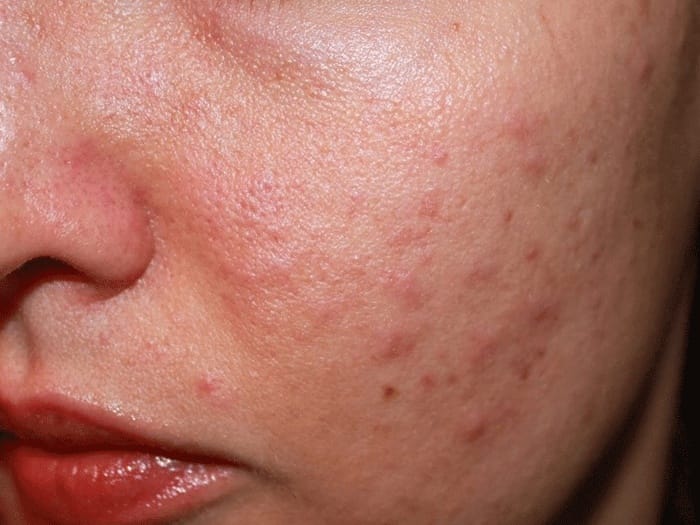
Genetic factors
Genetics plays a significant role in determining a person’s skin type. If your family, especially your parents or siblings, have oily skin, you are likely to inherit this trait. However, despite genetic factors, proper skincare can help control oil production, prevent clogged pores, and effectively combat acne.
Scientifically proven skincare routine for oily and acne-prone skin
Proper skincare for oily, acne-prone skin not only helps cleanse the skin and reduce oil production but also supports acne treatment and prevents recurrence.
Makeup removal, face washing
Whether you wear makeup or not, oily, acne-prone skin still needs daily cleansing to remove dirt, excess oil, and sunscreen.
For facial cleansers, you should choose one with a balanced pH (5.5 – 6) and containing mild antibacterial ingredients such as tea tree oil and salicylic acid, which help to deeply cleanse without causing dryness or tightness.
Exfoliate regularly
Exfoliating 1-2 times a week helps remove dead skin cells, preventing clogged pores that cause acne. It’s best to prioritize gentle chemical exfoliants (AHA, BHA) suitable for oily, acne-prone skin.
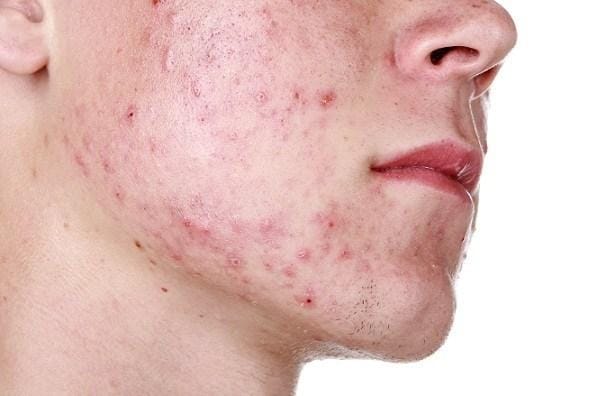
Use a toner to balance your skin
Toner helps tighten pores, soothe the skin after cleansing, and prepare it for subsequent skincare steps. Choose an alcohol-free toner containing ingredients such as green tea extract, niacinamide, or witch hazel.
Gentle moisturizing
Even with oily skin, you still need to moisturize to maintain your skin’s protective barrier. Choose gel-based products that won’t clog pores and can control oil production, such as:
- Hyaluronic acid-containing gel moisturizers
- Moisturizers containing niacinamide to balance sebum production
Additionally, you can seek professional care at HBIO Clinic, which boasts a team of experienced dermatologists and state-of-the-art technology such as Laser Acnes Pro, IPL, or RF wave technology. Treatments here are personalized to each skin condition, helping to deeply cleanse, reduce oil secretion, bring acne to a head, and brighten the skin surface safely and effectively. HBIO Clinic is committed to delivering healthy, even-toned skin with noticeable acne reduction after each treatment.
From this article, caring for oily, acne-prone skin isn’t too difficult if you understand your skin and are consistent with the right routine. Starting with basic steps like cleansing and moisturizing, to targeted treatments and skin protection, each step plays a crucial role in controlling oil, preventing acne, and improving overall skin condition.
If your acne is persistent or severe, you should visit HBIO Clinic for consultation and specialized treatment. Visit HBIO Clinic for a free consultation on oily and acne-prone skin and experience specialized, safe, and effective treatments from leading dermatologists.