Tiếng Việt
Subcision is one of the effective treatments for pitted scars, trusted by many dermatologists for its ability to break down deep scar tissue beneath the skin. However, to achieve optimal results and minimize complications such as hyperpigmentation, inflammation, or recurrence, post-subcision skin care is extremely important. In this article, HBIO Clinic will guide you on how to care for your skin after subcision, helping your skin recover quickly, stay healthy, and achieve the best treatment results. Let’s follow along!
Learn about the subcision method for pitted scars
Subcision is a commonly used technique in dermatology and cosmetic skin treatments for pitted/depressed scars. It’s a minimally invasive procedure that releases the fibrous tissue beneath the scar to flatten the skin surface. Below is a detailed and easy-to-understand summary.
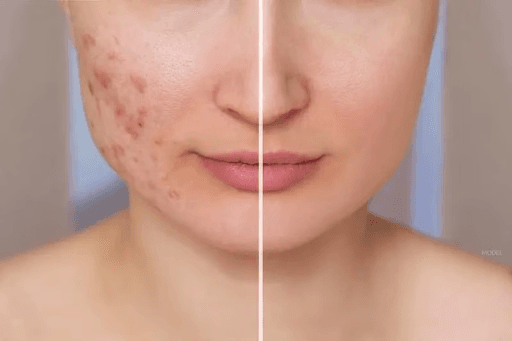
The principle of the subcision method for pitted scars
Pitted scars (acne scars) form due to:
- Deep skin damage (inflammatory acne, chickenpox, trauma, etc.)
- The dermis is destroyed → fibrous tissue forms, pulling the scar base downwards → depressed skin.
Subcision uses a specialized needle to cut these fibers, which helps to:
- Releasing the scar base
- Stimulating collagen and elastin regeneration for natural filling.
Scar subcision procedure
- Examination and assessment of the scar (determining the appropriate scar type: boxcar, rolling, not for ice-pick).
- Disinfect and anesthetize the area.
- Using a subcutaneous needle (Nokor, 18G–20G needle, or specialized blunt cannula):
- The doctor inserts the needle under the skin and moves it back and forth to cut the fibrous bands that are pulling the skin inward.
After the cut:
Mild bruising and swelling may occur for 1–3 days.
Suitable candidates
- Soft-bottomed rolling or boxcar scars.
Not suitable for
- Ice-pick scars (deep, small, pointed scars).
- Individuals who bruise easily, have blood clotting disorders, or are taking anticoagulants.
Detailed guide on how to care for your skin after subcision for pitted scars
Below is a detailed guide on how to care for your skin after subcision, helping it recover quickly, reducing risks, and optimizing treatment effectiveness.
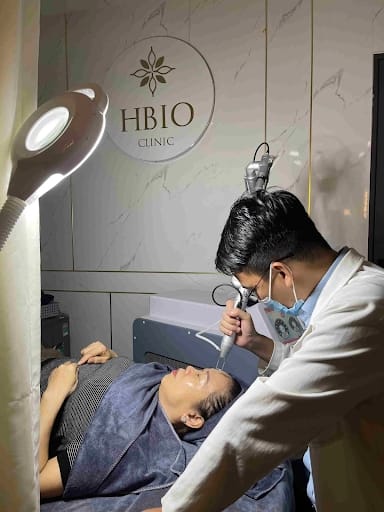
Phase 1: The first 1–3 days after scar base excision
Objective: Reduce swelling, prevent inflammation, and keep the skin clean, dry, and healthy.
Things to do:
- Gently cleanse the skin: Use saline solution or a mild facial cleanser (non-foaming, alcohol-free, and fragrance-free) to wash your face twice a day. Pat dry with a soft, clean towel. Do not rub the treated area.
- Apply cold compresses for the first 24 hours: Use ice packs wrapped in a towel or cold gel packs to reduce swelling and pain (10–15 minutes at a time, every 2–3 hours).
- Apply medication as prescribed by your doctor: This may include topical or oral antibiotics to prevent infection. Some doctors may also prescribe painkillers if needed.
- Maintain strict hygiene: Avoid touching the treated area with your hands. Do not wear makeup or use any unapproved cosmetics.
Avoid:
- Do not wash your face with hot water.
- Do not use toner, serum, AHA/BHA, retinol, vitamin C, etc.
- Avoid strenuous exercise that causes excessive sweating.
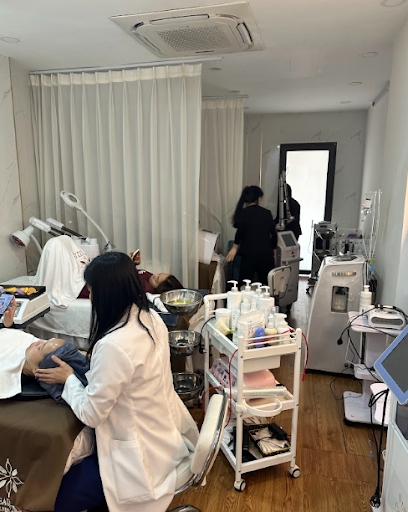
Phase 2: Days 4–7
Objective: Moisturize – repair – prevent hyperpigmentation
Things to do:
- Moisturizing and Restoring: Start using a restorative cream containing ingredients such as: Panthenol (B5), Madecassoside (Centella Asiatica extract), Ceramide.
- Strict Sun Protection: From day 4 onwards, if the skin is no longer bleeding or has open wounds, a gentle physical sunscreen (SPF 30–50) can be used.
- Begin Intensive Skin Restoration: A facial mist and restorative serum can be added if the skin is stable and approved by the doctor.
Avoid:
- Makeup
- Using exfoliants or harsh cosmetic products
- Massaging or applying physical pressure to the damaged skin area
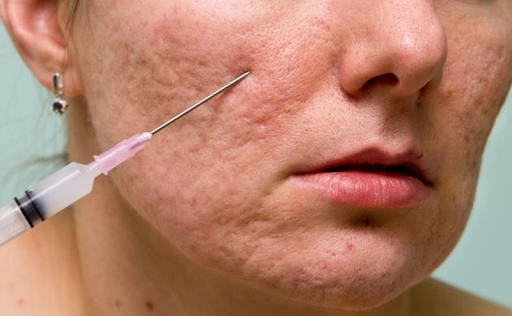
Phase 3: From one week onwards
Objective: Regeneration – nourishment – preparation for further treatment
What should be done:
- Maintain daily moisturizing and sun protection.
- Begin gentle regeneration: Depending on your skin condition, you may use a skin serum, low-concentration vitamin C, or other gentle skin regeneration products (as directed by your doctor).
- Arrive for follow-up appointments: Your doctor will assess your recovery progress and may prescribe further steps: PRP, laser, micro-RF, etc.
Avoid:
- Do not squeeze pimples or pick at scabs if present.
- Skip the sunscreen step, even on cloudy days.
Other notes
- Each person will have a different recovery rate, so always follow your doctor’s individual instructions.
- If you experience any unusual symptoms: prolonged redness, severe pain, swelling, inflammation, pus formation, etc., contact a medical facility immediately.
HBIO Clinic – A reputable address for treating pitted scars in Hanoi
In Vietnam, particularly in Hanoi, HBIO Clinic has become one of the pioneering centers for treating pitted scars using modern medical methods. The clinic is not simply a beauty salon, but operates with a focus on in-depth skin aesthetics, centered around scientific and dermatological principles.
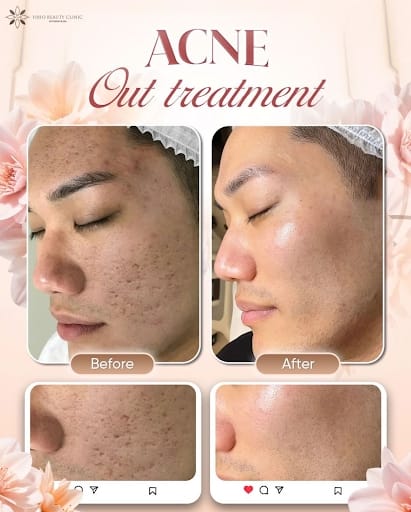
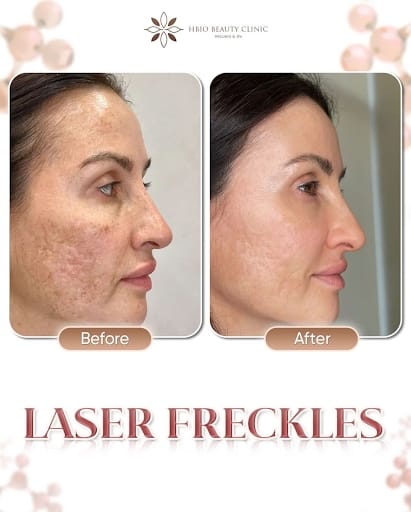
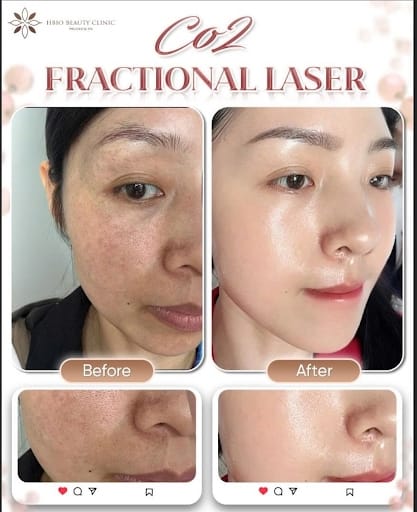
Depending on the individual case, doctors at HBIO may prescribe advanced methods such as:
- Subcision to break down the fibrous band pulling the skin down
- Fractional CO2 or Er:YAG laser for skin resurfacing
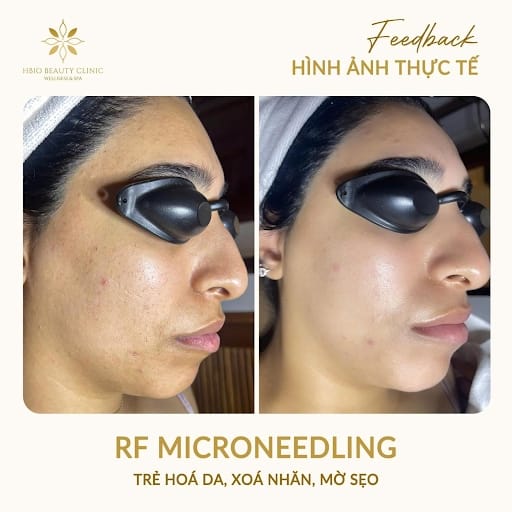
- Microneedling/microneedling combined with PRP (platelet-rich plasma) to stimulate endogenous collagen production
- Medical chemical peel to improve skin tone and fade shallow scars
- Mesotherapy/biological filler injections to quickly fill in deep scars
In particular, HBIO uses medical-grade equipment and technology imported from Europe and Korea, ensuring safe treatment and optimized results.
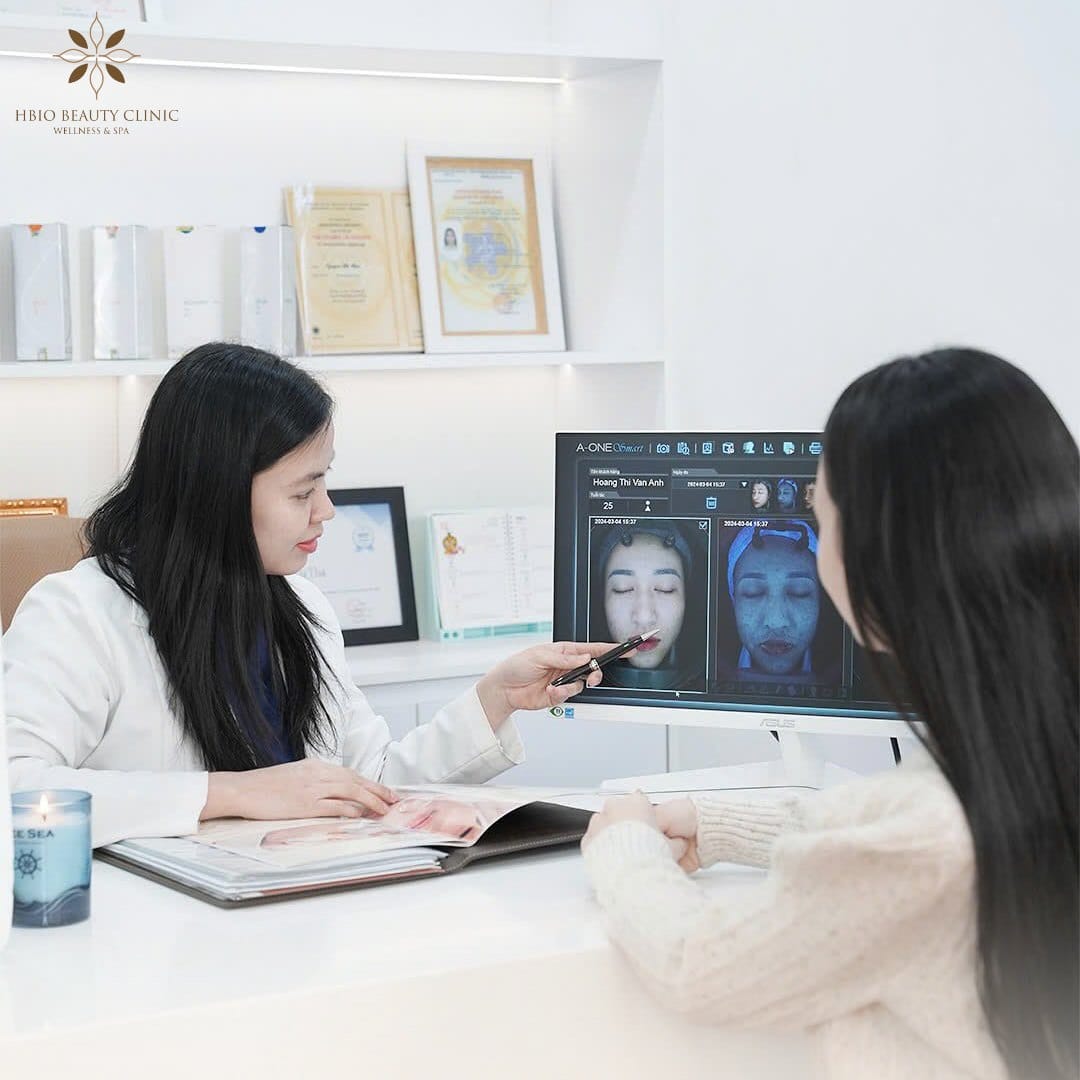
At HBIO, the scar treatment journey doesn’t end after each procedure. Clients are closely monitored throughout the skin recovery process, given instructions for home care, and receive regular follow-up appointments to assess effectiveness and adjust the treatment plan as needed. This is what makes many people choose to stay with HBIO long-term, thanks to the professional and dedicated support from our team of doctors, nurses, and consultants.
HBIO Clinic Contact Information:
- Phone: 0947 697 795
- Maps: 24 Truong Han Sieu Street, Tran Hung Dao Ward, Hoan Kiem District, Hanoi
Post-operative skin care after subcision for pitted scars is not only a supportive step in recovery, but also a crucial factor in the long-term effectiveness of the entire treatment process. Following instructions correctly, maintaining hygiene, moisturizing, sun protection, and listening to your skin will help minimize complications such as hyperpigmentation, inflammation, and scar recurrence, while significantly shortening the recovery time.
However, treating pitted scars is a journey that requires both expertise and dedicated support. If you are looking for a place with a solid medical foundation and a focus on experience and tangible results, HBIO Clinic is a trustworthy address. With a team of highly specialized dermatologists, personalized procedures, and state-of-the-art medical technology, HBIO not only treats scars but also helps you restore your confidence, little by little, in the safest and most scientific way.
Let every time you look in the mirror be a moment of pride in your skin rejuvenation journey, and HBIO Clinic will always be ready to accompany you on that journey.