Tiếng Việt
Olive oil has long been considered “liquid gold” in the beauty industry thanks to its rich nutrient content and superior moisturizing ability. However, there is much debate surrounding whether applying olive oil to the face daily is good or not. Let’s hear from the experts at HBIO Clinic below for an accurate assessment and information.
The benefits of olive oil for the skin
Olive oil is widely used in skincare routines due to its moisturizing and nourishing properties. When used correctly, olive oil can offer many benefits, including:
- Moisturizing and softening the skin: Helps improve dryness, flaking, and makes skin softer.
- Antioxidant support: Vitamin E and polyphenols help protect the skin from free radicals and environmental damage.
- Strengthening the skin barrier: Natural fatty acids help reduce water loss through the skin, maintaining essential moisture.
- Soothing dry skin: Can help reduce tightness and irritation in areas lacking moisture.
- Helping to remove makeup: Olive oil can dissolve sebum and cosmetics, and is often used as a natural makeup remover.
Can olive oil moisturize the skin?
Olive oil has long been considered an effective natural moisturizer. Olive oil contains a large amount of fatty acids, vitamin E, and polyphenols – all of which are active ingredients that can nourish the skin’s epithelium very well.
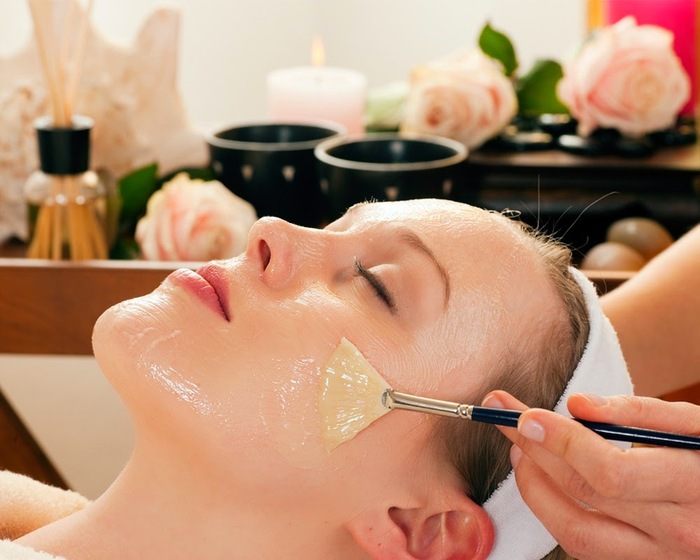
Using olive oil correctly will bring positive changes to your appearance:
- Deep moisturizing: Thanks to its rich fatty acid structure, olive oil creates a barrier to prevent water loss, making the skin soft and supple, especially suitable for those with dry or flaky skin.
- Effective anti-aging: The natural antioxidants in olive oil help neutralize free radicals, thereby helping to reduce fine wrinkles and maintain skin elasticity.
- Soothes irritation: For sunburned or mildly inflamed skin, the anti-inflammatory properties of olive oil help reduce redness and quickly soothe damaged skin.
- High gentleness: As a natural ingredient, olive oil does not contain harmful preservatives, providing peace of mind for those who love organic beauty practices.
Is applying olive oil to the face daily good? Does it cause acne?
Despite its many miraculous uses, the answer from dermatologists at HBIO Clinic to the question of whether applying olive oil to the face daily is: NO.
Using olive oil too frequently will cause adverse reactions, making the skin condition worse instead of improving it. In fact, olive oil has a medium comedogenic rating.

If you apply oil to your face every day, the excess oil that can’t be fully absorbed will accumulate, combining with dirt and dead skin cells to form “clogs” in your pores. Therefore, instead of wondering if applying olive oil to your face daily is good, you should focus on adjusting the frequency of use to be as scientific as possible.
The ideal frequency recommended is only 2 to 3 times per week. This is enough time for the skin to absorb nutrients while still allowing time for the skin to expel excess oil, helping to maintain clear pores.
Which skin types should and shouldn’t use olive oil?
Understanding your own skin type is crucial to answering the question of whether applying olive oil to your face daily is good. Depending on the activity level of your sebaceous glands, olive oil can be a “miracle cure” or, conversely, a cause of acne.
Skin types that should use olive oil:
- Dry and very dry skin
- Aging skin
- Normal skin
- Dry U-zone and oily T-zone: For this skin type, you need to be careful not to apply olive oil to the oily T-zone to avoid breakouts caused by clogged pores.
Skin types that should absolutely not use olive oil:
- Oily and combination skin (oily type)
- Skin with inflamed acne or cystic acne
- Skin with large pores
Medical-approved guidelines for using olive oil on the face
To maximize the benefits of olive oil without worrying about whether applying it to your face daily is good, you need to follow the usage principles from HBIO Clinic experts.
You should prioritize choosing Extra Virgin olive oil (the purest) to ensure it contains no impurities or processing chemicals. Before applying it to your entire face, test a small amount on your jawline to check for irritation within 24 hours.
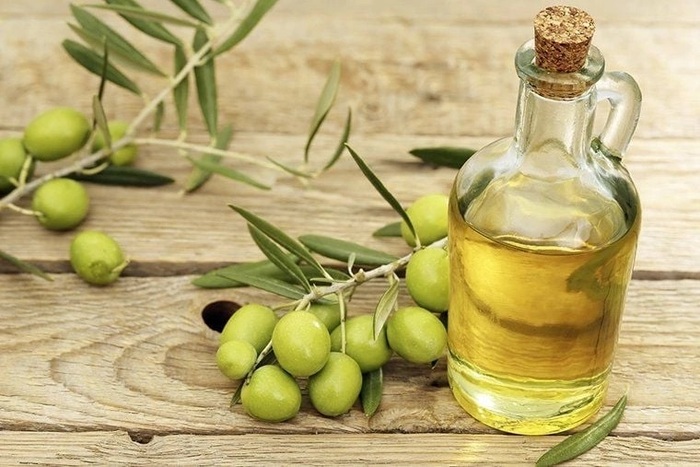
Here’s some advice for effective use:
- Always cleanse your face with a suitable facial cleanser before applying the oil to allow for better absorption.
- Use only a small amount (about 1-2 drops), gently massage in circular motions to distribute the oil evenly.
- After about 15-20 minutes, rinse your face with warm water or a gentle cleanser to completely remove any excess oil.
- Absolutely do not leave olive oil on overnight if you have oily or combination skin.
The appropriate frequency of olive oil use for different skin types:
Each skin type has a different nutrient absorption threshold, specifically:
Frequency of olive oil application for dry and very dry skin:
You can use olive oil 2-3 times a week to improve flaking and roughness. However, applying olive oil to your face daily is not recommended as the skin still needs to breathe.
Frequency of applying olive oil for oily skin and dry T-zone/oily U-zone skin:
Minimize the direct application of olive oil to the face. If you must use it, apply it only once a week or as a cleansing oil, emulsifying it thoroughly afterward.
For dry T-zone and oily U-zone skin, limit application to the oily T-zone and only moisturize the dry areas. This will help hydrate and soften the skin without causing breakouts.
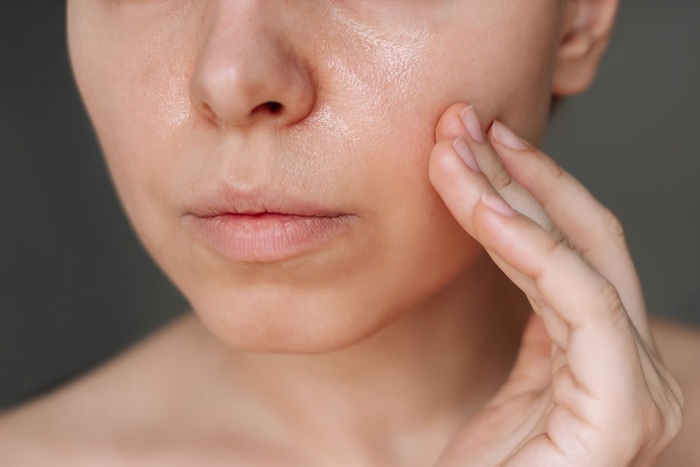
For oily skin with acne or large pores, you should absolutely avoid applying fresh olive oil to your face. You can use some cosmetics extracted from olive oil to minimize irritation.
Frequency of olive oil application for sensitive skin
Sensitive skin should only use olive oil once a week and should test it on a small area of skin for 24 hours to check for irritation. Apply only a thin layer and stop use immediately if redness, itching, or stinging occurs.
If your skin is extremely sensitive or prone to acne, you should prioritize specialized moisturizing products instead of using pure olive oil to ensure skin safety. You need to be very cautious; try other skincare methods to ensure the health of your skin.
By understanding your skin type, you will no longer have to worry about whether applying olive oil to your face daily is good or not, and you will know how to coordinate products to harmonize with your current skincare routine.
Safer and More Effective Alternatives at HBIO Clinic
If you’re looking for a more sustainable way to deeply moisturize and combat aging than simply applying natural oils, try the premium skincare services at HBIO Clinic.
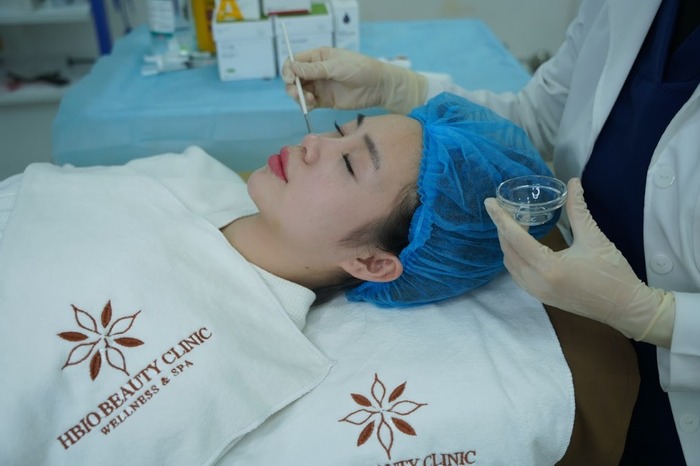
- Electrophoresis of essences: Delivers deep moisturizing active ingredients into the dermis, helping the skin become plump and smooth without clogging pores.
- Meso rejuvenation injections: Directly deliver vitamins and amino acids to the skin, providing significantly superior results compared to conventional topical application.
- Medical-grade intensive skin care: Helps deeply cleanse excess oil and dead skin cells, preventing acne formation caused by overuse of oil-based products.
Hopefully, the information above regarding whether applying olive oil to the face daily is good or not has helped you gain an objective perspective and build a safe beauty habit. If you are experiencing skin problems due to the incorrect use of natural products, please contact HBIO Clinic immediately for consultation and timely recovery!