Tiếng Việt
Filler injections are a popular non-surgical cosmetic procedure due to their quick results and minimal invasiveness. However, for mothers in this sensitive period, the question of whether or not to get filler injections while breastfeeding is a constant concern. This article from HBIO Clinic, with expert insights from Dr. Thai – a specialist with many years of experience in the cosmetic industry – will help you answer in detail whether filler injections truly affect breast milk supply and the baby’s health.
Can you get filler injections while breastfeeding?
Women who are breastfeeding are generally advised against getting filler injections during this period.
Although the main component of popular fillers today is Hyaluronic Acid (HA) – a substance naturally present in the body and considered quite safe – there are still not many comprehensive scientific studies on the safety of filler injections for breastfeeding women and infants.
Therefore, cosmetic doctors often advise mothers to be cautious.
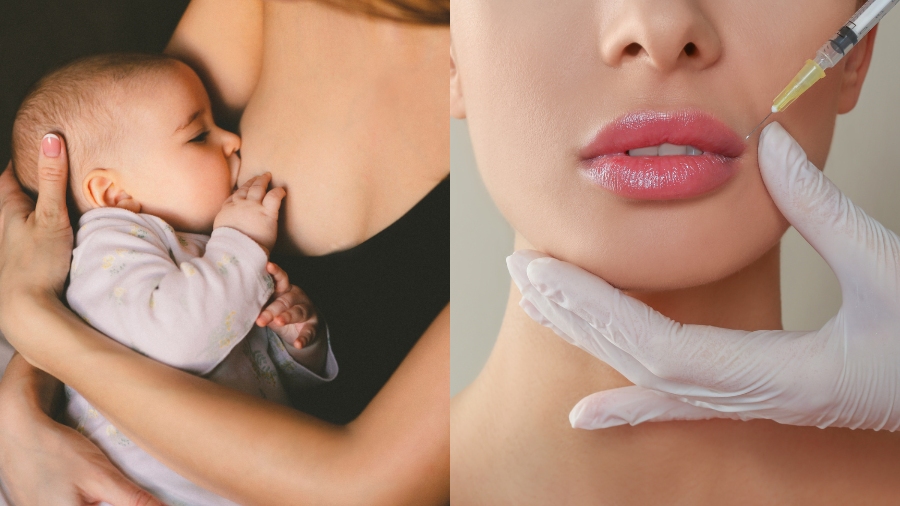
The use of anesthetics and supportive medications during filler injections can indirectly affect the quality of breast milk, negatively impacting the baby. Furthermore, side effects such as swelling, inflammation, or allergic reactions after injection can make it difficult for mothers to care for their young children. Therefore, experts recommend waiting until breastfeeding is completely stopped to ensure absolute safety for the baby and to allow the mother’s body to recover properly, resulting in the most lasting aesthetic results.
Does filler enter breast milk?
Currently, there are no scientific studies that definitively confirm that the components in fillers (usually Hyaluronic Acid – HA) can enter breast milk. However, dermatologists and cosmetic surgeons still advise breastfeeding women NOT to get filler injections.
Potential Risks of Filler Injections During Breastfeeding
According to Dr. Thai, although fillers (HA) are benign, the procedure and post-injection reactions can cause unwanted consequences for both mother and baby:
1. For the baby’s health
- Effects from supporting medications: During the injection process, doctors often use topical anesthetics or local anesthetics (such as Lidocaine). A small amount of these active ingredients can be excreted through breast milk, affecting the immature nervous system or causing the baby to cry and refuse to breastfeed.
- Risks from medications treating complications: If the injection site becomes infected or allergic, the mother will be required to use high doses of antibiotics or anti-inflammatory drugs. These medications can directly enter the breast milk, potentially causing side effects on the child’s digestive and immune systems.
2. Regarding the mother’s health and psychology
- Stronger inflammatory reaction due to hormones: After childbirth, the mother’s hormones fluctuate significantly, making the body extremely sensitive. This increases the risk of reactions such as prolonged swelling, bruising, or the formation of granulomas (filler complications) compared to normal.
- Poor aesthetic results: Because the body is focused on nourishing the baby and eliminating toxins, the filler may dissolve faster or not be properly positioned, leading to unsatisfactory aesthetic results.
- Difficulty in caring for the child: Side effects such as pain, mild fever after injection, or fatigue will make it difficult for the mother to focus on caring for the baby in the best way.
To ensure absolute safety, mothers should adhere to the principle of “Waiting for completeness.” The ideal time to have filler injections is after breastfeeding has been completely stopped. At this time, hormones have stabilized and the mother’s body has recovered, allowing the beauty treatment to be most effective and long-lasting.
How long after childbirth can filler injections be done?
Generally, the safest time to get filler injections is after breastfeeding has completely stopped and the body has stabilized, usually about 6 to 12 months after childbirth. At that time, the mother’s hormones have gradually returned to normal, her health is more stable, helping to reduce the risk of unwanted reactions and allowing the filler to be more effective.
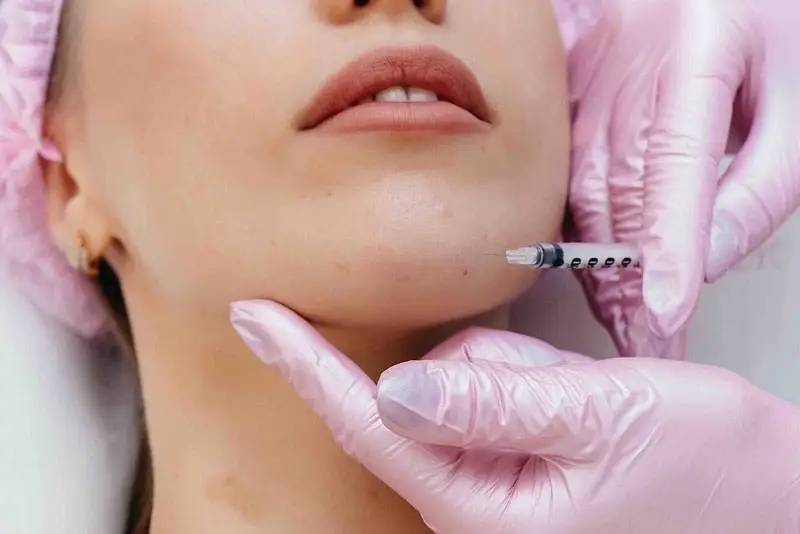
Besides the timing factor, before getting filler injections after childbirth, mothers should also consult directly with a cosmetic surgeon. The doctor will assess their health, skin condition, and related factors to determine the most suitable time. This not only ensures safety but also helps achieve more natural and long-lasting aesthetic results.
Safe and reputable filler injection clinic
If you are looking for a reliable beauty clinic, HiBio Clinic is a top choice specializing in non-surgical aesthetic medicine and high-tech skin care, helping to achieve natural beauty without surgery.
Highly qualified medical team
The entire filler injection procedure at HiBio Clinic is performed by a team of experienced doctors who directly examine and perform the procedure. The doctor will accurately assess the condition of the face to determine the appropriate amount of filler, ensuring harmonious results and minimizing risks.
Modern Facilities and Technology
The clinic boasts spacious premises, sterile treatment rooms, and state-of-the-art equipment. Beauty technologies are continuously updated, ensuring precise, gentle, and absolutely safe procedures for clients.
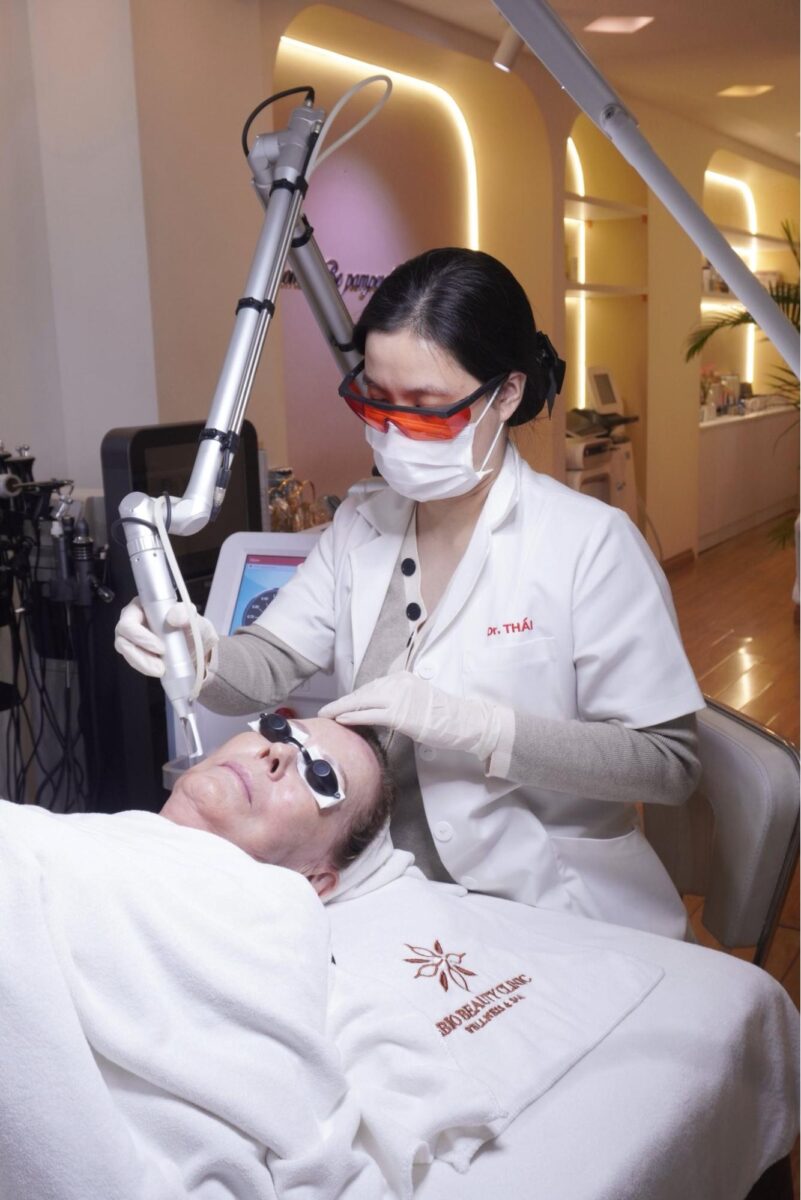
Diverse and Medically Approved Aesthetic Services
Besides fillers, HiBio Clinic also specializes in Botox, Mesotherapy, and advanced skin rejuvenation treatments. With medically approved procedures, it’s the ideal place for you to improve your appearance quickly, effectively, and lastingly.
Frequently Asked Questions (Q&A)
1. What happens if I accidentally get filler injections while breastfeeding?
Don’t panic. You should temporarily stop breastfeeding for about 24-48 hours to allow your body to eliminate any anesthetic (if any). During this time, closely monitor the injection site; if there are any unusual swelling or pain, or if your baby shows any unusual symptoms, contact a specialist immediately for assistance.
2. Are there any safe beauty alternatives to fillers for breastfeeding mothers?
During this period, you can prioritize non-invasive skincare methods such as: nutrient electrophoresis, bio-masks, or organic skin peels at HiBio Clinic. These treatments only affect the skin’s surface, do not enter the bloodstream or breast milk, so they are extremely safe and still help the skin become firm and radiant.
In short, women who are breastfeeding are generally not encouraged to get filler injections because there is insufficient research to prove absolute safety for both mother and baby. If you have a need for beauty treatments, you should consult a doctor and choose a reputable aesthetic clinic to receive advice on the most suitable time.