Tiếng Việt
Stretch marks are a concern for many people following childbirth or weight gain, as they directly affect the skin’s aesthetic appearance. Laser treatment is currently considered a modern and effective method for improving the color and texture of affected skin. Join HBIO Clinic in exploring the treatment’s mechanism, its effectiveness, and important considerations before opting for this procedure.
Causes of stretch marks
Stretch marks are a skin condition characterized by the appearance of long red, purple, or white streaks on the skin’s surface, resulting from damage to the underlying connective tissue structure.
This phenomenon typically occurs when the skin is stretched too rapidly over a short period, preventing it from adapting in time.
As the body expands quickly, collagen and elastin fibers become overstretched and eventually tear within the dermis.
Over time, as the skin structure weakens and natural collagen levels decline, the stretch marks shift from red to white, become slightly depressed, and become more difficult to repair.
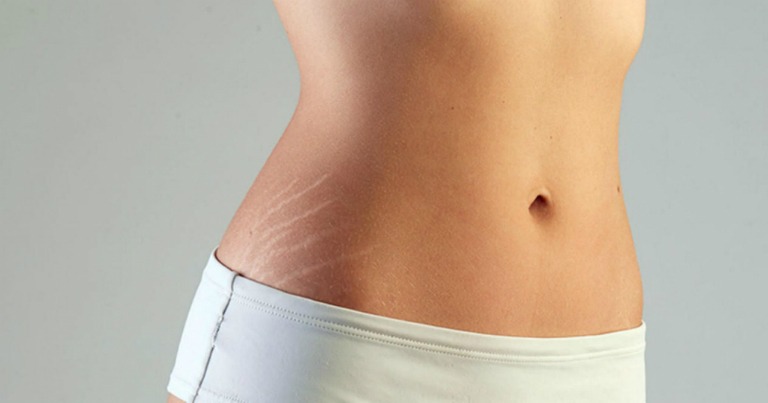
Common locations where stretch marks appear
Stretch marks can appear on various parts of the body, particularly in areas subject to significant stretching or where fat accumulates.
- Abdomen: skin stretches significantly during pregnancy or rapid weight gain.
- Thighs: stretch marks often appear on the inner and outer thighs due to fat accumulation.
- Buttocks: prone to stretch marks during sudden weight changes.
- Breasts: skin stretches rapidly during puberty or pregnancy.
- Upper arms: commonly seen in individuals experiencing rapid muscle growth or uncontrolled weight gain.
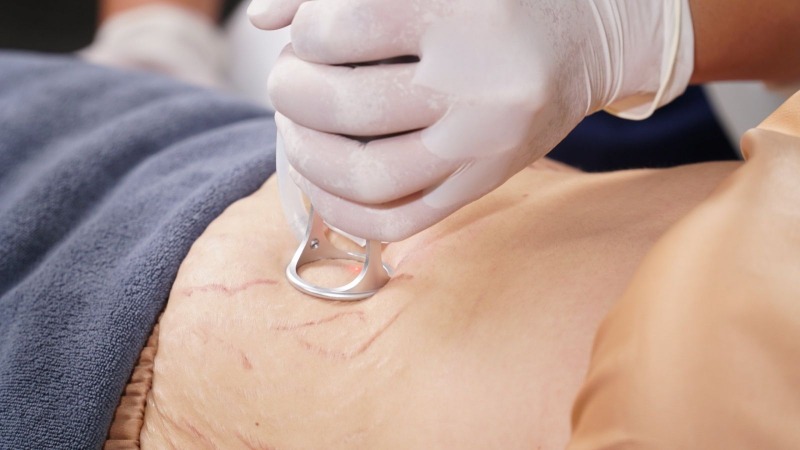
Is laser treatment for stretch marks effective?
Laser treatment for stretch marks is considered highly effective. However, the results when treating long-standing stretch marks depend on the severity and condition of the marks.
The effectiveness in improving stretch marks is relatively high
Laser treatment for stretch marks can yield an average improvement of approximately 70–90%, depending on the individual’s skin condition.
This method helps fade the discoloration of stretch marks, improves skin elasticity, and helps fill in areas of the skin that have become depressed due to collagen breakdown.
It can treat both red and white stretch marks
Laser treatment can help improve both red and white stretch marks, though the effectiveness varies depending on the type.
Red stretch marks generally respond better to treatment and require a shorter treatment period.
White stretch marks involve deeper structural changes to the collagen and a loss of skin pigmentation, making them more difficult to treat and requiring multiple sessions to achieve noticeable improvement.
Effectiveness improves at each stage
After about one or two treatment sessions, the skin typically begins to feel smoother, and the stretch marks become softer.
Upon completing the full course of treatment, the affected area can show significant improvement in evenness of tone and elasticity, with the skin surface becoming firmer over time.
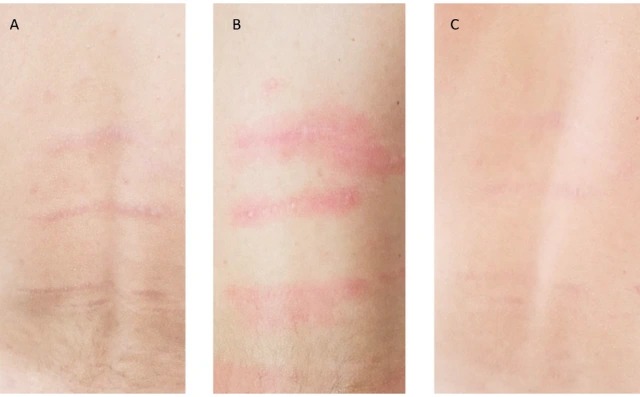
Pros and cons of laser treatment for stretch marks
Laser treatment for stretch marks involves using light energy at specific wavelengths to target the affected skin directly.
As the laser penetrates the dermis—where collagen and elastin fibers have ruptured—the body triggers its natural healing mechanisms and regenerates new skin tissue.
Below are the pros and cons of laser treatment for stretch marks to help you make an informed decision:
Advantage:
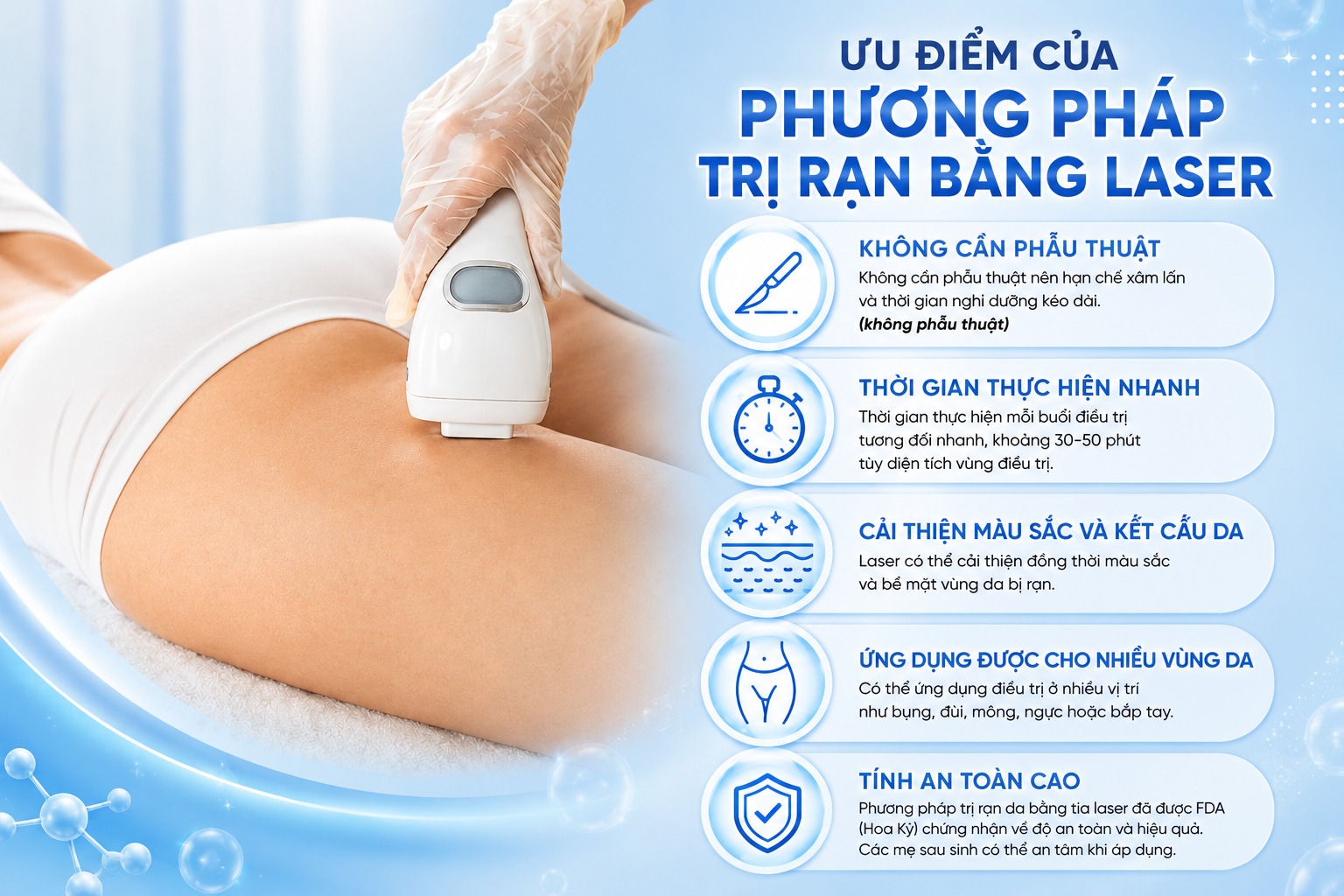
- It is a non-surgical procedure, minimizing invasiveness and eliminating the need for a lengthy recovery period.
- Each treatment session is relatively quick, lasting approximately 30–50 minutes depending on the size of the treated area.
- Laser treatment can simultaneously improve both the color and texture of the skin affected by stretch marks.
- It can be applied to various areas of the body, such as the abdomen, thighs, buttocks, breasts, or upper arms.
- Laser treatment for stretch marks is FDA-approved for safety and efficacy, offering peace of mind to postpartum mothers.
Disadvantages:
- Laser treatment cannot completely eliminate stretch marks (achieving a 70–90% reduction), particularly in the case of long-standing white stretch marks.
- Achieving significant improvement typically requires multiple sessions at a high cost; a course usually involves 3–5 sessions, priced between 1.5 and 5 million VND per session.
- Following the procedure, the treated skin may exhibit temporary redness or a stinging sensation.
Cost of laser stretch mark treatment at HBIO Clinic
The cost of laser stretch mark treatment at HBIO Clinic is determined by the severity of the stretch marks, the treatment area, and the specific laser technology best suited to the individual client.
Prices range from 1,500,000 to 5,000,000 VND per session, depending on whether the stretch marks are red or white and the personalized treatment plan prescribed by the doctor.
To obtain an accurate cost estimate and determine the number of sessions required, please visit HBIO Clinic for a direct consultation, where a doctor can assess your condition and recommend the most appropriate treatment plan.
Skincare after laser treatment for stretch marks
Proper skincare following laser treatment is crucial for rapid recovery, minimizing irritation, and maximizing the effectiveness of stretch mark reduction.
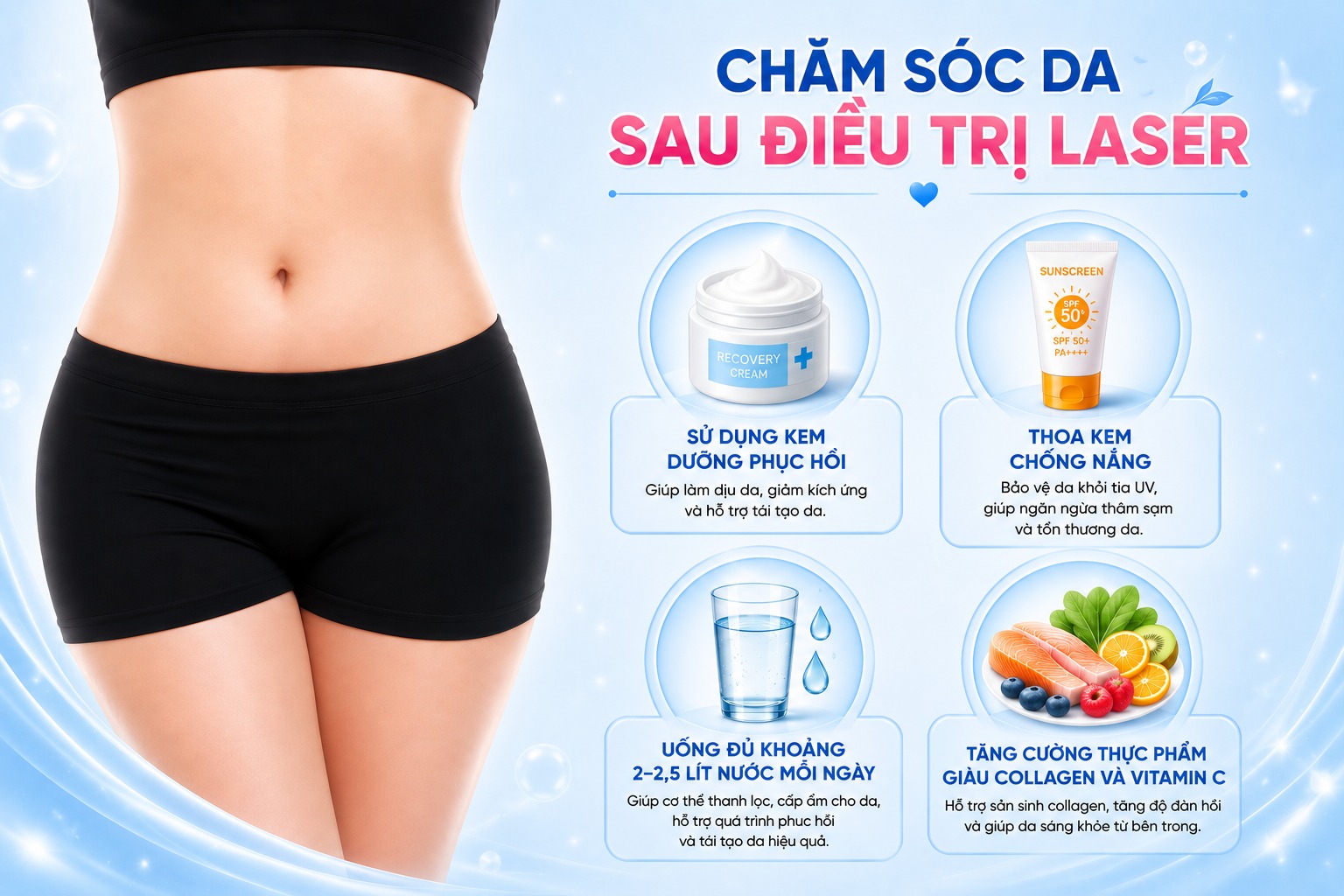
- Use a restorative moisturizer containing ingredients such as Vitamin B5, Hyaluronic Acid (HA), ceramides, or peptides to hydrate and support skin regeneration.
- Apply SPF 50+ sunscreen daily to protect the treated area from UV rays that can cause hyperpigmentation.
- Avoid exposing the treated area to water for at least three days to minimize the risk of infection and irritation.
- Wear loose-fitting clothing to reduce friction, prevent further injury, and facilitate stable skin recovery.
- Do not scratch or rub the treated area, as this can damage the skin and increase the risk of dark spots or scarring.
- Drink 2–2.5 liters of water daily to maintain hydration and support the body’s natural collagen regeneration process.
- Increase your intake of foods rich in collagen and Vitamin C—such as salmon, oranges, kiwis, tomatoes, and leafy greens—to aid skin recovery.
- Attend follow-up appointments as scheduled so the doctor can monitor your recovery progress and adjust the treatment plan if necessary.
Laser treatment for stretch marks is a relatively effective solution for improving skin condition, as it stimulates collagen regeneration and restores skin structure. However, treatment outcomes depend on the severity of the stretch marks, the technology used, and the post-treatment care regimen. If you are dealing with stretch marks and wish to develop a suitable treatment plan, you can consult the specialists at HBIO Clinic for a thorough examination and assessment.