Tiếng Việt
Are you curious about whether Ultherapy is painful? In fact, during the procedure, customers may feel numbness, tingling or warmth in some sensitive areas such as the forehead, jawline and around the eyes. However, Ultherapy does not cause severe or long-lasting pain. The objective sharing in this article from HBIO Clinic will help you eliminate concerns to be ready for the journey to regain youthful skin.
What is the Ultherapy lifting procedure?
Ultherapy is currently the world’s leading non-invasive rejuvenation solution, utilized in nearly 100 countries, including the US, the UK, South Korea, and Singapore. Backed by over 6,000 clinical studies and 50 patents, it is the only technology of its kind to receive safety clearance from both the US FDA and the European CE.
To date, more than 2 million people have placed their trust in this technology, drawn by advantages such as:
- Micro-focused ultrasound precisely targets the SMAS layer, effectively addressing sagging in the cheeks, double chin, and neck areas to reshape the face.
- Temperatures of 60–70°C stimulate natural collagen regeneration, improving elasticity and smoothing out wrinkles.
- It leaves the skin firm and luminous, reduces fine lines, and creates a radiant appearance.
- Three to four months post-treatment, the eyebrows are lifted by 1.7–1.9mm, giving the eyes a more lively, expressive look.
- It firms the skin in the chest area and effectively reduces sagging.
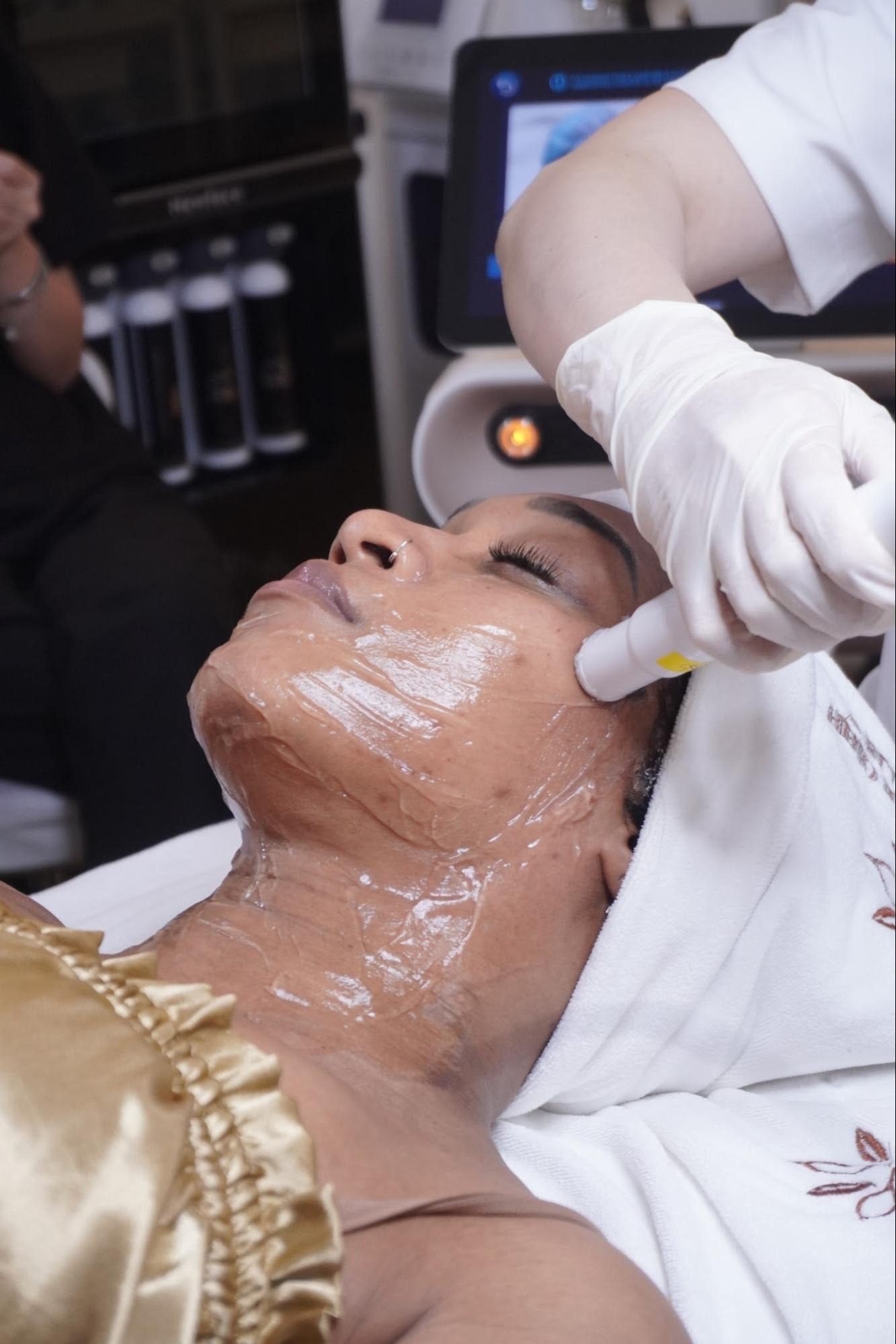
How can the feeling of discomfort be minimized?
To ensure your beauty treatment is as gentle and effective as possible, thorough preparation—both physical and mental—is essential. Below are scientifically backed methods to help you manage and minimize discomfort during the procedure:
Use medically approved topical anesthesia methods
Before the lifting procedure begins, the doctor will apply a specialized topical anesthetic to the skin for 15 to 30 minutes. This numbing cream significantly dampens nerve signal transmission, ensuring you feel relaxed and avoid excessive stinging sensations when the device begins delivering energy pulses deep into the tissues.
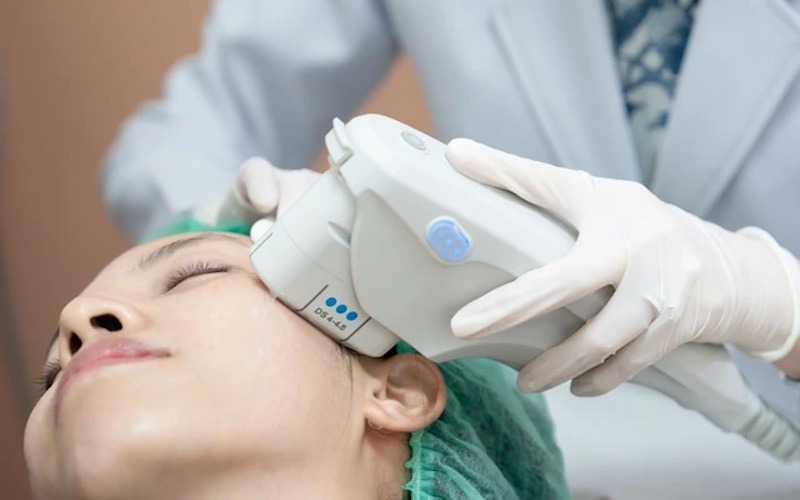
Selecting a personalized treatment regimen
Since every individual’s skin varies in thickness and pain tolerance, applying a one-size-fits-all treatment protocol is unsuitable. A specialist will conduct an assessment to adjust energy levels and the number of treatment lines tailored to specific skin areas.
Breaking the treatment down by area allows the skin time to rest and reduces stress on the tissue.
Ensure you are in good health before proceeding
A healthy body will help you better tolerate the effects of ultrasonic energy. You should ensure you have a light snack before the treatment to prevent low blood sugar and get enough sleep to avoid overloading your nervous system.
Maintaining a relaxed state of mind and avoiding stimulants—such as alcohol and caffeine—prior to the procedure can also help raise your natural pain threshold.

Consult directly with the treating physician
During the procedure, you can provide direct feedback to the doctor regarding the sensations at each treatment site.
If any area feels overly sensitive or uncomfortably hot, the doctor will immediately adjust the device settings or switch to a different area to allow the skin to recover, ensuring your experience remains comfortable throughout.
How long does the pain last after an Ultherapy treatment?
After the treatment, most clients experience only mild reactions, such as slight redness or a sensation of tenderness or tightness upon touch. These are entirely natural responses of the skin tissue to deep thermal stimulation and typically resolve quickly within 1 to 3 days.
You can immediately resume your normal daily activities without the need for an extended recovery period.
Your skin will gradually become smoother and firmer over the following weeks as the natural collagen production process takes effect.

Questions about Ultherapy
Here are the most frequently asked questions dermatologists receive from clients interested in this modern lifting procedure:
How long do the lifting results last?
The skin-tightening effects typically last between 1 and 2 years, depending on your individual physiology and skincare routine.
How many treatment sessions are required?
Generally, a single treatment session is all that is needed to achieve optimal, noticeable lifting results.
Are there any dietary restrictions?
There are no specific dietary restrictions, though it is advisable to limit alcohol and stimulants during the first few days to facilitate faster skin recovery.

What is the most suitable age?
Individuals aged 30 and older who are beginning to show signs of mild to moderate skin sagging are the ideal candidates for this treatment.
Ultimately, pain is no longer a major concern when you choose genuine Ultherapy technology and an experienced physician. A clear understanding of the procedure and proper preparation will help you achieve firm, youthful skin safely and gently, ensuring optimal aesthetic results.
If you are looking for a reputable provider, HBIO Clinic is a top choice. With a team of highly qualified physicians and genuine Ultherapy technology, the clinic guarantees a medical-standard treatment process personalized to each client’s skin condition. Here, every client receives dedicated care to maximize lifting results while ensuring absolute comfort throughout the procedure.