Tiếng Việt
Many people wonder about permanent upper lip hair removal when seeking to eliminate dark facial hair that detracts from their appearance. However, there are often concerns regarding its actual effectiveness, safety, and the longevity of the results. In this article, HBIO Clinic provides a detailed overview of permanent upper lip hair removal, explaining the underlying mechanisms and important considerations for the procedure.
What causes upper lip hair?
While upper lip hair affects both men and women, visible growth in women is primarily linked to the following factors:
- Hormonal factors: Abnormally high levels of androgens in the female body stimulate increased activity in the hair follicles of the upper lip area, causing hair to grow thicker, coarser, and darker than usual. This condition often arises during puberty, the postpartum period, or due to hormonal imbalances.
- Genetics: If a woman’s mother, sisters, or other female relatives have noticeable upper lip hair, she is more likely to experience the same issue. Genetics directly influence hair follicle density, growth rate, and hair pigmentation.
- Constitutional factors: Some women have a natural predisposition for vigorous hair growth, making thick, visible hair more likely to appear on the upper lip, even in the absence of underlying medical conditions or hormonal disorders.
- Medication or medical conditions: The use of hormonal medications, corticosteroids, or hair growth stimulants can increase upper lip hair growth in women. Additionally, medical conditions such as Polycystic Ovary Syndrome (PCOS), adrenal gland disorders, or thyroid issues can lead to abnormally dense and dark hair growth in this area.
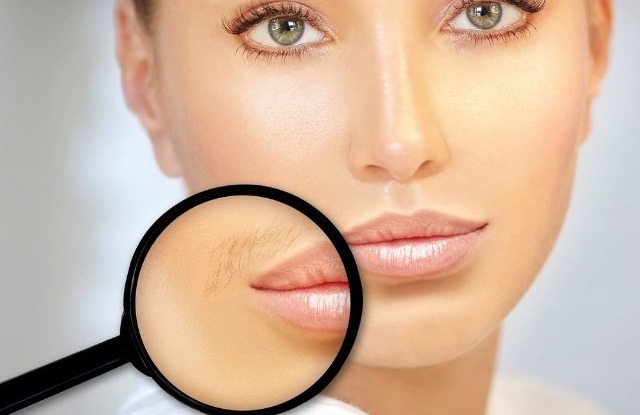
Is permanent upper lip hair removal truly possible?
Upper lip hair cannot be removed permanently in the absolute sense. Upper lip hair removal involves using light-based technology or lasers to target hair follicles directly, thereby weakening the hair’s ability to grow in that area. The device’s energy detects the melanin pigment in the hair shaft and transmits heat to the follicle root to inhibit growth. After multiple sessions, the hair grows back more slowly, becomes sparser, and gradually turns finer and softer.
In the context of upper lip hair removal, the term “permanent” refers to a significant, long-term reduction in hair density and growth rate, rather than the total, lifelong elimination of every single hair. After treatment, hair may still grow back, but it is typically much finer, lighter in color, and sparser than it was originally.
To achieve long-lasting results, it is essential to follow the prescribed treatment regimen and undergo periodic maintenance sessions as recommended by a specialist, based on your individual physiology.
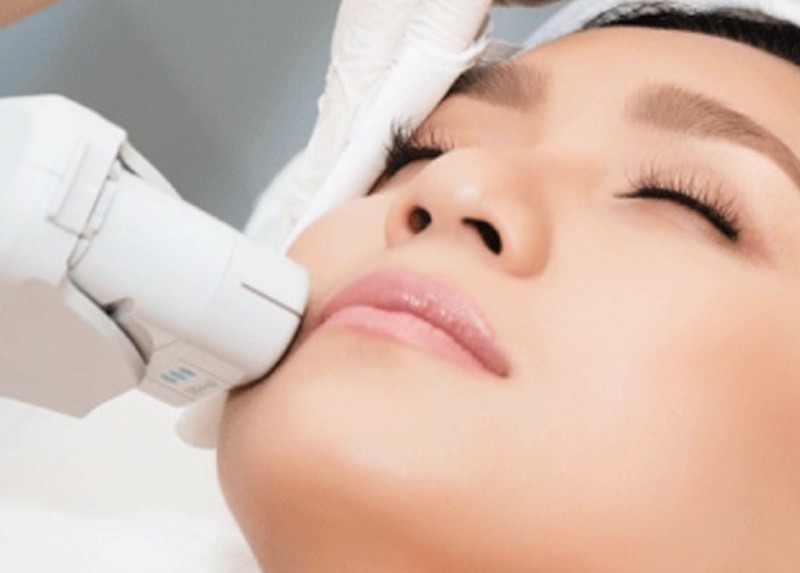
Upper Lip Hair Removal Using Modern Technology
Laser hair removal is currently a popular choice for permanent upper lip hair reduction, as it is safe, effective, and suitable for various skin types.
At HBIO Clinic, the Diode Laser upper lip hair removal procedure follows a systematic process to ensure optimal results while minimizing skin irritation:
- Step 1: Consultation: A specialist or doctor examines the density, color, and condition of the hair in the upper lip area to determine a treatment plan tailored to the client’s specific needs.
- Step 2: Cleansing: The upper lip area is thoroughly cleansed to remove dirt, excess oil, and bacteria, ensuring a safe procedure and enhancing the skin’s absorption of laser energy.
- Step 3: Hair Removal Procedure: The Diode Laser device is adjusted to the appropriate energy level (typically 810nm) and applied to the upper lip area to destroy hair follicles and inhibit regrowth.
- Step 4: Post-Treatment Care Instructions: Upon completion of the procedure, clients receive instructions on home care to facilitate skin recovery and maintain long-lasting results.

Who Should and Shouldn’t Get Upper Lip Hair Removal?
Not everyone is a suitable candidate for upper lip hair removal. Understanding who should—and shouldn’t—undergo the procedure helps ensure effective results, minimizes irritation, and protects skin health.
Who Should Consider Upper Lip Hair Removal?
- Thick, dark, and dense upper lip hair: Characterized by abundant, coarse, and deeply pigmented hair. Removal treatments can make the skin around the lips appear brighter and smoother while reducing the need for frequent shaving or plucking.
- Frequent at-home shaving or plucking: Constant shaving, plucking, or the use of depilatory creams can lead to skin irritation, folliculitis, and faster hair regrowth. Modern hair removal technologies help reduce hair density and mitigate these issues.
Who Should Avoid Upper Lip Hair Removal?
- Inflamed skin or open wounds: If the upper lip area has active acne, dermatitis, sunburn, or scratches, the condition should be treated and stabilized before undergoing hair removal. Proceeding while the skin is compromised can worsen irritation and prolong recovery time.
- Uncontrolled dermatological conditions: Individuals with eczema, psoriasis, herpes, or other active skin conditions in the upper lip area should consult a doctor before treatment. Proceeding while the skin is unstable could aggravate symptoms.
- Recent use of potent skin-sensitizing agents: Those currently using high-concentration retinoids or isotretinoin, or who have recently undergone chemical peels, laser treatments, or other invasive procedures, should not undergo hair removal immediately. You should only proceed once the skin has fully recovered and after consulting a doctor or specialist to ensure safety.
Diode Laser Upper Lip Hair Removal Costs at HBIO Clinic
The cost for permanent upper lip hair removal using Diode Laser at HBIO Clinic typically ranges from 500,000 to 1,500,000 VND per treatment session.
To achieve optimal and long-lasting hair reduction, clients usually need to complete a course of 4 to 6 sessions. Intervals between sessions are typically 4 to 6 weeks to ensure the laser targets the hair follicles during the correct growth phase.
In addition to individual sessions, HBIO Clinic often offers special promotions or cost-saving packages for clients who sign up for long-term treatment plans. Seasonal promotions or combo deals covering multiple treatment areas can also significantly reduce overall costs.
Frequently Asked Questions About Permanent Upper Lip Hair Removal
Below are common questions clients ask when researching permanent upper lip hair removal, along with answers from HBIO Clinic experts.
Is permanent upper lip hair removal painful?
Thanks to modern laser technology integrated with a cooling system, you will experience only a slight stinging sensation or mild warmth on the skin. Most clients can undergo the procedure without the need for anesthesia.
How many sessions are required for upper lip hair removal?
Typically, you need about 6 to 10 sessions to see noticeable results, depending on hair density, your body’s physiology, and the specific hair removal technology used. Sessions are usually spaced 4 to 6 weeks apart to target the hair growth cycle effectively and ensure optimal results.
What should I avoid after upper lip hair removal?
Since the skin on the upper lip is more sensitive after the procedure, you should avoid shaving, plucking, or waxing the area for about two weeks. You should also limit the use of cosmetics containing acids or active treatment ingredients. Avoid exposing the upper lip area to hot water, steam, or intense sunlight during the first 24 hours.
Does upper lip hair removal make the skin look brighter?
The skin tone may appear brighter than before. Once dark hairs are removed and follicular inflammation subsides, the skin around the upper lip often looks more even-toned, radiant, and smoother.
Permanent upper lip hair removal is a modern cosmetic solution that significantly improves the appearance of upper lip hair, resulting in smoother skin and a more balanced facial look when performed correctly. Choosing the right technology can help maintain long-lasting results and significantly reduce hair regrowth density.