Tiếng Việt

Post-acne redness and dark spots are common issues that lead to an uneven skin tone, affecting both one’s appearance and self-confidence. Without proper care, these marks can persist, dulling the skin’s natural radiance. In this article, HBIO Clinic shares effective ways to address and improve post-acne redness and dark spots.
Categorizing Post-Acne Redness and Dark Spots
Post-acne marks can manifest in various forms, depending on the severity of the skin damage and the changes that have occurred. Here are three common types to help you better identify them:
- Post-inflammatory hyperpigmentation: The affected area becomes darker – often appearing brown or dark brown – due to an increase in melanin production. This typically occurs following inflammatory acne or when the skin undergoes significant stress during the healing process.
- Post-inflammatory hypopigmentation: The damaged area appears lighter than the surrounding skin because the ability to produce melanin has been impaired. If the damage reaches deeper layers of the skin, scar tissue may form, resulting in an uneven skin tone.
- Post-acne erythema: After acne has cleared, the skin may retain pink or red patches caused by the dilation or alteration of superficial capillaries. This is commonly seen on the cheeks and in areas previously affected by inflammatory acne.
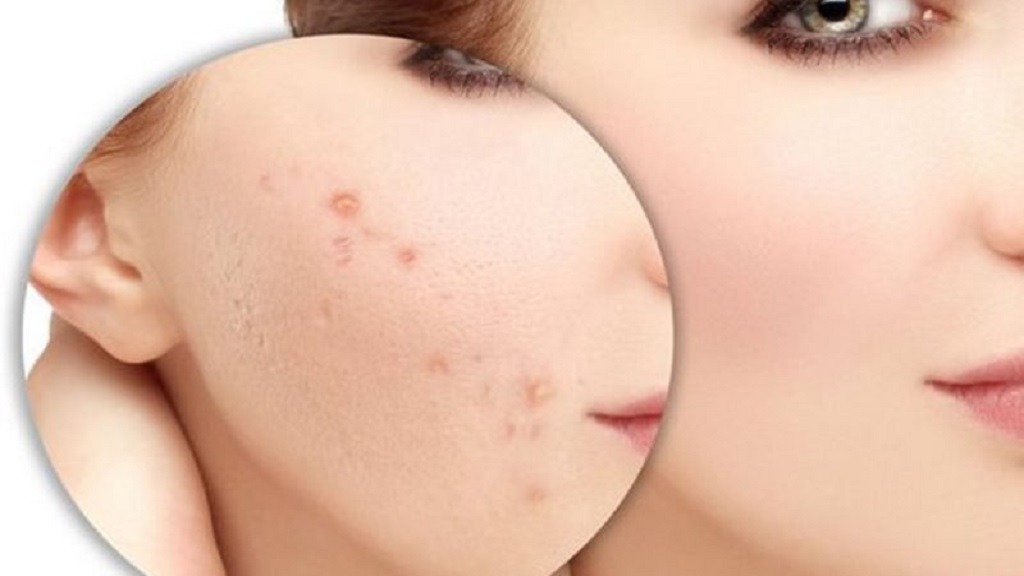
How long does post-acne redness take to fade? Will it go away on its own?
Post-acne redness typically fades over a period ranging from a few weeks to 3 – 6 months, depending on an individual’s skin, the severity of the inflammation, and their skincare routine. If the damage is deep or the skin is frequently exposed to sunlight, this condition may persist longer.
Post-acne redness can resolve on its own, provided the skin is properly cared for and protected from UV rays. However, if the redness persists for several months, you should consult a reputable spa or dermatology clinic to explore appropriate treatment options.
4 Effective Ways to Treat Post-Acne Redness
There are various methods to help diminish redness and support skin recovery after acne. Below are 4 approaches for treating post-acne redness that you can consider to find the best solution for your skin condition:
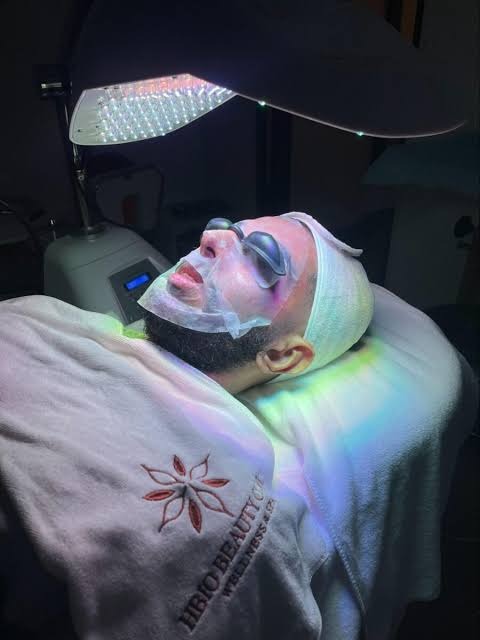
Light-based Therapies
Light-based technologies, such as Intense Pulsed Light (IPL) or vascular lasers (e.g., Pulsed Dye Laser – PDL), use light energy to target small blood vessels beneath the skin, helping to reduce redness and improve skin tone following acne. The specific method chosen depends on your skin condition and must be performed by a qualified professional.
Advantages and Effectiveness:
- Effectiveness: Can reduce redness by approximately 30 – 60% per treatment course, depending on the technology used and the individual’s skin.
- Timeline: Skin may begin to show improvement within 7 – 14 days; typically, 2 – 4 sessions are required.
- Cost: Higher compared to topical skincare products.
Chemical Peels
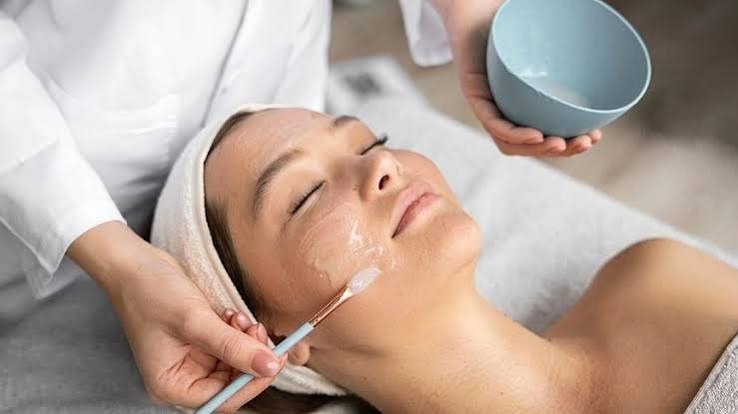
Chemical peels utilize active ingredients – such as mandelic or glycolic acid at appropriate concentrations – to remove dead skin cells from the surface, promote skin regeneration, and improve post-acne pigmentation.
This method is better suited for addressing brown-toned discoloration (hyperpigmentation); its effectiveness for red-toned marks depends on the underlying cause and the specific type of peel used.
Advantages and Efficacy:
- Efficacy: Can improve uneven skin tone by approximately 20 – 40% following a treatment course.
- Recovery Time: Skin typically recovers within 3 – 7 days after a superficial peel; visible results generally become more apparent after 3–6 weeks.
- Cost: Low to moderate compared to laser treatments, depending on the type of peel.
Mesotherapy
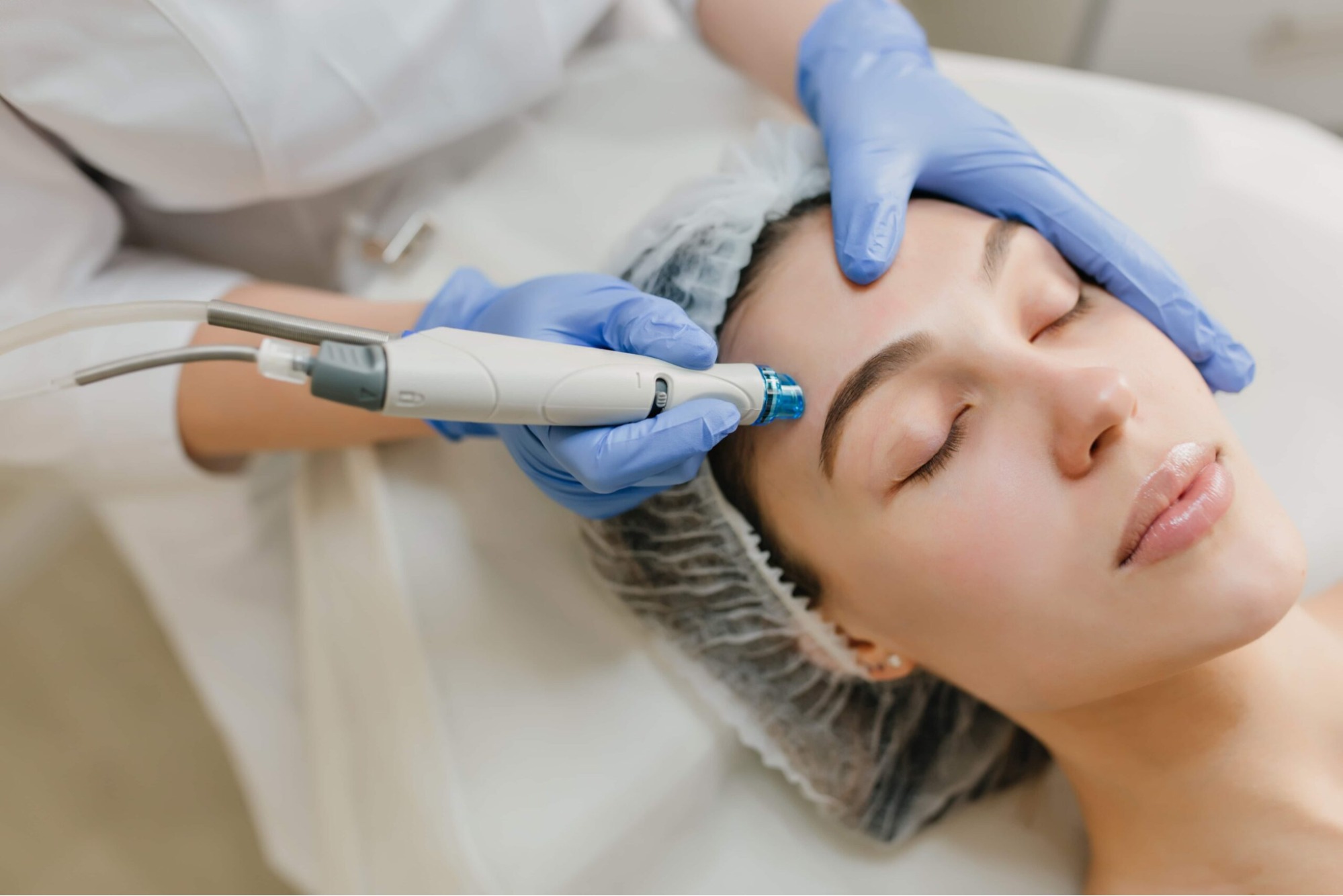
Mesotherapy is a procedure that involves delivering active ingredients into the superficial layers of the skin via micro-injections, aimed at addressing various skin concerns.
Its effectiveness in treating post-acne redness depends on the specific ingredients used; it is not a standard, universal treatment for all cases of post-acne erythema.
Pros and Efficacy:
- Efficacy: Varies based on the active ingredients used; there is no standardized rate of reduction for redness.
- Recovery time: Redness or bruising at the injection sites typically subsides within 2 – 7 days.
- Cost: Moderate to high; generally charged on a per-session basis.
Salicylic acid
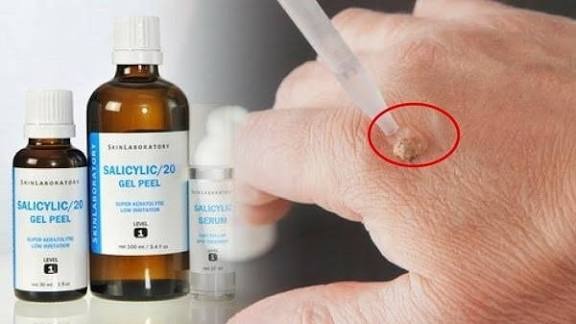
Salicylic acid (BHA) is an oil-soluble active ingredient that helps cleanse pores, reduce congestion, and assist in controlling the development of new acne. While it can help limit the factors that lead to recurring breakouts, it does not directly address the capillaries that cause post-acne redness (erythema).
Benefits and efficacy:
- Efficacy: Can improve acne and pore congestion after 4 – 8 weeks of consistent use.
- Timeline: It typically takes 6–8 weeks to evaluate initial results.
A Trusted, High-Quality Destination for Treating Post-Acne Redness
Addressing post-acne redness requires identifying the underlying cause to select the most effective treatment approach. At HBIO Clinic, clients receive personalized treatment plans that integrate advanced technology and modern equipment with skincare solutions tailored to their specific needs.
Here are several reasons to consider HBIO Clinic for addressing post-acne redness:
- Utilization of advanced light-based technologies: We offer treatments such as IPL or vascular lasers to help improve post-acne erythema (redness).
- A diverse range of skincare modalities: Depending on your skin condition and treatment goals, we may incorporate options such as chemical peels, mesotherapy, or targeted active ingredients.
- Professional assessment and personalized treatment planning: We evaluate the extent of skin damage before recommending a course of action, ensuring that treatments are customized rather than using a “one-size-fits-all” approach.
- Post-treatment guidance and follow-up: We assist clients in developing an appropriate aftercare routine, including proper moisturizing and sun protection.
- A strong focus on safety: We provide clear information regarding the benefits, limitations, and potential risks – such as irritation – associated with each treatment, ensuring clients are fully informed before making a decision.

Frequently Asked Questions
Below are some common questions regarding the care and treatment of post-acne redness. The answers provided will help you choose the most suitable approach:
Can post-acne redness turn into dark, brownish-black spots?
YES. Post-acne redness can be accompanied by – or evolve into – hyperpigmentation (brown or black spots) due to inflammation and exposure to UV rays. It is essential to use adequate sun protection to minimize this risk.
Should I exfoliate when dealing with post-acne redness?
YES. You may exfoliate gently once your skin has stabilized and is no longer irritated or suffering from open wounds. Avoid over-exfoliating, as this can prolong the redness.
Can sensitive skin be treated for post-acne redness?
YES. Sensitive skin can indeed be treated for post-acne redness, provided the chosen method is appropriate for your specific skin condition. It is recommended to consult with a dermatologist or a reputable spa to receive professional advice and minimize the risk of irritation.
We hope this article has provided a clearer understanding of the causes of post-acne redness and how to effectively address it. Stay consistent with a proper daily skincare routine to restore a healthy, even-toned complexion.