Tiếng Việt
Have you undergone specialized skin treatments but are unsure of the correct aftercare routine? Following intensive procedures, the skin becomes extremely sensitive and requires a scientifically sound recovery regimen. In the section below, HBIO Clinic guides you through the essential steps of cleansing, hydrating, and protecting your skin to maintain optimal treatment results.
The harmful effects of treatment overuse or improper aftercare
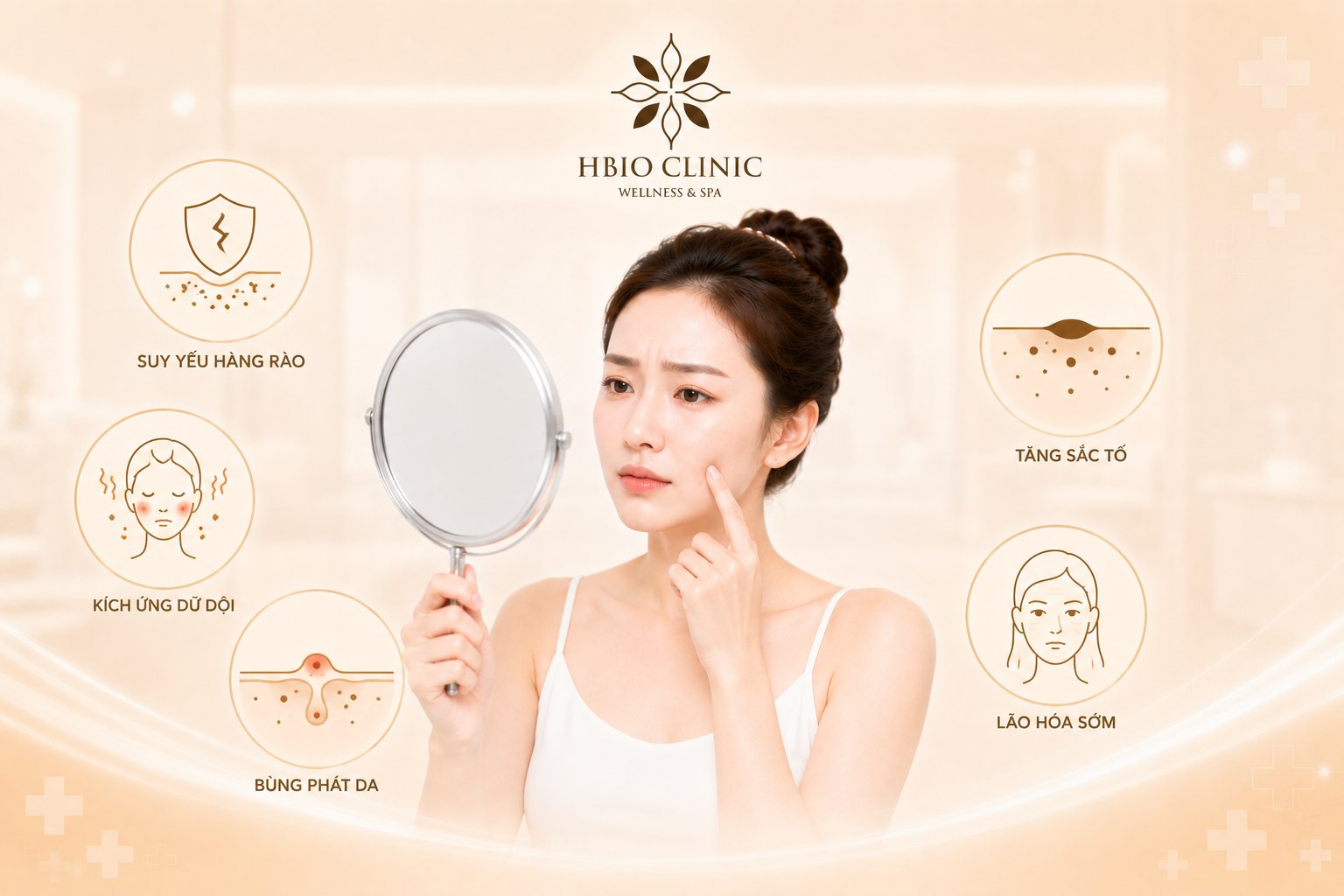
Overusing potent active ingredients or following an incorrect skincare routine can overwhelm the skin with nutrients and cause severe damage. Common consequences include:
- Compromised protective barrier: The natural lipid barrier is eroded, causing the skin to lose its ability to defend itself against dirt, bacteria, and UV rays.
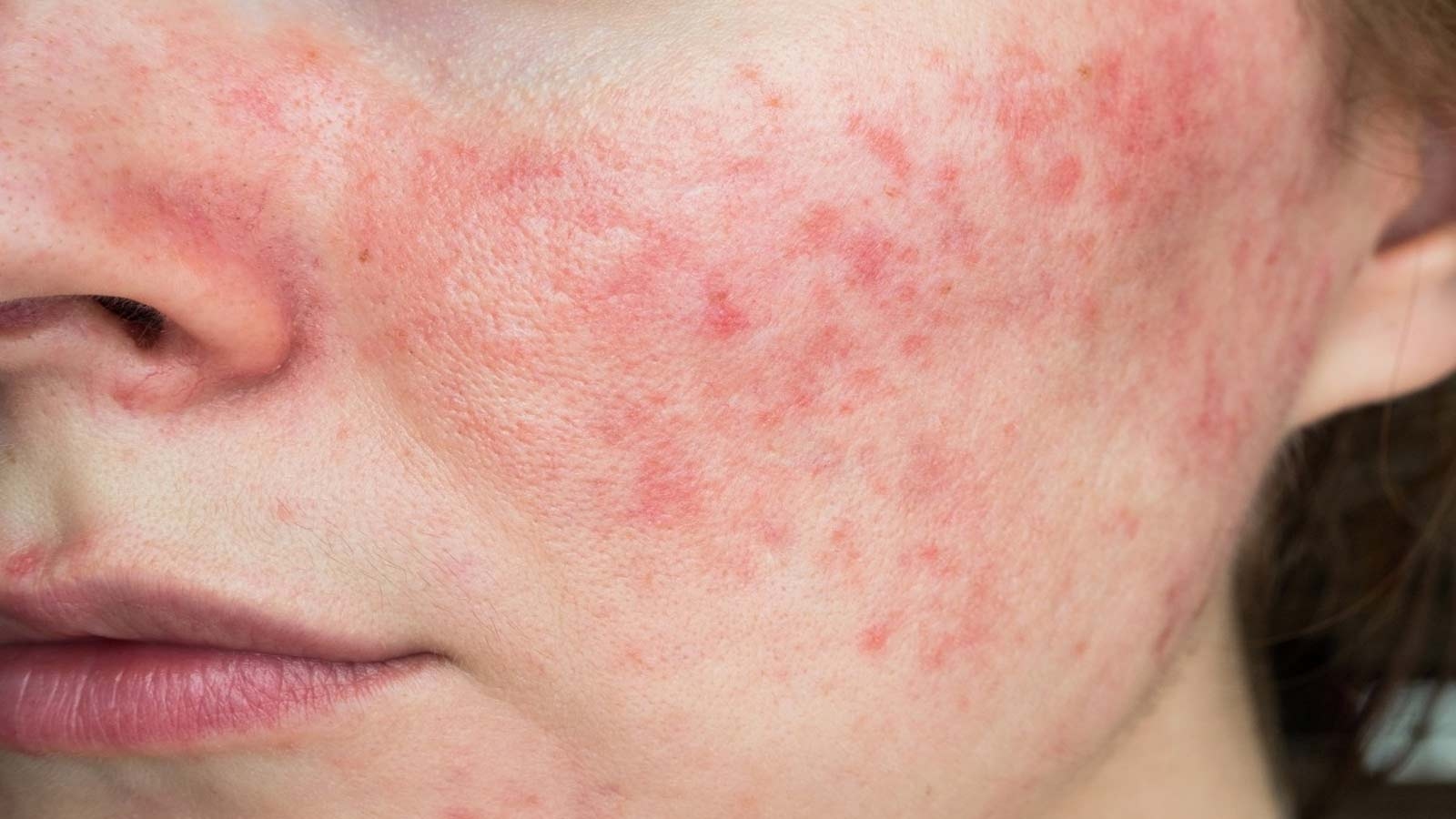
- Severe irritation: The skin experiences redness, burning sensations, itching, or persistent stinging upon contact with skincare products.
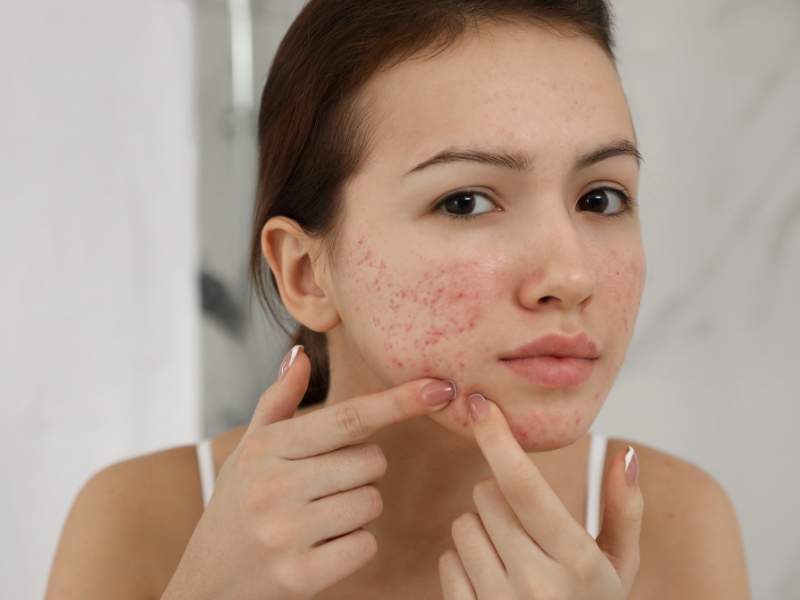
- Skin flare-ups: Inflammatory acne and clogged pores trigger breakouts, while melasma or freckles may darken in intensity.
- Hyperpigmentation: Without adequate protection, the skin is prone to dark spots and discoloration, resulting in an uneven, unsightly complexion.
- Premature aging: Chemical overuse disrupts the skin’s structure, leading to a loss of elasticity, wrinkling, and a rougher texture.
Safe Skincare After Treatments
Skin that has undergone intensive treatments requires care similar to that of a patient undergoing medical therapy. To maximize the results of the procedure, you should follow these guidelines:
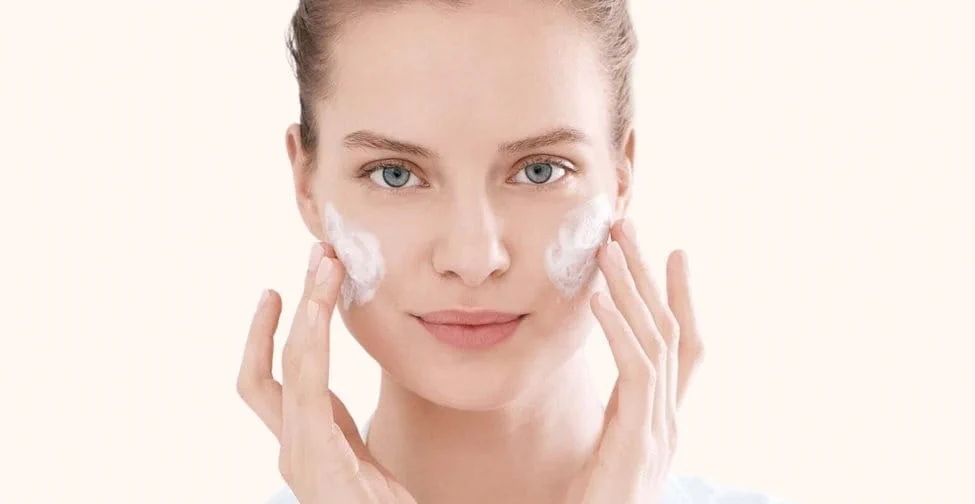
1. Gentle Cleansing
Cleansing is crucial for removing dirt, but post-treatment skin is highly vulnerable. Opt for gentle cleansers specifically formulated for sensitive skin. Avoid products with harsh cleansing agents, as they can leave the skin feeling excessively dry, tight, or irritated.
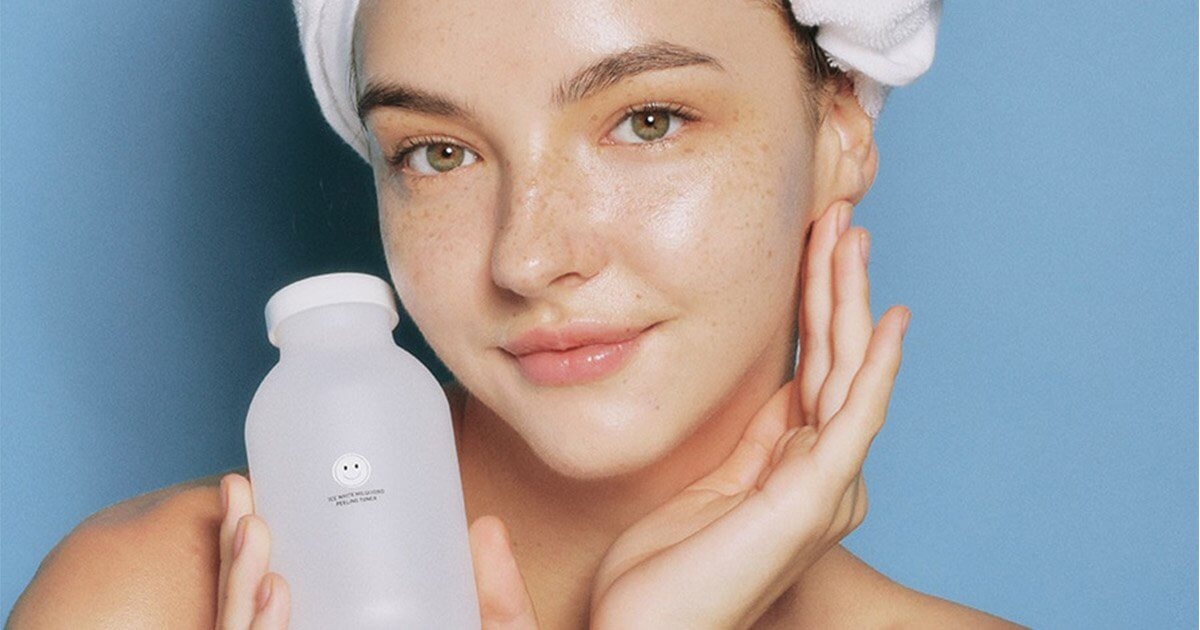
2. Use a Balancing Toner
At this stage, toner serves not only to remove residual impurities but also to balance the skin’s pH, creating an ideal environment for natural recovery.
It acts as an excellent preparatory step, helping subsequent skincare products penetrate more effectively.
3. Hydration
Moisture is the best remedy for relieving dryness and flaking. Prioritize products containing Hyaluronic Acid, Glycerin, or shea butter to create a moisture-locking barrier, keeping the skin surface plump and supple.
4. Prioritize restorative products
Look for healing active ingredients such as Peptides and Niacinamide (Vitamin B3) to stimulate skin regeneration. Vitamin B5 (Panthenol) and Centella Asiatica extract are also ideal ingredients for soothing redness and reducing stinging sensations.
Be sure to avoid products containing alcohol, fragrances, or artificial colorants.
5. Ensure absolute protection with sunscreen
UV rays are the number one enemy of skin following a treatment. Vulnerable skin is highly susceptible to dark spots and freckles if exposed to the sun without protection. Opt for a broad-spectrum sunscreen with an SPF of 30 or higher to provide optimal shielding for your skin during this critical recovery phase.
6. Avoid harsh cleansers
During this period, discontinue the use of any soaps or skincare products with strong antiseptic properties. Instead, rely on products with pure, gentle formulations to preserve the skin’s natural oils and facilitate the safest possible regeneration process.
Medically-backed skincare steps following a treatment
To help your skin quickly regain its balance, you must strictly adhere to the following intensive recovery regimen:
- Step 1: Gentle cleansing – Prioritize non-foaming cleansers with a pH of 5.0–5.5. Avoid products containing harsh soaps that cause skin dryness or tightness.
- Step 2: Balancing moisture – Use a mild, alcohol-free toner to restore the skin’s natural pH and alleviate stinging sensations.
- Step 3: Focus on recovery – Use products containing “gold-standard” active ingredients—such as Vitamin B5, Centella Asiatica (cica), Ceramides, or Peptides—to rebuild the skin barrier.
- Step 4: Locking in moisture – Apply a gel or cream moisturizer to prevent transepidermal water loss and keep the skin surface hydrated.
- Step 5: Maximum sun protection – Use a broad-spectrum sunscreen with SPF 30 or higher. This is a mandatory step to protect the skin from harmful UV rays.
Important notes to prevent skin damage after treatment
Adopting healthy daily habits will accelerate the healing process. Keep the following points in mind to avoid further skin damage:
- Stop exfoliating: Absolutely do not use physical scrubs (with granules) or strong chemical exfoliants while the skin is peeling.
- Allow natural recovery: Do not pick at or peel off flaking skin with your fingers, as this can easily lead to scarring and dark spots.
- Control temperature: Avoid saunas, hot showers, or strenuous sports activities that cause heavy sweating during the first 48 hours post-treatment.
- Limit makeup: Allow your skin to breathe; avoid heavy makeup for the first 3–5 days to prevent clogging pores. Handle gently: Always use a soft towel and gently pat—rather than vigorously rubbing—when drying your face to protect the delicate, newly forming skin cells.

Frequently Asked Questions
Post-treatment skincare often raises important questions for users. Below are detailed answers to the most common inquiries to help you care for your skin more effectively:
How often should I use a face mask after treatment?
You should use a face mask no more than once a day, prioritizing gentle, restorative types. For sheet masks, the ideal frequency is 2–3 times a week to avoid overloading the skin with nutrients.
When can I resume using potent active ingredients?
You should wait until all redness, peeling, and stinging sensations have completely subsided. Typically, the skin needs 1–2 weeks to stabilize before you return to your previous treatment routine.
Should I use alcohol-based toner on my skin after treatment?
Absolutely not. The alcohol in such toners can cause dryness, burning, and severe irritation. Instead, opt for water-based, alcohol-free toners to soothe your skin safely.
Can I use scented moisturizers?
It is not recommended. Fragrances are among the ingredients most likely to cause allergic reactions in compromised skin. Opt for “fragrance-free” skincare products to ensure complete safety for your skin following the procedure.
What should I do if my skin suddenly becomes red and swollen after the treatment?
Discontinue the use of all skincare products; simply wash with cool water and apply a gentle cold compress. If the redness and swelling do not subside within 24 hours, consult a dermatologist for timely treatment.
For optimal results and safety, undergo your treatments at HBIO Clinic. With a team of experienced doctors, modern facilities, and personalized treatment protocols, HBIO Clinic is committed to providing advanced skincare solutions that help you quickly achieve healthy, radiant skin and renewed confidence.
Post-treatment skincare requires patience and a clear understanding of your skin. Always pay attention to how your skin reacts; should any unusual symptoms arise, do not hesitate to seek advice from a dermatologist to ensure the best possible outcome.