Tiếng Việt
Many new mothers find their self-confidence shaken when looking in the mirror and noticing a rough, uneven skin texture. Sudden hormonal shifts, combined with the lack of sleep from caring for a newborn, are the primary reasons why the skin loses its natural smoothness. In this article, HBIO Clinic will help you understand the underlying causes and discover effective, safe ways to restore your skin from the comfort of your own home.
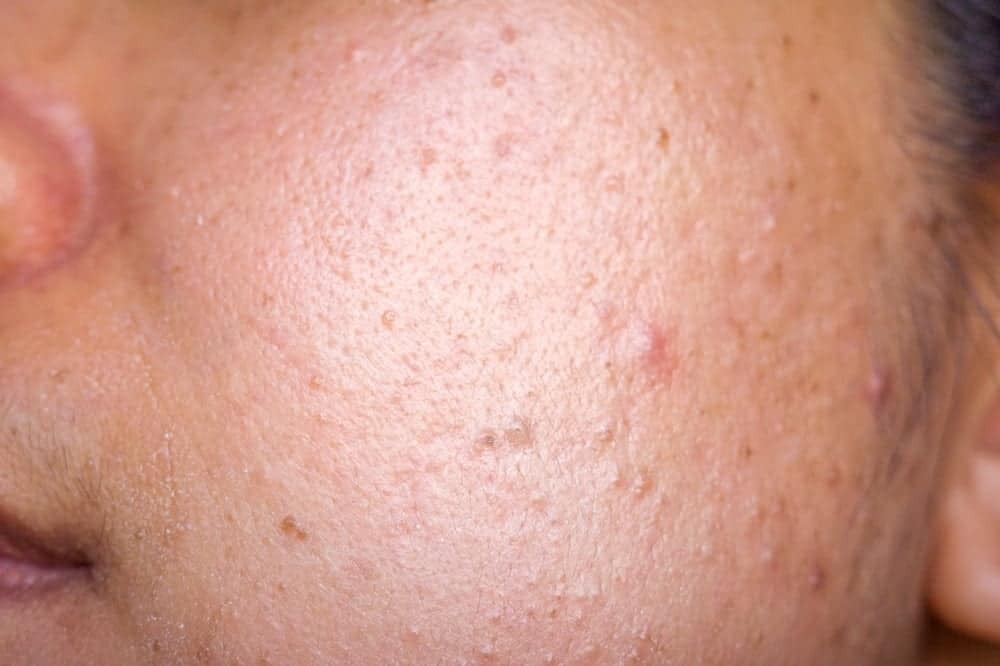
Signs of rough skin texture after childbirth
Following childbirth, a mother’s skin often undergoes several negative changes due to physiological disruptions. Recognizing these signs early will allow you to take timely action to care for and restore your skin:
- Rough skin surface: The skin feels coarse, dry, and lacks its usual smoothness to the touch.
- Presence of hidden (subcutaneous) acne and tiny bumps: Breakouts scattered across the forehead, cheekbones, and chin lead to an uneven skin tone.
- Enlarged pores: The accumulation of sebum, combined with dead skin cells, causes pores to become visibly enlarged.
- Flaking and dullness: The skin frequently develops dry, flaky patches and loses its natural, healthy glow.
Causes of Rough, Uneven Skin in New Mothers After Childbirth
The deterioration of skin condition following childbirth does not happen by chance; rather, it stems from a combination of several factors. Understanding the root causes will help new mothers find the most effective solutions:
- Hormonal fluctuations: A sudden drop in estrogen levels disrupts the skin’s natural regeneration process.
- Sleep deprivation and stress: An irregular schedule – driven by the demands of caring for a newborn—can break down collagen structures, accelerating skin aging.
- Imbalanced nutrition: Overly restrictive dieting or prioritizing nutrients solely for breast milk production can leave the skin deficient in essential vitamins.
- Neglecting a skincare routine: Being overwhelmed by new-parent responsibilities often leads mothers to skip basic steps like cleansing and moisturizing.
Will rough, uneven skin after childbirth resolve on its own?
The answer is NO – it will not fully resolve on its own without proper care. While hormone levels may gradually rebalance over time, surface-level skin damage – such as the accumulation of dead skin cells or prolonged dehydration – will persist.
New mothers should take a proactive approach by establishing a safe skincare routine to help their skin quickly regain its original smoothness.
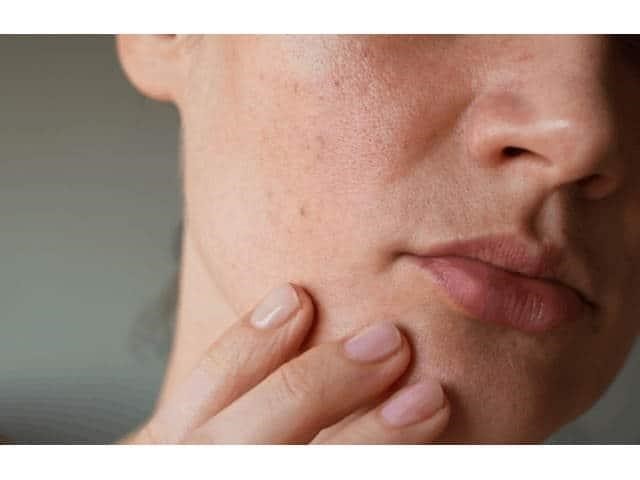
A Safe Skincare Routine for Restoring Rough Postpartum Skin
To quickly regain smooth skin while ensuring complete safety for your baby, new mothers should follow a dedicated postpartum skincare routine. The following essential steps will help effectively revitalize your skin:
- Step 1: Gentle Cleansing – Use a facial cleanser with a pH of 5.5 and mild, skin-friendly ingredients to remove impurities without causing dryness.
- Step 2: Intensive Hydration – Apply a serum or moisturizer containing Hyaluronic Acid or Vitamin B5 to restore the skin’s protective barrier.
- Step 3: Regular Exfoliation – Exfoliate 1 – 2 times per week using a gentle, natural-based product to remove rough skin texture and unclog pores.
- Step 4: Sun Protection – Apply a physical sunscreen – safe for use while breastfeeding – whenever you go outdoors to protect your skin from the harmful effects of UV rays.
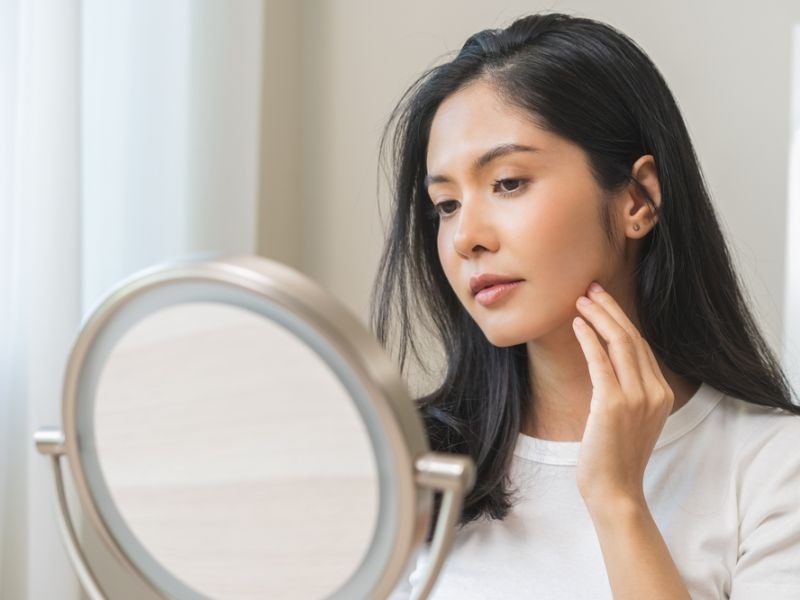
Gentle, traditional home remedies for improving rough, uneven skin
In addition to commercial skincare products, using traditional remedies based on natural ingredients offers a safe and cost-effective solution. Mothers can try these simple, easy-to-prepare recipes at home:
Oatmeal and Unsweetened Fresh Milk Mask
- Benefits: Provides gentle physical exfoliation, softens rough skin, reduces redness, and delivers an instant moisture boost for a smoother skin surface.
- Frequency: 2–3 times per week.
Oatmeal is rich in avenanthramides and B-group vitamins, which help to instantly soothe rough skin. When combined with unsweetened fresh milk, this mixture provides deep hydration, leaving the skin naturally smooth.
- Step 1: Mix 2 tablespoons of oatmeal with 3 tablespoons of unsweetened fresh milk until a thick, paste-like consistency is formed.
- Step 2: Cleanse your face, apply the mixture evenly, and gently massage in circular motions for 1 – 2 minutes.
- Step 3: Relax for about 15 minutes, then rinse thoroughly with warm water.

Turmeric Starch and Honey Mask
- Benefits: Anti-inflammatory, helps dry out mild, deep-seated (underground) acne, fades post-acne dark spots, and promotes a naturally bright, even-toned complexion.
- Frequency: Twice a week.
Honey offers excellent moisturizing and antibacterial properties; combined with the active compound curcumin found in turmeric starch, it effectively soothes deep-seated acne. This is an ideal solution for improving skin pigmentation and restoring radiance to dull skin, especially for postpartum mothers.
- Step 1: Mix 1 tablespoon of pure turmeric starch with 1 tablespoon of natural wild honey until a paste forms.
- Step 2: Cleanse your face thoroughly, then use a dedicated brush to apply a thin, even layer over your entire face.
- Step 3: Leave the mask on for 10 – 15 minutes, then rinse off with cool water to help tighten pores.
Natural Herbal Facial Steam
- Benefits: Promotes blood circulation for a healthy, rosy glow; opens pores to release excess oil and flush out toxins; and enhances the skin’s ability to absorb nutrients from subsequent skincare steps.
- Frequency: 1 – 2 times per week.
Herbal facial steaming gently opens the pores, allowing for the release of accumulated sebum and dead skin cells. The warmth also stimulates blood circulation, giving the skin a healthy, rosy appearance and making it more receptive to skincare products.
- Step 1: Bring 1 liter of water to a boil with a few crushed lemongrass stalks, a handful of perilla leaves, and a few slices of fresh lemon.
- Step 2: Drape a towel over your head and position your face 20 – 30 cm away from the bowl of water to avoid skin irritation. Step 3: Steam your face for 7–10 minutes to relax, then pat dry with a soft towel and proceed with your moisturizing routine.

Where should new mothers go for spa treatments to address rough, uneven skin?
If at-home skincare routines are time-consuming yet fail to yield noticeable results, seeking professional aesthetic care is an ideal solution. A medical-grade skincare treatment can help new mothers accelerate the recovery of rough, textured skin.
HBIO Clinic stands out as a premier, trusted destination for new mothers, offering several key advantages:
- Safe, medical-standard treatments: Procedures are specifically designed for postpartum women, ensuring they are gentle and have no impact on breast milk quality.
- Advanced restorative technology: Techniques such as nutrient electrophoresis and bio-light therapy are used to rapidly smooth the skin’s surface.
- Experienced team of experts: Clients receive professional consultations and personalized skincare regimens tailored to their specific skin condition.
- Premium, relaxing environment: A space where new mothers can enjoy beauty treatments while also relieving the stress that comes with the demanding task of caring for a baby.

Frequently Asked Questions About Rough Skin After Childbirth
Below are detailed answers to the most common questions from new mothers seeking to restore smooth, healthy skin after giving birth:
How long after childbirth can a new mother start using skincare products again?
You can begin using basic cleansing and moisturizing products about 2–3 weeks after delivery; prioritize items with gentle, skin-friendly ingredients.
Does having rough skin on the face affect breastfeeding?
This condition is purely a dermatological issue linked to hormonal changes and has absolutely no impact on the quality of breast milk.
Can breastfeeding mothers use skincare products containing Niacinamide?
Niacinamide at low concentrations (below 5%) is very safe and helps restore the skin’s protective barrier – an excellent benefit for nursing mothers.
Can excessive natural facial steaming cause the skin to become dry and rough?
Yes, over-steaming leads to skin dehydration; it is recommended to steam your face no more than 1 – 2 times per week.
Can breastfeeding mothers undergo intensive treatments at HBIO Clinic?
HBIO Clinic offers specialized, non-invasive recovery treatments that are completely safe for mothers who are breastfeeding.
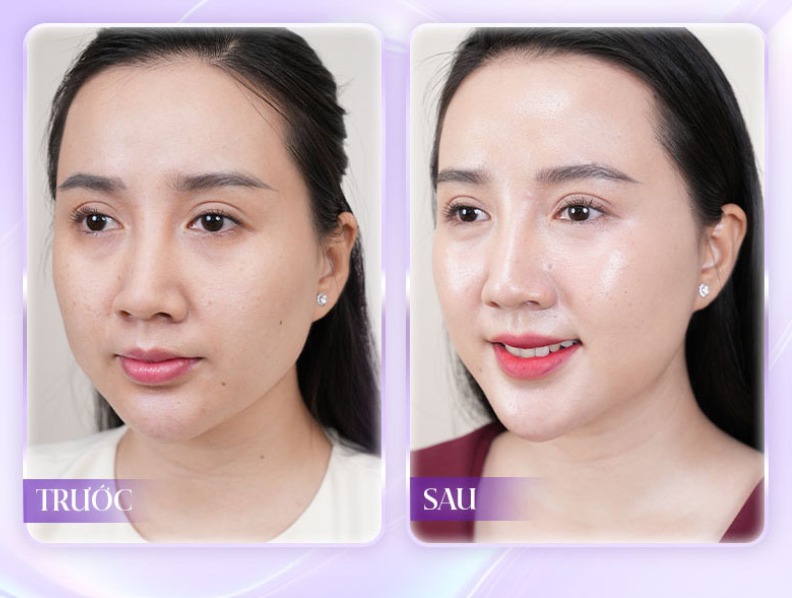
After giving birth, many women experience postpartum skin issues, becoming sensitive and prone to developing hidden acne (comedones). Let’s explore the causes and some tips for addressing these concerns.