Tiếng Việt

Seborrheic keratosis is a skin condition characterized by the appearance of dark-colored spots or patches, most commonly seen in adults and older individuals. Correctly identifying this condition is essential for choosing an appropriate management approach and avoiding self-treatment, which could potentially damage the skin. In this article, HBIO Clinic will guide you on how to identify and effectively address seborrheic keratosis.
Is treatment for seborrheic keratosis necessary?
Treatment for seborrheic keratosis is advisable if the lesions are aesthetically bothersome, cause physical discomfort (such as snagging on clothing), or are frequently irritated. Professional evaluation and proper management can improve the skin’s surface, help prevent damage caused by friction, and ensure the early detection of any concerning or unusual signs.
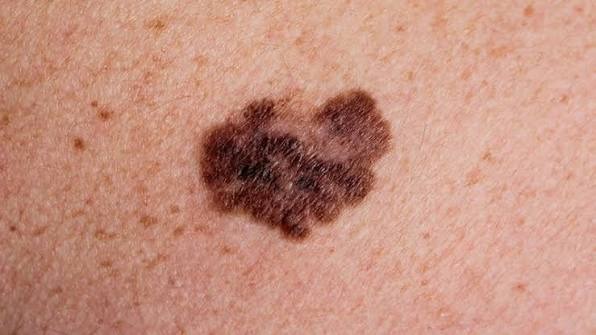
Causes of Seborrheic Keratosis
Seborrheic keratosis develops primarily due to the skin aging process and genetic factors. This condition is commonly seen in middle-aged and older adults, though it may appear earlier in individuals with a family history of the condition.
Additionally, the abnormal proliferation of skin cells contributes to the formation of raised, brown or black lesions on the skin’s surface. However, the exact cause of this condition has not yet been fully determined.
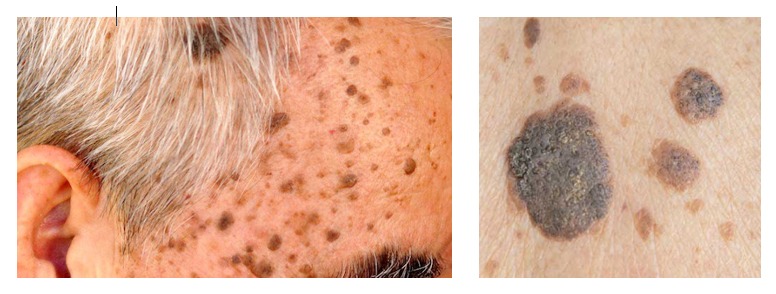
4 Effective Treatments for Seborrheic Keratosis
Seborrheic keratosis can be addressed through various methods. Below are 4 common treatment options for your consideration:
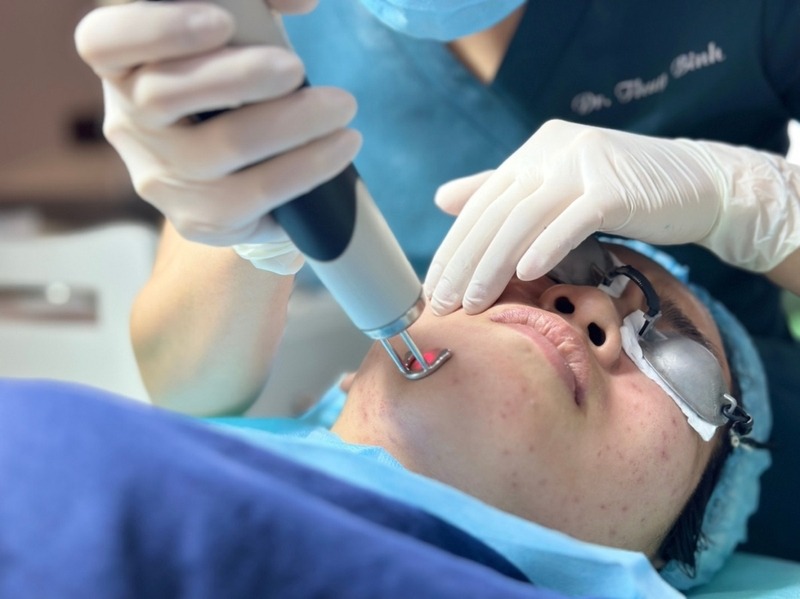
Er:YAG Laser Technology
Er Yag Laser Technology utilizes a 2,940 nm wavelength to perform controlled tissue ablation, allowing for the precise removal of seborrheic keratosis lesions. This method is well-suited for elevated lesions that require targeted treatment. While it offers excellent control over the depth of the procedure, it may cause mild discomfort, scab formation, pigment changes, or scarring if not cared for properly.
- Effectiveness: Often removable in a single session.
- Recovery: Approximately 1–2 weeks.
- Best for: Thick, raised lesions.
- Cost: Approximately 500,000 – 2,000,000 VND per session.
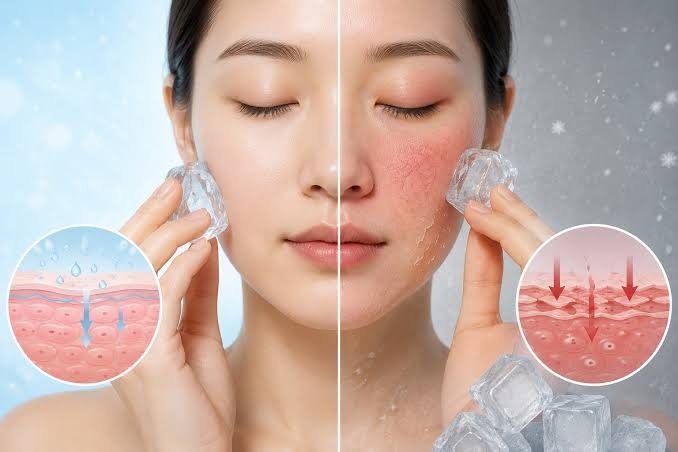
Liquid Nitrogen Cryotherapy
Cryotherapy uses liquid nitrogen at very low temperatures to destroy damaged tissue, causing the affected skin to blister or form a scab, which then gradually peels away.
This is a quick, non-surgical procedure; however, it is more difficult to precisely control the depth of treatment compared to some other techniques. There is also a risk of post-treatment hypopigmentation (lightening of the skin) or hyperpigmentation (darkening of the skin).
- Effectiveness: Typically requires 1–2 sessions.
- Recovery: Approximately 1–3 weeks.
- Suitable for: Small, superficial lesions.
- Cost: Approximately 200,000 – 800,000 VND per session.
Curettage (skin scraping)
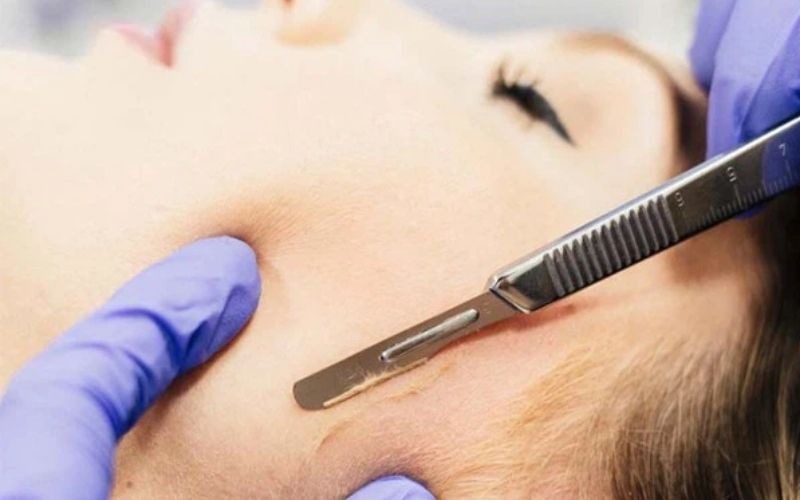
Curettage is a technique that uses a specialized instrument to scrape away a lesion – performed after the application of local anesthesia – to remove visible, thickened, or keratotic tissue.
Advantages include the ability to complete the procedure quickly in a single session, sometimes combined with electrocautery to control bleeding. Disadvantages include the potential risks of bleeding, infection, scarring, or recurrence if the lesion is not completely removed.
- Effectiveness: Can often be removed in a single session.
- Recovery: Approximately 1 – 2 weeks.
- Suitable for: Raised, accessible lesions.
- Cost: Approximately 500,000 – 1,500,000 VND per session.
Electrocautery
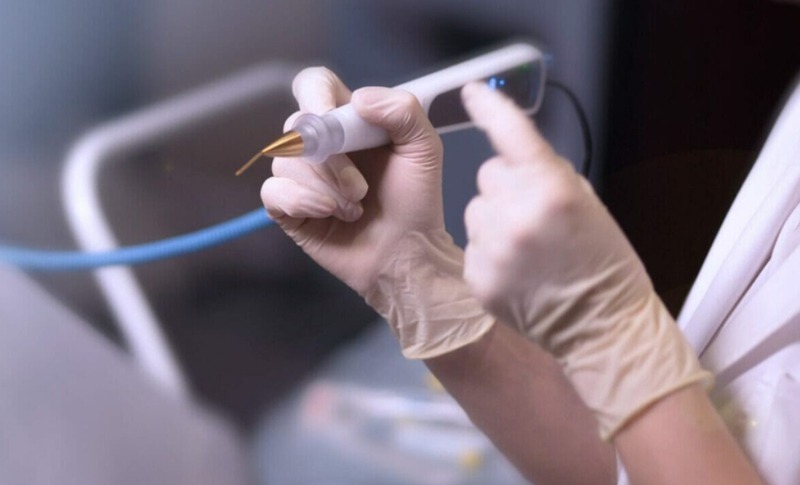
Electrocautery uses heat generated by an electric current to destroy seborrheic keratosis lesions; it is sometimes combined with curettage (scraping away the lesion) to enhance treatment efficacy. While this method can remove lesions quickly, the depth of the procedure must be carefully controlled, as excessive heat can lead to burns, scarring, or skin pigmentation disorders.
- Efficacy: Often removable in a single session.
- Recovery: Approximately 1–2 weeks.
- Suitable for: Raised, benign lesions.
- Cost: Approximately 300,000 – 1,500,000 VND per session.
Should you visit a spa for the treatment of seborrheic keratosis?
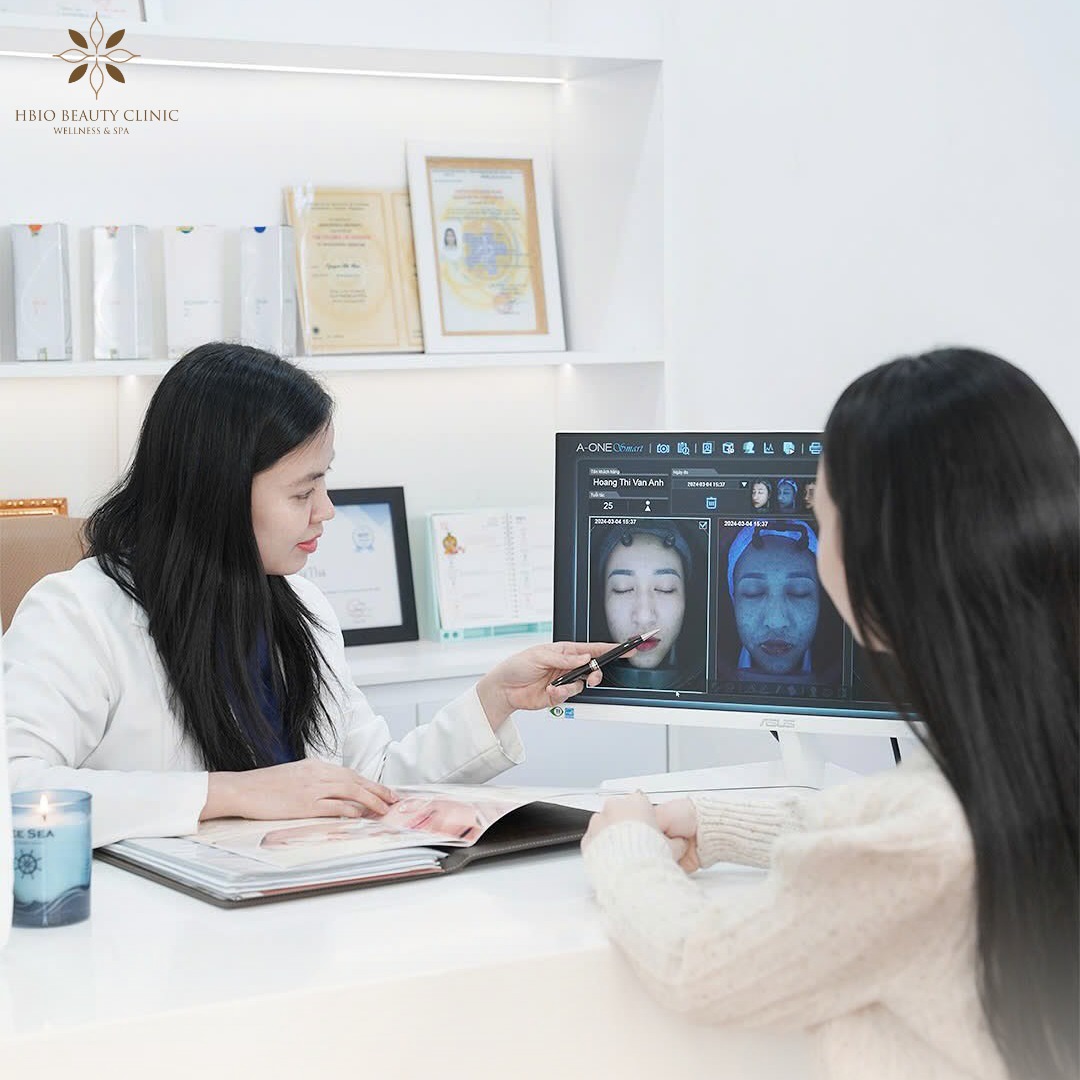
YES. You should choose a reputable skincare clinic to receive a professional assessment and advice on the most appropriate treatment for seborrheic keratosis. HBIO Clinic is proud to offer skincare solutions with the following key advantages:
- Expert Team: Professionals to assess your skin condition, identify specific lesions, and recommend the appropriate course of action.
- Er:YAG Laser Technology: The use of laser technology to remove seborrheic keratosis lesions, as determined by professional clinical judgment.
- Personalized Treatment Plans: Customized approaches tailored to each client’s specific skin condition and individual needs.
- Skincare Protocols: Comprehensive guidance on pre- and post-treatment care to support optimal skin recovery.
- Dedicated Consultation: Ongoing support to address your questions, monitor your skin’s progress, and provide instructions for at-home care.
Can seborrheic keratosis recur after treatment?
YES, seborrheic keratosis can recur or appear on other areas of the skin following treatment. This condition is typically linked to age and individual predisposition, rather than being solely a matter of skincare.
After treatment, you should keep the affected area clean, moisturize regularly, and apply sunscreen when going outdoors. Avoid picking, scratching, or attempting to remove the lesions yourself, as this can lead to irritation, infection, and scarring.
Frequently Asked Questions
Below are some frequently asked questions about seborrheic keratosis. The following answers will help you better understand the potential risks and how to manage this condition:
Is treatment for seborrheic keratosis necessary?
YES. You may want to seek treatment for seborrheic keratosis to improve appearance, reduce irritation, and prevent damage caused by friction. Consult a dermatologist to determine the most appropriate treatment method and to check for any concerning signs.
Is seborrheic keratosis dangerous?
NO. Seborrheic keratosis is generally a benign skin lesion and poses little risk to your overall health. However, if a lesion changes rapidly in size or color, or begins to bleed, you should consult a dermatologist.
Can seborrheic keratosis develop into skin cancer?
NO. Seborrheic keratosis is a benign condition and does not progress into skin cancer. Nevertheless, some cancerous lesions may resemble seborrheic keratosis, so it is important to have any unusual-looking lesions evaluated by a doctor.
Should I attempt to pick off or remove seborrheic keratosis at home?
NO. Picking at these lesions or using chemical agents to remove them can lead to bleeding, infection, and scarring. It is best to visit a reputable spa or dermatology clinic to have your skin assessed and to receive professional advice on the appropriate treatment.
We hope this information helps you better understand seborrheic keratosis and how to manage it safely and effectively. If you notice any unusual changes in your skin lesions, please consult a doctor for timely professional guidance.