Tiếng Việt
“Should I exfoliate my face?” is a common question for those building a skincare routine. Exfoliation is a crucial step in any skincare regimen. So, why is it important? What types of exfoliants are available? Can you exfoliate if your skin is damaged? In the following article, HBIO Clinic answers these questions and more regarding facial exfoliation.

Benefits of Facial Exfoliation
Proper exfoliation not only cleanses the skin but also offers comprehensive benefits for skin health and appearance.
- Brightens and evens out skin tone: Exfoliation removes the layer of dull surface cells, making the skin look brighter. It also helps improve uneven skin tone and dark spots.
- Reduces acne and clogged pores (hidden acne): Clearing away the layer of dead skin cells helps limit the accumulation of bacteria and excess oil—the primary causes of acne. Consequently, issues like blackheads and hidden acne are noticeably improved.
- Prevents clogged pores: Removing dead skin cells keeps pores clear. This reduces the risk of acne formation and allows the skin to “breathe” more easily.
- Boosts collagen production and prevents aging: This process removes old cells and stimulates the skin to regenerate new ones. Enhanced collagen production helps firm the skin and slow down the aging process.
- Enhances nutrient absorption: When the skin surface is clean and clear, skincare products can penetrate more deeply. This maximizes the effectiveness of serums, moisturizers, and active skincare ingredients.
- Improves skin texture: Exfoliation makes the skin smoother and reduces roughness. It also helps even out the skin’s surface, resulting in a healthier, silkier appearance.
How often should you exfoliate?
Generally, facial exfoliation should be done about 1–2 times a week to remove the layer of dead skin cells, unclog pores, and help the skin better absorb nutrients.
However, the specific frequency may vary depending on your skin type, skin condition, and the product used: oily skin can be exfoliated twice a week, whereas dry or sensitive skin usually requires exfoliation only once a week.
Common facial exfoliation methods
Exfoliation methods are currently categorized into two main groups with completely different mechanisms and modes of action; each method suits specific skin types and skincare needs.
Physical exfoliation
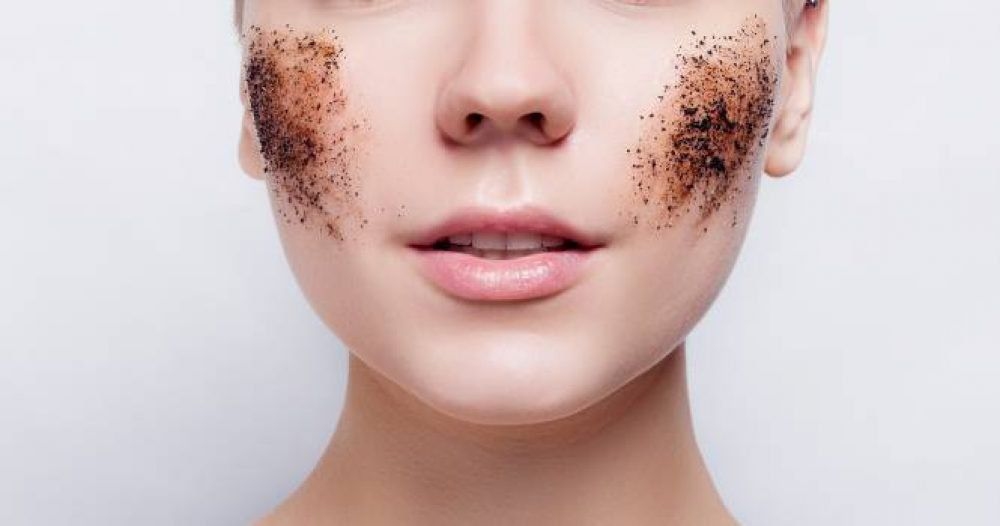
Physical exfoliation involves using mechanical friction to remove dead skin cells from the skin’s surface. During massage, scrub particles or tools lift away the layer of dead skin, dirt, and excess oil, leaving the skin surface cleaner and smoother immediately after use.
Physical exfoliation comes in various forms, including:
- Scrubs: containing small particles—such as sugar, salt, or synthetic beads—to cleanse the skin.
- Peeling gels (gommage): working by clumping together to lift away dead skin cells during gentle massage.
- Exfoliation tools: sponges, facial cleansing brushes, exfoliating gloves, or facial cleansing devices.
Pros:
- Visible cleansing results immediately after use
- Easy to use; suitable for skincare beginners
- Affordable and widely available
Cons:
- Can easily cause scratches if rubbed too vigorously
- Does not provide deep pore cleansing
- Not suitable for sensitive or inflamed acne-prone skin
Suitable skin types:
- Healthy, resilient skin
- Normal or combination skin
- Skin with minimal acne, primarily characterized by rough texture or dullness

Chemical Exfoliation
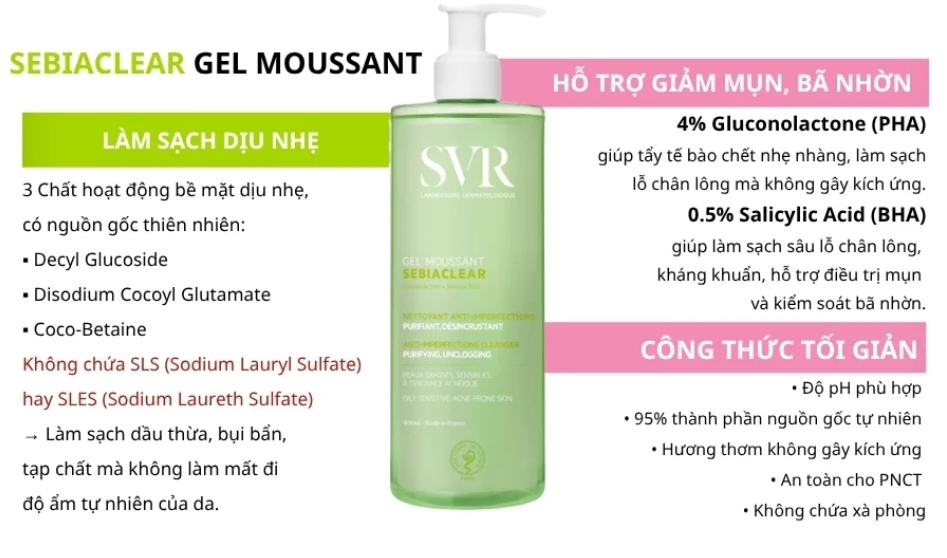
Chemical exfoliation utilizes active acids to break the bonds between dead skin cells, allowing them to slough off naturally without the need for physical scrubbing. These active ingredients penetrate deep into the pores to clear away excess oil, support skin renewal, and address issues such as acne, dark spots, and dullness.
This mechanism ensures even cleansing while minimizing skin damage.
Common types of chemical exfoliants include:
- AHA: Water-soluble; works on the skin’s surface; ideal for brightening and improving skin texture.
- BHA: Oil-soluble; penetrates deep into pores; ideal for oily and acne-prone skin.
- PHA: A newer generation; gentler; ideal for sensitive skin.
Advantages:
- Deep cleansing; acts within the pores.
- Causes minimal mechanical damage to the skin’s surface.
- Effectively helps improve acne, dark spots, and dullness.
Limitations:
- Can cause irritation if used at the wrong concentration or frequency.
- Requires diligent sun protection, as the skin becomes more sensitive to UV rays.
- Takes time to show visible results.
Suitable skin types/conditions:
- Oily, acne-prone skin; skin prone to clogged pores.
- Dull or uneven skin tone.
- Skin with dark spots or mild pigmentation issues.
- Sensitive skin (prioritize PHA or low concentrations).
Common mistakes when exfoliating your face
While exfoliation offers many benefits, doing it incorrectly can damage your skin and cause it to deteriorate rapidly.
- Scrubbing too hard: Many people believe that vigorous scrubbing leads to cleaner skin, but this can easily cause abrasions and damage the skin’s protective barrier. Consequently, the skin becomes sensitive, prone to irritation, and may even experience increased breakouts.
- Over-exfoliating: Exfoliating too frequently strips away the skin’s natural protective oils. This leaves the skin dry, weak, and susceptible to irritation or premature aging. You should limit exfoliation to 1–2 times a week to allow your skin time to recover and avoid damage.
- Skipping moisturizer and sunscreen after exfoliating: Once the layer of dead skin cells is removed, the skin becomes more sensitive to environmental factors. Without proper hydration and sun protection, the skin is highly prone to dryness, darkening, and UV damage.
- Using exfoliating ingredients that are too harsh: Choosing unsuitable products containing overly potent active ingredients can irritate or “strip” the skin. For sensitive skin in particular, this can easily lead to redness, burning, peeling, and prolonged damage.

HBIO Clinic – A safe spa for exfoliation and skincare
At HBIO Clinic, exfoliation and skincare procedures are personalized to each skin type, ensuring gentle cleansing while protecting the skin’s natural barrier.
Treatments are performed in a sterile environment, combining modern skincare technologies with high-quality dermocosmetics to deliver optimal results while minimizing the risk of irritation.
A team of experienced doctors and specialists conducts thorough consultations prior to treatment, ensuring clients feel confident and at ease throughout the skincare and recovery process.
Frequently Asked Questions About Facial Exfoliation
Below are common questions from HBIO Clinic clients regarding exfoliation within their skincare routine:
Should sensitive skin be exfoliated?
Yes, but it requires choosing gentle products and limiting frequency. Those with sensitive skin should prioritize low-concentration chemical exfoliants (such as PHA) over physical scrubs to avoid irritation caused by friction. It is also important to monitor the skin’s reaction and ensure adequate moisturizing and restorative care.
Should inflamed, acne-prone skin be exfoliated?
It is possible, but extreme caution is required to avoid harsh impact on inflamed areas. Products containing BHA at appropriate concentrations are recommended to cleanse pores without damaging the skin’s surface. In cases of severe acne, consulting a specialist before use is advised.
Should skin undergoing active treatment be exfoliated?
Yes, but the frequency must be adjusted, and the use of overlapping potent active ingredients avoided. When using retinol, AHA, or other treatment products, exfoliation should be spaced out appropriately to prevent overloading the skin (exfoliate once a week when using medium-to-high concentration treatment products, and up to twice a week with mild concentration products). Additionally, you should simplify your skincare routine and prioritize skin recovery during this period.
Should you exfoliate your face frequently?
You should not exfoliate too often, as doing so can thin and weaken the skin. The ideal frequency depends on your skin type; generally, exfoliating once or twice a week is sufficient to maintain results. Over-exfoliation can lead to irritation, breakouts, and increased skin sensitivity to environmental factors.
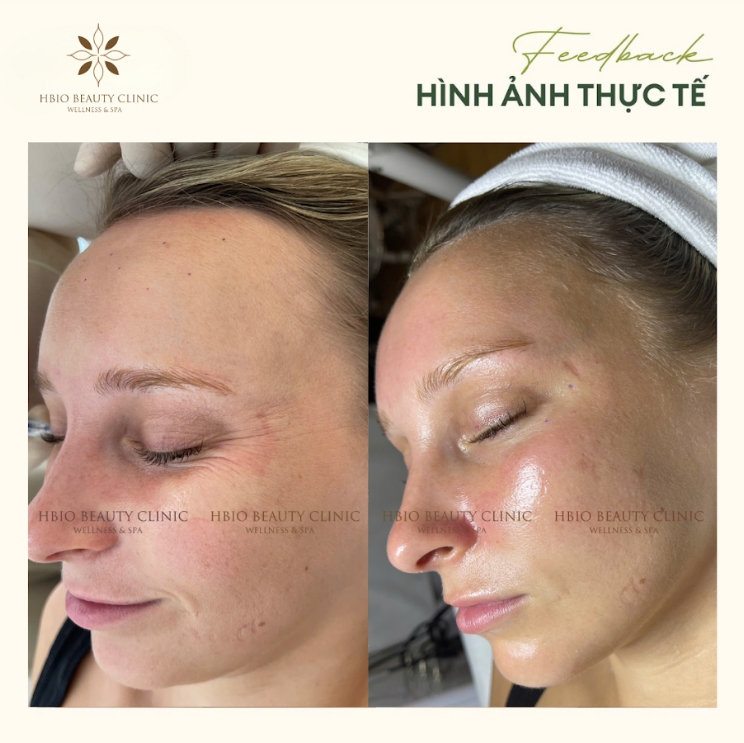
In summary, facial exfoliation is an essential part of a basic skincare routine. This step not only ensures deep cleansing but also enhances the effectiveness of subsequent skincare products. We hope the insights shared by HBIO Clinic help you choose the right exfoliation method for your skin. If you have concerns about your skin condition and would like a professional consultation to select the most suitable treatment, please contact HBIO Clinic today for the best possible assistance.
HBIO Clinic – Facial Skincare & Spa
- Phone: 0947 697 795
- Location: 24 Truong Han Sieu, Tran Hung Dao, Hoan Kiem, Hanoi
- Zalo: 0947 697 795