
Should You Get a Chemical Peel for Dry Skin? Insights and Tips from a Dermatologist

Chemical peeling is a popular epidermal resurfacing treatment that addresses pigmentation issues, clogged pores, and signs of premature aging. While many people with dry skin worry about whether this procedure is suitable for them, the fact is that dry skin can indeed undergo a peel—provided certain precautions are taken. Join Hbio Clinic as we explore who is a suitable candidate and whether a peel is appropriate for dry skin.

Should you get a chemical peel if you have dry skin?
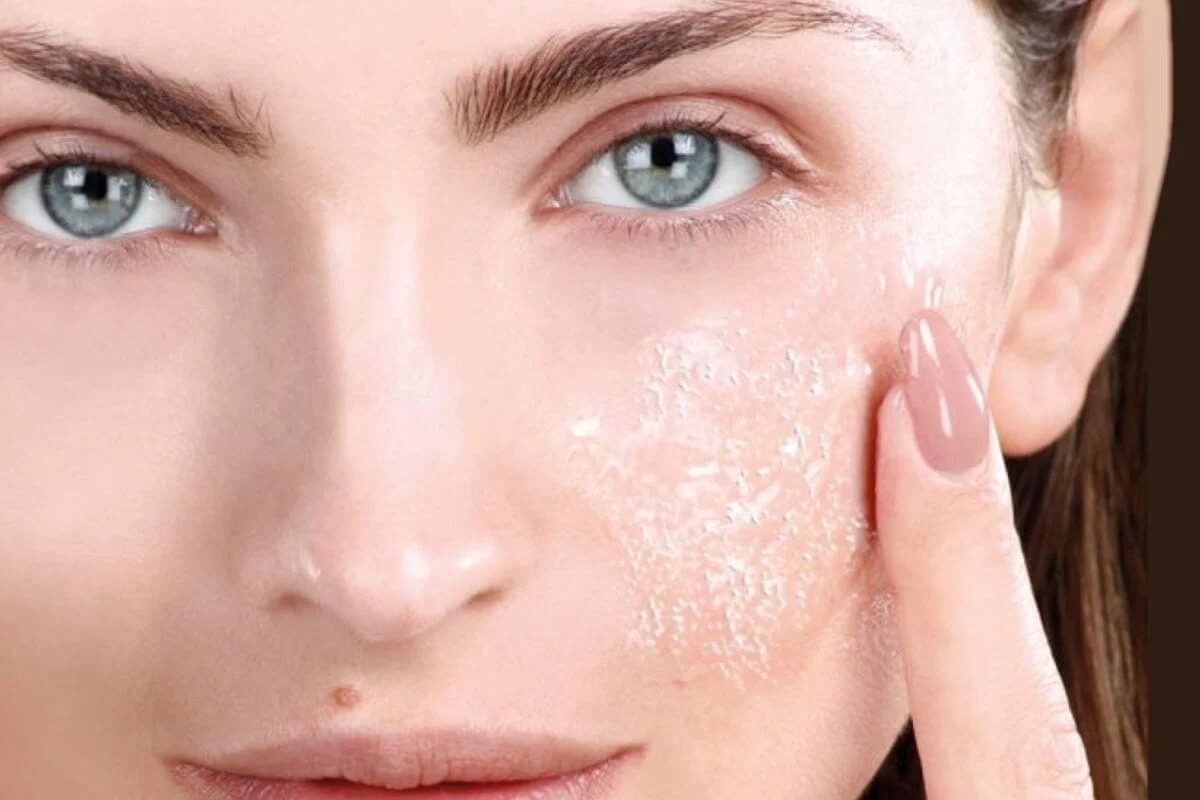
The answer is YES, but the procedure must be performed by qualified medical professionals using the appropriate medical-grade concentrations and following proper clinical guidelines.
You should only proceed with a peel if your skin is moderately dry and-crucially-free of open wounds, acute irritation, or contact dermatitis.
Should you get a chemical peel if you have dry skin?

Why does dry skin require caution with chemical peels?

Unlike oily, thick-skinned complexions, dry skin naturally possesses a weak lipid barrier and low internal moisture levels. Consequently, deciding whether to undergo a chemical peel requires great care for the following reasons:

A fragile barrier prone to deep damage

Dry skin lacks sufficient natural ceramides and fatty acids, allowing acids to penetrate uncontrollably into deeper layers; this increases the risk of irritation, burning sensations, or prolonged redness.

A sharp rise in Transepidermal Water Loss (TEWL)
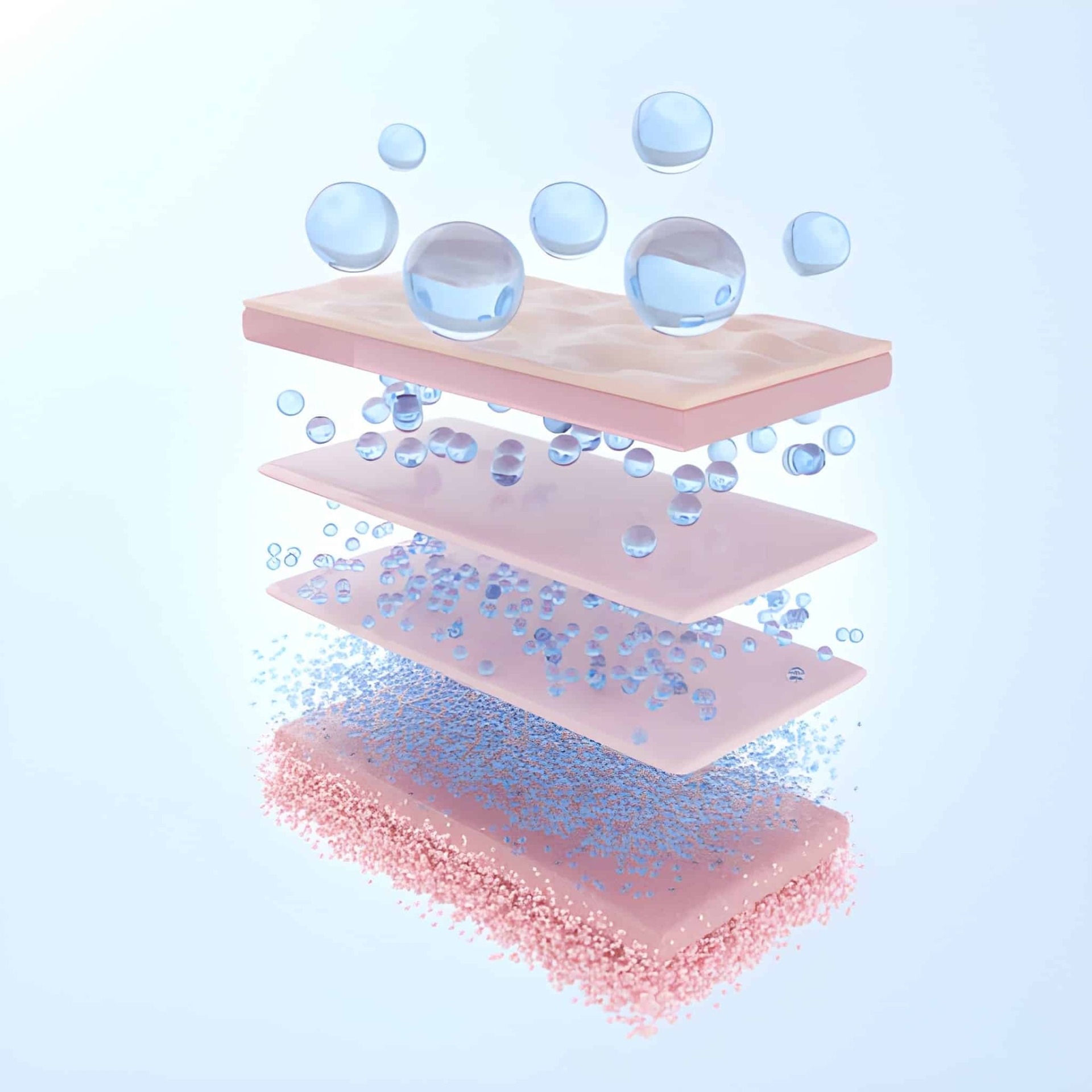
Once the stratum corneum (outermost skin layer) is exfoliated, moisture evaporates rapidly from dry skin. Without timely rehydration, the skin can become severely tight, parched, and cracked.
Increases the risk of transepidermal water loss

Prone to post-inflammatory hyperpigmentation (PIH)

When dry skin is irritated by high-concentration acids, it mounts a stronger-than-normal inflammatory response; this triggers melanocytes to produce melanin, resulting in patchy dark spots or discoloration.

Do not attempt a chemical peel on your own if you have dry skin

If you are unsure whether a chemical peel is suitable for your dry skin, postpone the treatment if your skin is currently in any of the following conditions:
  • Severely dry, tight, and cracked skin, or skin with bleeding or unhealed open wounds.
  • Corticosteroid-damaged skin that is fragile, shows visible capillaries, and experiences a constant burning sensation.
  • Active autoimmune skin conditions, a flare-up of atopic dermatitis, or a Herpes viral infection.
  • Recent deep invasive procedures or cosmetic surgery.
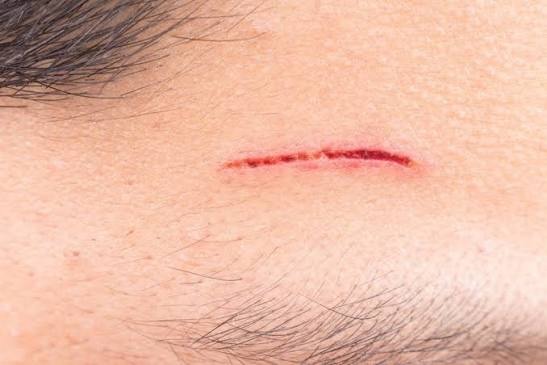
Not undergo a chemical peel if you have open wounds on your skin

Which type of peel is suitable for dry skin? Should you get a peel at a spa?

While there are many peeling agents specifically designed for dry skin, these are potent ingredients; therefore, visiting a spa is recommended to ensure optimal care and safety.
Some types of peels suitable for dry skin include:
  • Lactic Acid: An AHA derivative from fermented milk; its large molecular size allows for gentle surface exfoliation while boosting natural ceramide synthesis to retain skin moisture.
  • Mandelic Acid: Derived from bitter almonds, this acid penetrates slowly and acts gently, making it ideal for dry, sensitive skin.
  • Fruit-derived enzymes: Extracts such as Papain (from papaya) or Bromelain (from pineapple) provide gentle exfoliation without drastically altering the epidermis’s pH level.
  • Hyaluronic Acid (HA) complexes: Some modern peel solutions incorporate hydrating HA molecules to soothe the skin instantly and minimize the risk of excessive peeling.
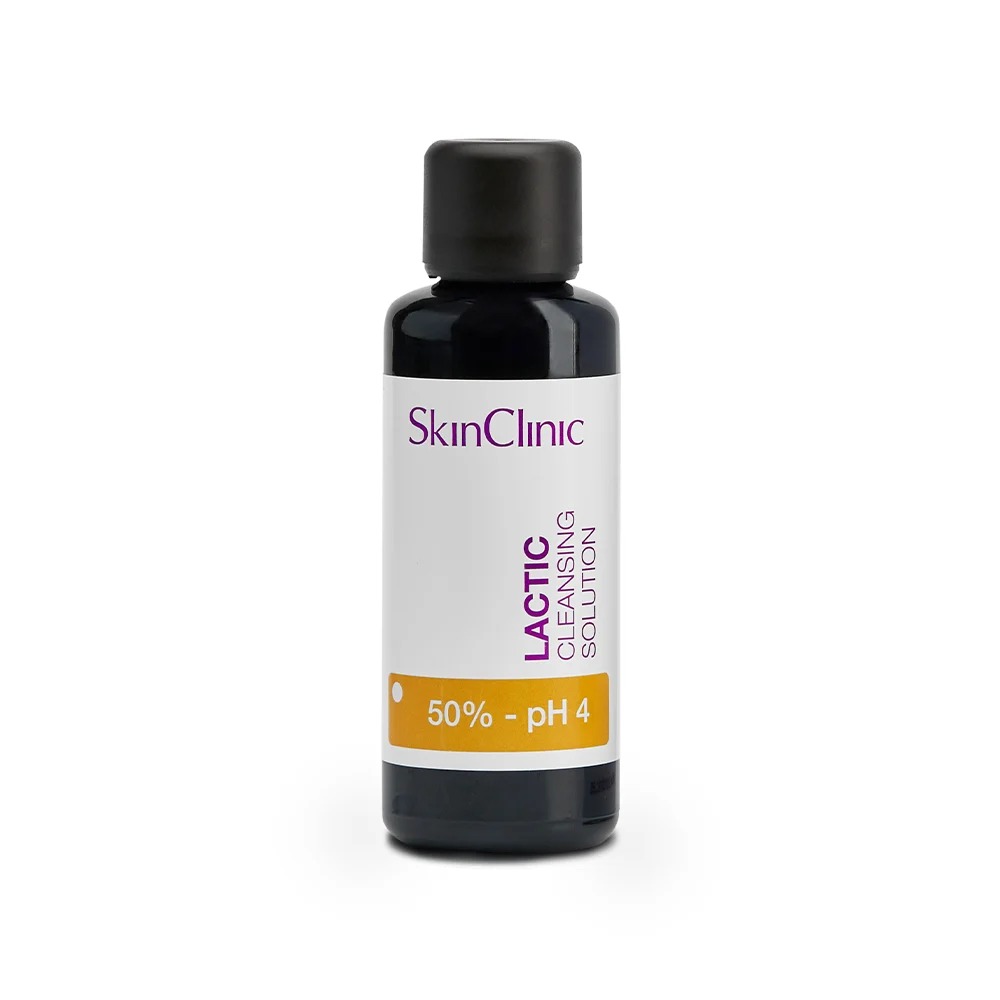
Safe peeling active ingredient specifically for dry skin

These are new peeling agents specifically designed for dry skin, used at HBIO Clinic. You will receive a consultation to select the most suitable product line, ensuring irritation is minimized.

HBIO Clinic: A trusted haven for dry skin in need of rejuvenation
At HBIO Clinic, the rejuvenation treatment for dehydrated skin is always paired with an intensive recovery protocol:
  • Step 1: A dermatologist conducts a direct examination and AI skin analysis to accurately assess the degree of keratinization, thereby determining whether a chemical peel is suitable for the specific case of dry skin.
  • Step 2: Deep cleansing using gentle, soap-free products that preserve the skin’s natural moisture barrier.
  • Step 3: Application of a specialized low-concentration peel solution formulated for dry skin, with strict control over the contact time.
  • Step 4: Acid neutralization, combined with cold electrophoresis of Hyaluronic Acid (HA) and bio-light therapy for immediate skin soothing.
  • Step 5: Application of a multi-layer moisture-locking cream and a physical broad-spectrum sunscreen.
Safe skin peel procedure for dry skin at HBIO Clinic

Cost of chemical peels for dry skin

Peel Level

Indicated Skin Conditions

Active Ingredients

Reference Price (VND/Session)

Superficial Peel

Dull skin, mild roughness, acne, whiteheads, and blackheads

AHA (Glycolic Acid, Lactic Acid), low-concentration BHA (10–20%), fruit enzymes

800,000 – 1,500,000

Medium Peel

Acne, melasma, early signs of aging, enlarged pores, and long-standing acne scars

TCA 15–20%, Glycolic Acid 50–70%, Jessner’s Solution, customized Retinol peel

1,500,000 – 2,500,000

Deep / Multilayer Peel (Cocktail Peel)

Deep melasma, mild scarring, hyperkeratosis, and aging skin with static wrinkles

Yellow Peel, high-concentration TCA (combination of active ingredients)

2,500,000 – 3,500,000+

How should dry, peeling skin be cared for?

Post-treatment care is key to maintaining long-lasting skin hydration and smoothness:
  • For the first 24 hours, avoid washing your face with hot tap water; cleanse gently using only sterile saline solution.
  • Regularly apply a moisturizer containing Ceramides, Vitamin B5, and Hyaluronic Acid 2–3 times a day to restore the skin’s natural protective barrier.
  • Do not rub your skin or forcibly peel off any flaking skin.
  • Ensure complete protection by applying a broad-spectrum sunscreen with SPF 50+ before going outdoors.


Addressing questions about chemical peels for dry skin

Should you get a chemical peel if your dry skin is currently peeling in patches?

You should not undergo a peel if your skin is flaking in patches due to acute dehydration. It is essential to restore moisture using serums and barrier-repairing creams for 1–2 weeks to stabilize the skin before proceeding with a chemical peel.

How often should dry skin undergo a chemical peel?

For dry skin, the interval between peels should be 3–4 weeks, using gentle active ingredients; avoid frequent treatments that could compromise the skin’s protective barrier.
We hope this article from HBIO Clinic has answered your questions about whether chemical peels are suitable for dry skin and provided information on safe peel options for this skin type.