Tiếng Việt
Enlarged pores not only affect aesthetics but also easily accumulate excess oil and dirt, leading to clogged pores. Many people wonder whether they should consider chemical peels for large pores. In fact, if done correctly and appropriately for their skin condition, chemical peels can help cleanse pores and improve skin texture effectively. In this article, HBIO Clinic will help you understand this method better.
Appropriate frequency for skin peeling
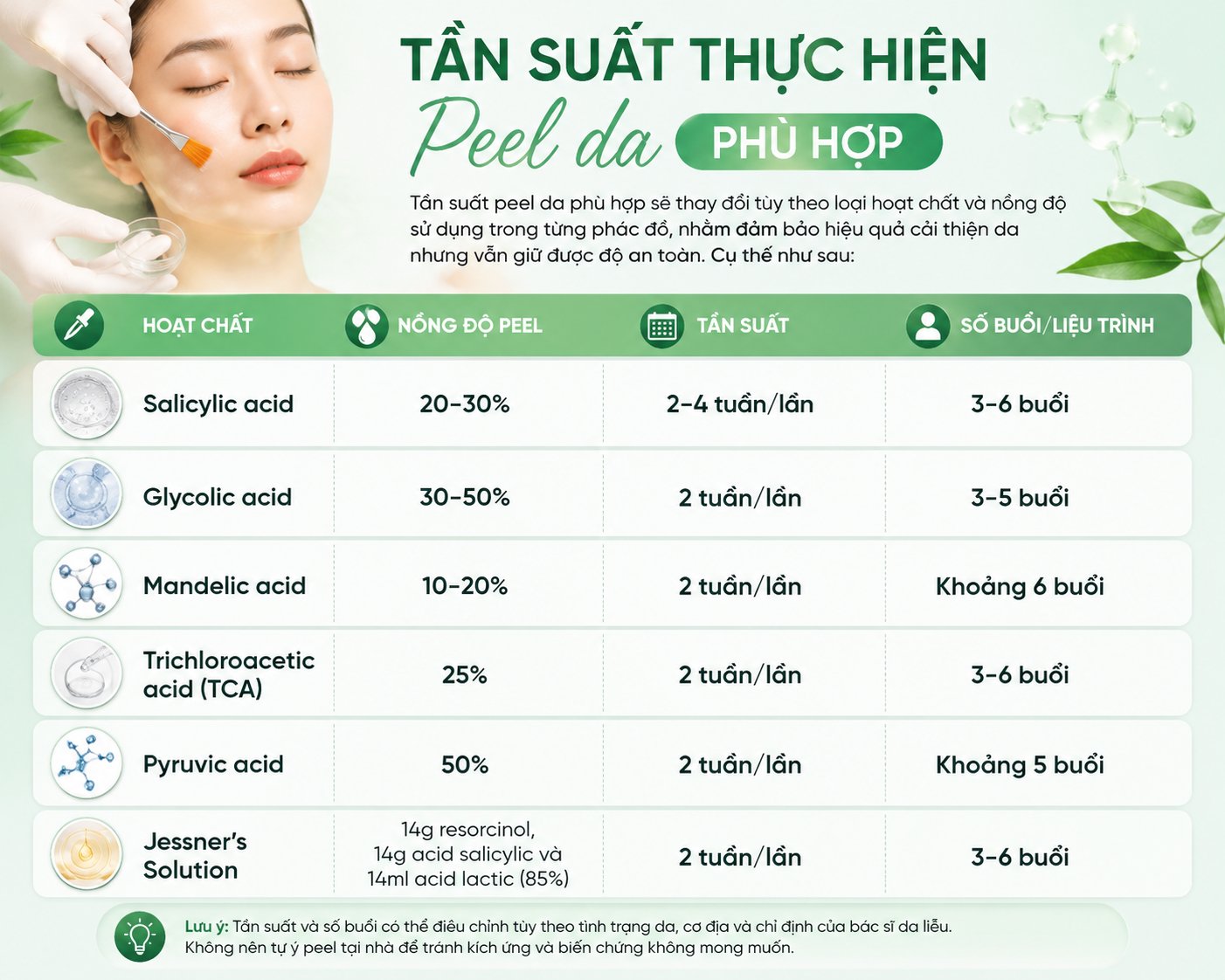
The appropriate frequency of skin peeling varies depending on the type of active ingredient and concentration used in each treatment plan, ensuring effective skin improvement while maintaining safety. Specifically:
- Salicylic acid: 20-30% concentration, performed every 2-4 weeks, totaling 3-6 sessions per treatment course.
- Glycolic acid: 30-50% concentration, performed every 2 weeks, approximately 3-5 sessions per treatment course.
- Mandelic acid: 10-20% concentration, performed every 2 weeks, lasting approximately 6 sessions.
- Trichloroacetic acid (TCA): 25% concentration, performed every 2 weeks, ranging from 3-6 sessions per treatment course.
- Pyruvic acid: 50% concentration, performed every 2 weeks, approximately 5 sessions per treatment course.
- Jessner’s Solution: consists of 14g resorcinol, 14g salicylic acid, and 14ml lactic acid (85%), administered every two weeks, for 3-6 treatment sessions.
Important things to know before and after pore-minimizing chemical peels
Precautions before and after a pore-minimizing chemical peel are crucial for achieving optimal treatment results and minimizing the risk of skin irritation. Therefore, proper skin preparation and care are essential during both stages.
Before skin peeling
Before performing a peel, products that can promote keratolysis such as retinoids or chemical exfoliants should be suspended for at least 7 days. At the same time, avoid effects that damage the skin surface to limit stinging or irritation when peeling.
In cases where the skin has severe inflammatory acne, treatment should be guided by a doctor, which may include antibiotics or antivirals if indicated. In addition, you should provide complete information about your dermatological history, medications you are using, as well as problems such as keloid scars, herpes or recent medical interventions so that the doctor can choose the most appropriate method.
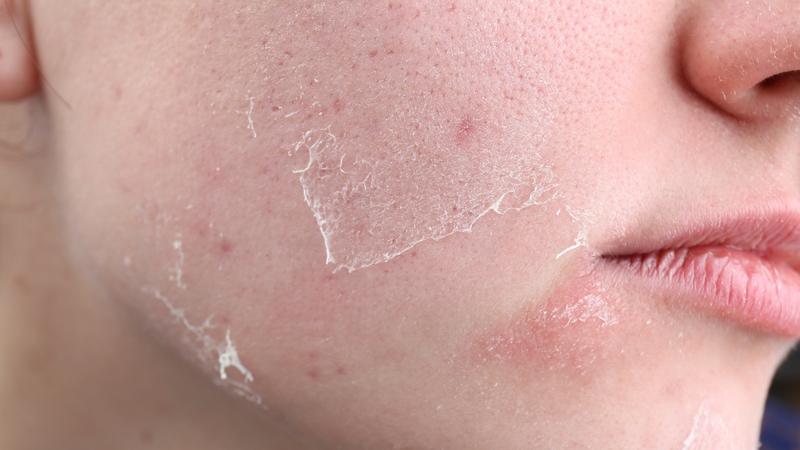
After a skin peel
After a chemical peel, proper care is crucial for faster skin recovery and minimizing irritation. Here are some important points to follow to protect your skin during this sensitive period:
- Gentle cleansing: Use a gentle cleanser to avoid irritation and help maintain the skin’s natural moisture.
- Increased moisturizing: Apply moisturizer to restore the skin’s protective barrier and reduce dryness and tightness.
- Avoid exfoliation and makeup: Minimize the use of harsh products to allow the skin time to regenerate.
- Do not pick or peel off the peeling skin: Allow the skin to peel naturally to avoid darkening and damage to the skin’s surface.
- Thorough sun protection: Use sunscreen and protective clothing to shield your skin from UV rays during this sensitive period.
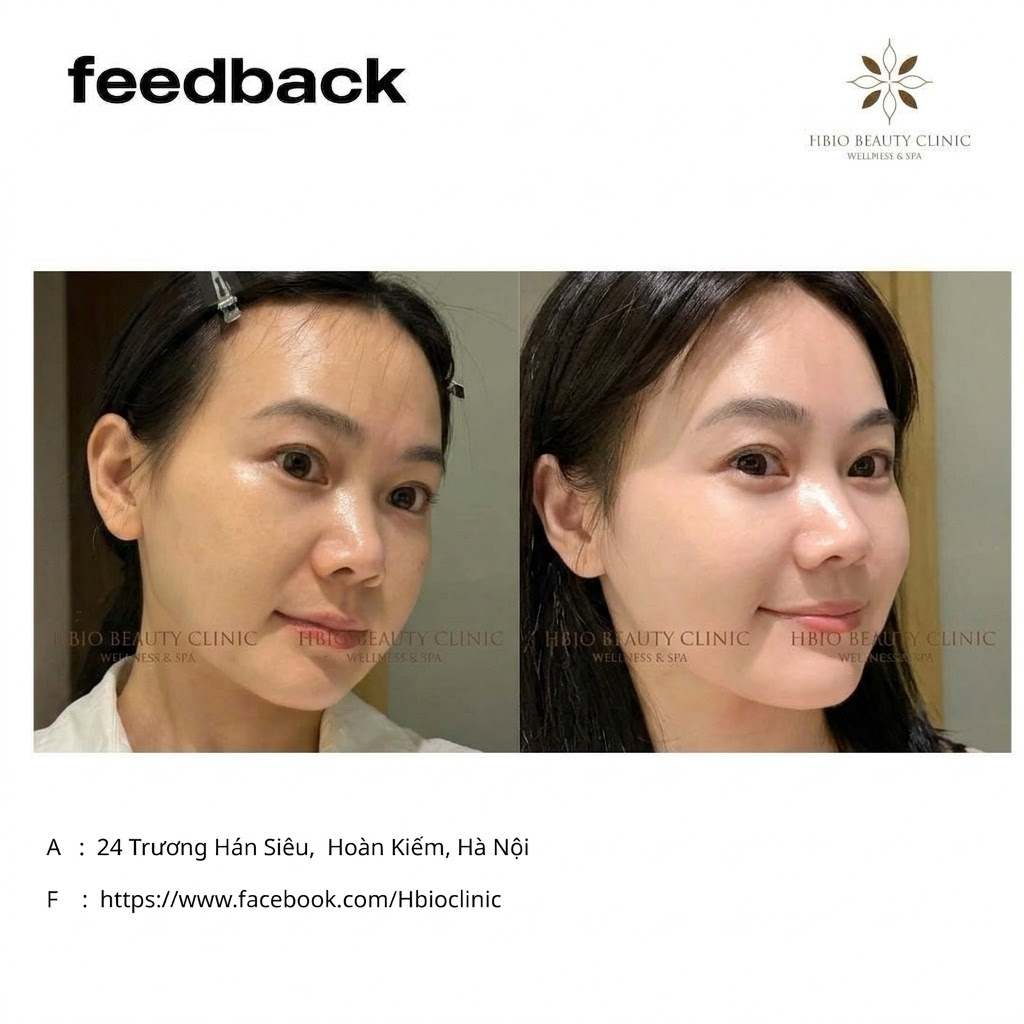
Where can I get an effective and reputable pore-minimizing chemical peel?
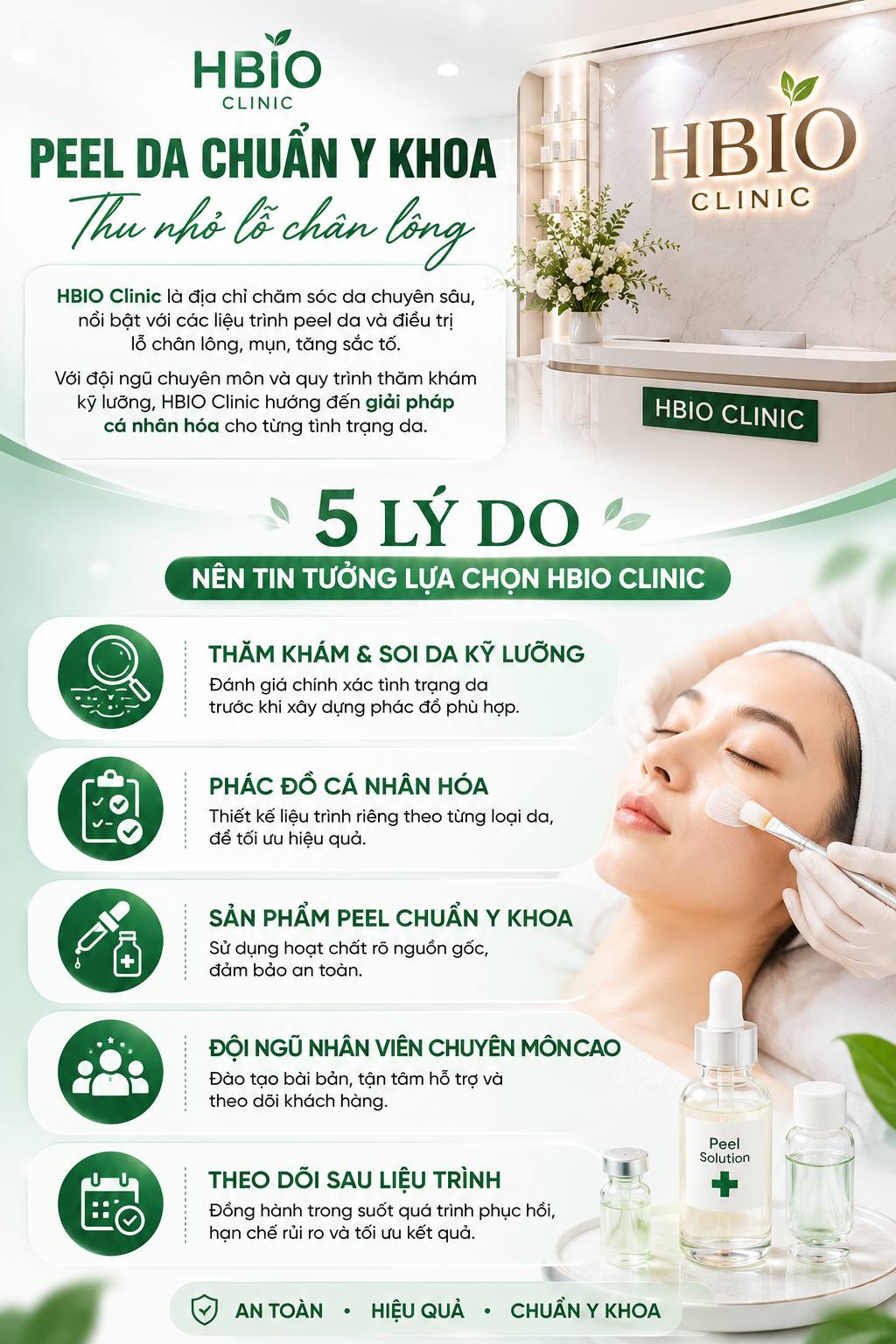
HBIO Clinic is a specialized skincare center, renowned for its skin peeling treatments and therapies addressing issues such as enlarged pores, acne, and hyperpigmentation. With a team of experts and a thorough examination process, HBIO Clinic aims for personalized solutions tailored to each individual’s skin condition.
Here are the reasons why you should trust and choose us:
- Thorough skin examination and examination: Accurately assess skin condition before developing a suitable peel regimen.
- Personalized regimen: Design individual treatment regimens for each skin type and level of problem to optimize effectiveness.
- Medical-standard peel products: Using active ingredients of clear origin, ensuring safety during treatment.
- Highly specialized staff: Staff are well-trained, support and monitor customers throughout the treatment process
- Post-treatment monitoring: Accompanying throughout the recovery process helps limit risks and optimize results.
Answering frequently asked questions
Chemical peels are a popular method for improving the appearance of large pores. Below are some frequently asked questions about this issue:
Is skin with oily skin and large pores suitable for chemical peels?
YES. Skin peels can help cleanse excess oil and dead skin cells accumulated in pores. However, it is necessary to choose the right active ingredients and concentrations for your skin condition.
Does chemical peeling permanently shrink pores?
NO. Skin peels help improve skin breathability and texture, making pores appear smaller. The effects need to be maintained with proper skincare.
How many chemical peels are needed to see improvement in pore size?
YES. Many people begin to see improvement after about 3-5 peels. The specific number of sessions depends on skin condition and the type of peel used.
Therefore, whether or not to peel enlarged pores depends on skin condition and the procedure. Hopefully, this article has provided you with useful information to help you make an informed decision.