
 Tiếng Việt
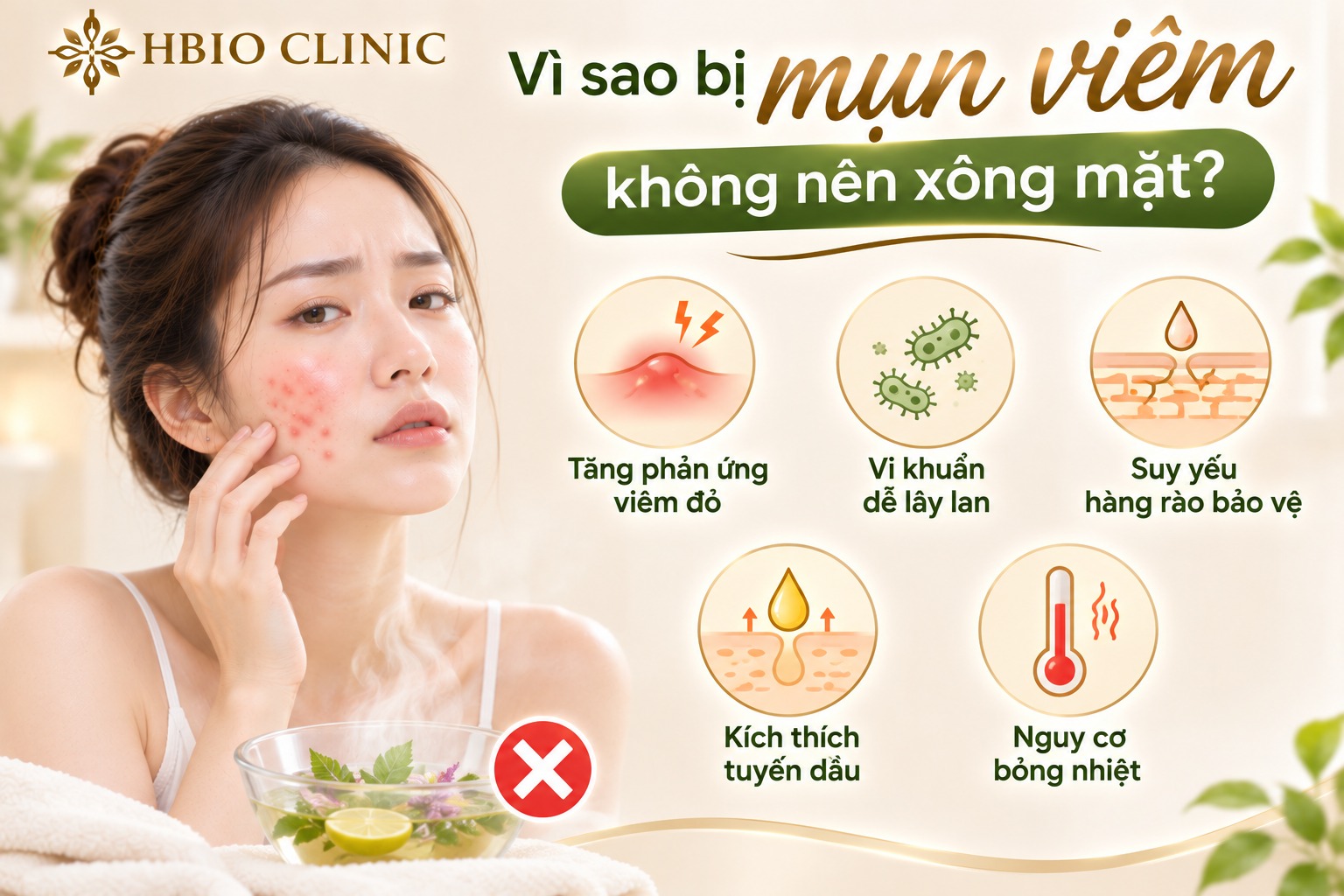
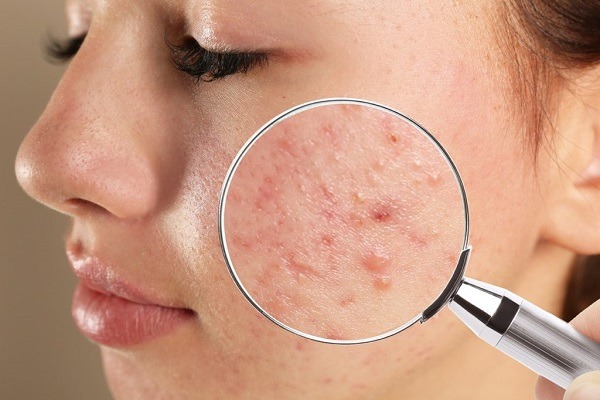
Many people wonder whether they should steam their face when dealing with inflammatory acne. Experts advise AGAINST it when acne is red, swollen, or inflamed. Exposure to high temperatures can intensify the inflammatory response and cause bacteria to spread further. To understand why—and to learn how to care for your skin according to medical standards—read this article from HBIO Clinic.
Why should you avoid facial steaming when you have inflammatory acne?
Many people mistakenly believe that steam treatments are an effective at-home solution for detoxification and the treatment of all types of acne. However, exposing damaged, inflamed, or pus-filled skin to high temperatures can lead to serious, unforeseen consequences:
- Increased inflammation and redness: High temperatures cause sudden dilation of the blood vessels beneath the skin, increasing vascular permeability and making acne lesions significantly more swollen, red, and painful.
- Facilitation of bacterial spread: A hot, humid environment creates an ideal breeding ground for *C. acnes* bacteria, allowing them to multiply rapidly and spread easily to adjacent, healthy skin.
- Compromised lipid barrier: Excessive heat disrupts the skin’s natural protective barrier, leading to moisture loss and leaving the skin extremely sensitive.
- Overstimulation of oil glands: When the skin becomes dehydrated due to heat, the body compensates by producing more sebum, which can severely clog hair follicles.
- Risk of thermal burns and tissue damage: Staying too close to the heat source or using water that is too hot can damage cellular structures and hinder the skin’s natural recovery process.
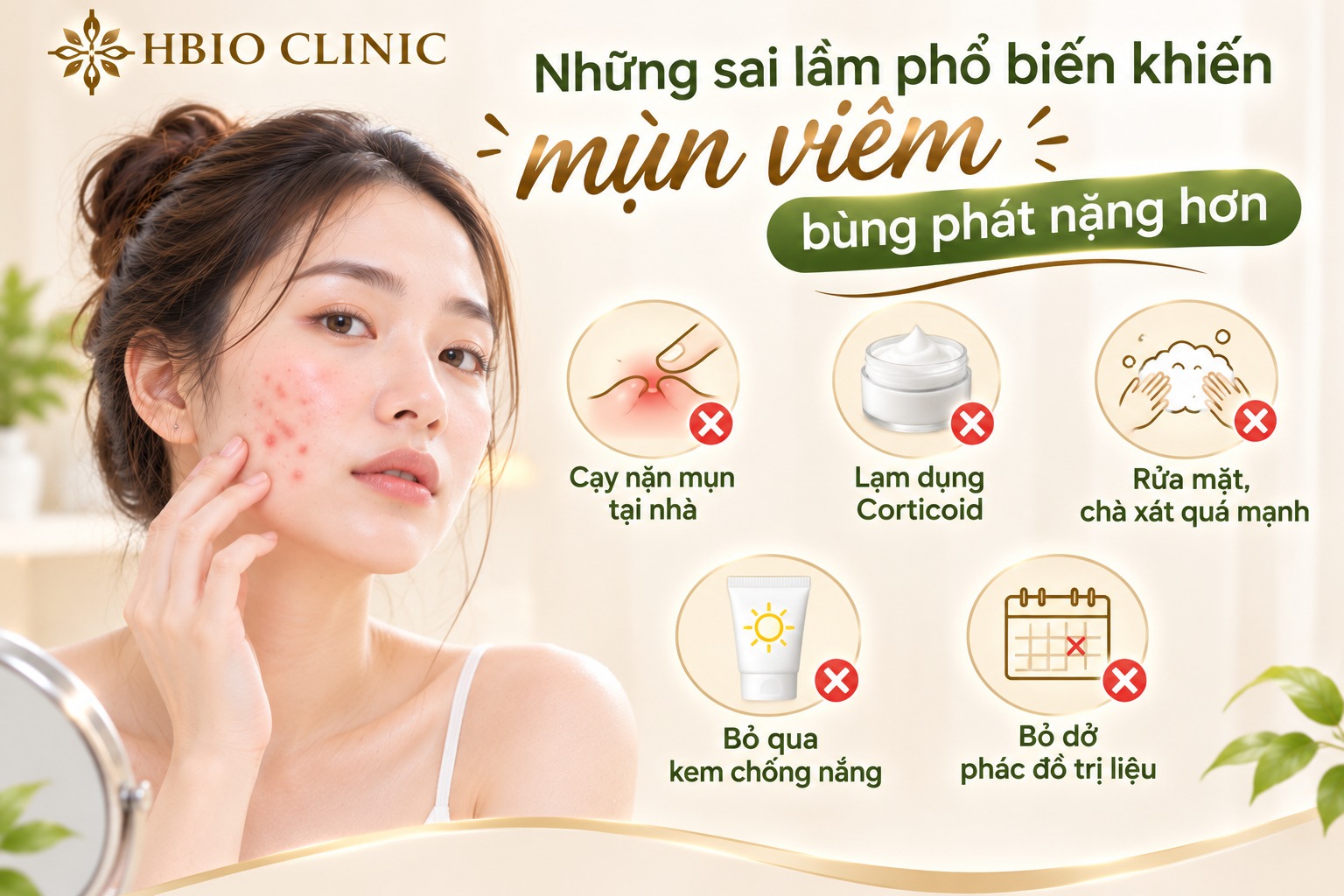
Common mistakes that cause inflammatory acne to flare up more severely
Beyond improper steaming, many daily skincare habits can also exacerbate acne-related damage. Identifying and eliminating these behaviors early on will help protect your skin and shorten the duration of your treatment:
- Frequently picking or squeezing acne at home: Using your hands or unsterilized tools to pop pimples disrupts the hair follicle structure, pushes the inflammation deeper, and can lead to permanent pitted scarring.
- Overusing products containing corticosteroids: Applying “mixed” creams (unregulated concoctions) or harsh medicinal tinctures erodes the skin, destroys its protective barrier, and often triggers severe acne flare-ups later.
- Washing your face too aggressively or scrubbing: Frequent face washing or the use of mechanical cleansing brushes can scratch the skin’s surface, causing peeling and further irritating inflamed, swollen pimples.
- Skipping sunscreen: The misconception that acne-prone skin shouldn’t be exposed to sunscreen leaves it vulnerable to UV rays, which can severely damage skin tissue and lead to persistent dark spots.
- Discontinuing treatment prematurely: Stopping medication as soon as acne begins to improve—before the bacteria have been completely eliminated—creates the perfect conditions for a rapid, intense recurrence of breakouts.
A safe alternative to facial steaming for managing inflammatory acne-prone skin
Rather than using steam, which can cause irritation, a medical-grade skincare regimen helps restore the lipid barrier and keeps the follicular openings clear. The following solutions are designed to soothe damaged skin and manage acne lesions in the safest possible way:
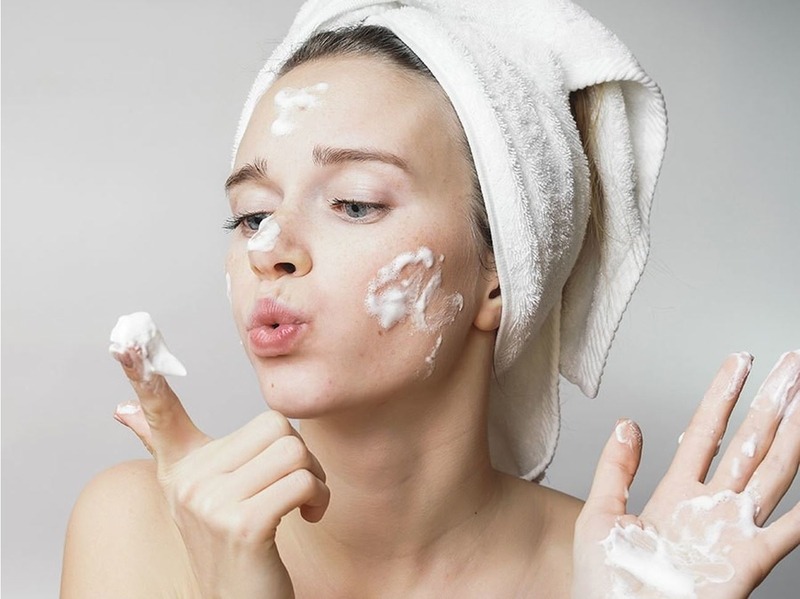
Gentle daily cleansing
Medical-grade cleansing effectively removes sebum without compromising the skin’s protective barrier. It is recommended to wash your face twice daily using a product with a pH of 5.5, complemented by a gentle makeup remover in the evening.
This routine helps keep hair follicles clear and prevents acne breakouts. Consequently, the skin is both soothed and better prepared to absorb subsequent therapeutic treatments.
Use a skin-balancing toner
A medical-grade toner plays a crucial role in restoring the skin’s natural pH balance after cleansing. Opting for a product containing a low concentration of AHAs or BHAs helps to gently exfoliate the skin’s surface.
By keeping the hair follicles clear, this step significantly reduces skin inflammation. Furthermore, it creates an optimal foundation for targeted treatment products to penetrate more deeply and effectively.
Use active ingredients specifically for treating inflammation
Applying a targeted active treatment directly onto a pimple is an optimal solution for eliminating bacteria and rapidly drawing out the core. Experts recommend using gentle, effective ingredients such as Salicylic Acid, Benzoyl Peroxide, or Azelaic Acid at appropriate concentrations.
Simply dab the product lightly onto the affected area to avoid clogging pores or causing widespread dryness and irritation. This approach allows for precise action on the site of inflammation and helps prevent the spread of acne.
Hydrate and restore the lipid barrier
Moisturizing is an essential step that helps restore the lipid barrier and rapidly soothe irritation. Opt for a lightweight serum or moisturizer containing ingredients such as Hyaluronic Acid, Vitamin B5, or Niacinamide.
When the skin is adequately hydrated, the sebaceous glands become less overactive, which facilitates faster healing. This step also helps minimize flaking or peeling often caused by the use of intensive treatment products.
Medically-standardized, intensive treatment protocol for inflammatory acne at HBIO Clinic
For persistent, inflamed acne, professional medical intervention is essential to prevent pitted scarring and permanent skin damage. At HBIO Clinic, our dermatologists conduct in-person consultations and in-depth skin analysis to develop a personalized treatment plan tailored to your specific skin condition.
By combining advanced technology with medical-grade protocols, we eliminate the root cause of acne, restoring your skin to a smooth, natural state. Here is why you should choose us:
- Expert dermatologists personally conduct consultations, diagnose the underlying causes, and create precise, individualized treatment plans.
- We utilize cutting-edge technologies—such as Laser, IPL, and medical-grade chemical peels—to effectively eradicate *C. acnes* bacteria without damaging healthy tissue.
- Our acne extraction procedures follow strict medical standards, ensuring absolute sterility in compliance with Ministry of Health regulations.
- We use authentic therapeutic and restorative products, prescribed at specific concentrations tailored to your skin’s progress at each stage of treatment.
- We offer transparent, publicly listed pricing, along with dedicated post-treatment support and close monitoring until your skin has fully recovered.

Addressing common questions regarding the treatment of inflammatory acne
Accurately identifying the root causes and employing scientific treatment methods will help you break the cycle of recurring acne once and for all. Below, dermatologists provide detailed insights to guide you:
Can facial steaming completely eliminate inflammatory acne?
Facial steaming cannot fully eliminate acne; it only helps soften the outer layer of the skin (the stratum corneum). In the case of inflammatory acne, the heat can actually worsen the existing damage.
What is the most significant side effect of facial steaming when you have inflammatory acne?
Heat causes capillaries to dilate and intensifies redness and inflammation. It also creates a warm, humid environment that encourages bacterial growth and carries the risk of thermal burns on the skin.
Is it safe to steam the face if you have non-inflammatory, “hidden” acne?
You may perform a gentle steam—once a week for 7–10 minutes—to help soften sebum; however, you must strictly avoid this if the hidden acne shows any signs of becoming inflamed.
What should you keep in mind when choosing topical products for inflammatory acne?
You should prioritize lightweight, non-comedogenic products that are free from alcohol and fragrances, and that contain safe, effective active ingredients—such as Azelaic Acid or Salicylic Acid—to help draw out impurities and clear clogged pores.
How long does it take to effectively treat inflammatory acne at HBIO Clinic?
A treatment course that yields visible improvement typically lasts between 4 and 8 weeks, depending on the severity of the acne, your skin’s natural recovery capacity, and how strictly you follow the prescribed treatment plan.
Hopefully, this information provides a clear answer to whether or not you should steam your face when dealing with inflammatory acne, helping you build a medically-sound skincare routine. Discontinuing facial steaming while your skin is inflamed, swollen, or contains pus—and seeking professional dermatological care—will help you eliminate the root cause of the inflammation and restore your skin to a smooth, healthy state.