
 Tiếng Việt

Many people mistakenly believe that acne will disappear on its own after puberty; however, it is actually quite common for individuals to continue experiencing acne well into their 30s. Hormonal imbalances, work-related stress, and lifestyle factors can all trigger inflammatory breakouts. In this article, HBIO Clinic explores the underlying causes in detail.
Why acne persists after the age of 30
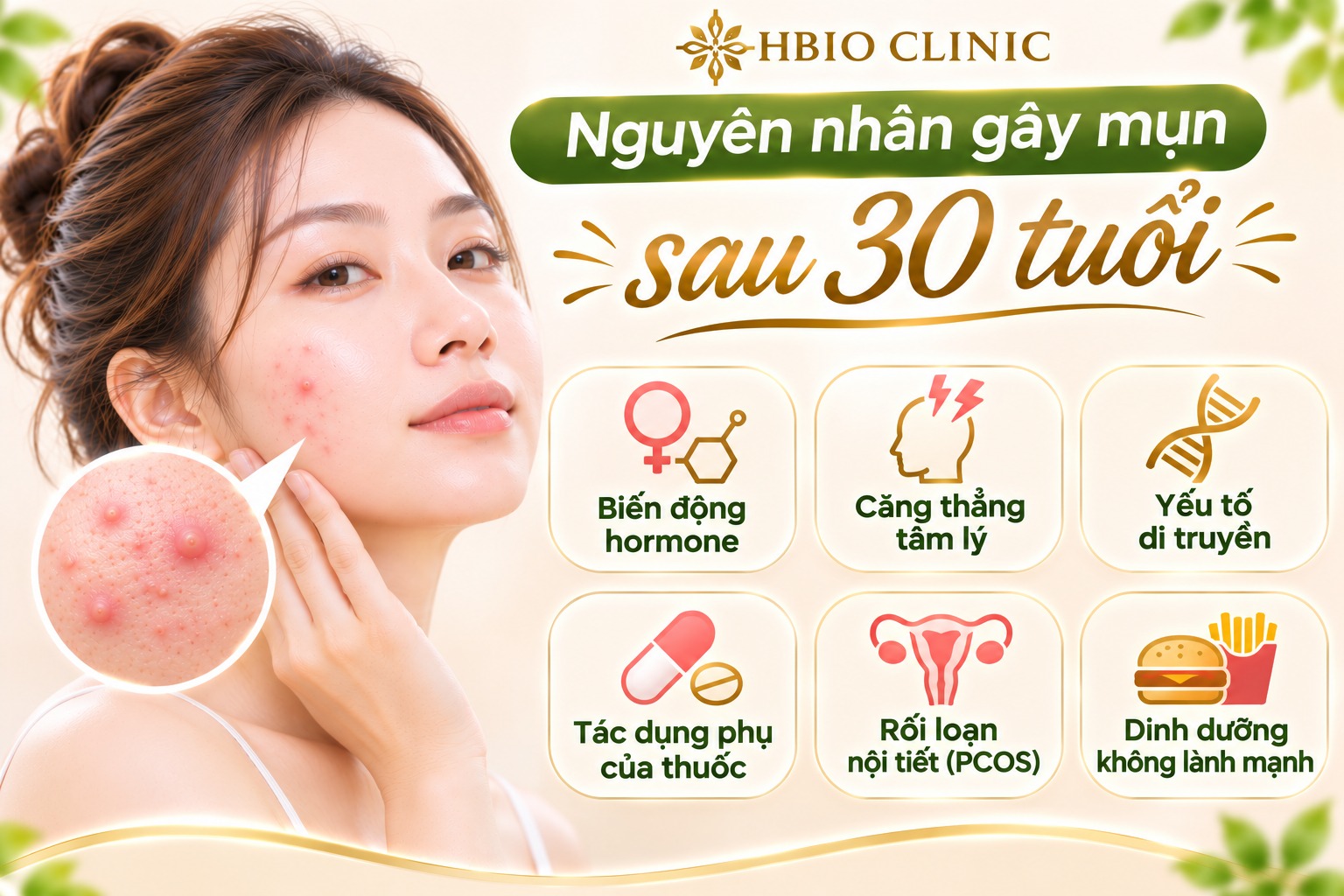
Adult-onset acne – which is particularly prevalent among women – stems from a combination of biological and environmental factors:
- Hormonal fluctuations: Endocrine shifts – occurring during menstrual cycles, pregnancy, perimenopause, menopause, or when starting or stopping contraceptive treatments – are a primary trigger for increased oil gland activity, leading to hormonal acne.
- Psychological stress: Prolonged stress increases the production of androgens, which stimulates sebaceous glands to produce excess oil, clogging hair follicles and triggering inflammation.
- Genetics: A family history of acne significantly increases the likelihood of experiencing adult-onset breakouts, as individuals may inherit a predisposition toward sensitive skin.
- Side effects of medication: Certain systemic medications – such as antidepressants, tuberculosis treatments, or thyroid medications – can cause acne as a side effect.
- Underlying medical conditions: Persistent acne can sometimes be a clinical manifestation of systemic endocrine disorders, most notably Polycystic Ovary Syndrome (PCOS). Unhealthy dietary habits – specifically the frequent consumption of high-glycemic-index foods, fast food, chocolate, cow’s milk, and highly processed starchy items – can increase inflammatory responses and stimulate the sebaceous glands.
Differences between adult-onset acne and pubertal acne
Compared to acne lesions seen during puberty, acne occurring after the age of 30 presents with distinct clinical characteristics:
|
Criteria |
Pubertal Acne | Adult Acne |
| Primary Location | Concentrated in the T-zone (forehead, nose, chin) |
Localized to the U-zone (cheeks, chin, jawline) |
|
Lesion morphology |
Range from comedones (hidden or blackheads) to pustules | Typically present as deep, inflamed, red, and painful papules; prone to causing pitted scarring |
| Affected population | Equal prevalence across both genders |
Predominantly affects females |
|
Pathological characteristics |
Strong response to standard treatment protocols |
Slow response, high risk of drug resistance, and prone to recurrence |
Acne Treatment Methods After Age 30
Treating acne after the age of 30 requires a flexible, multifaceted approach, combining topical active ingredients, prescription systemic medications, and modern, technology-based therapies. Below are effective skin treatment options you may consider:
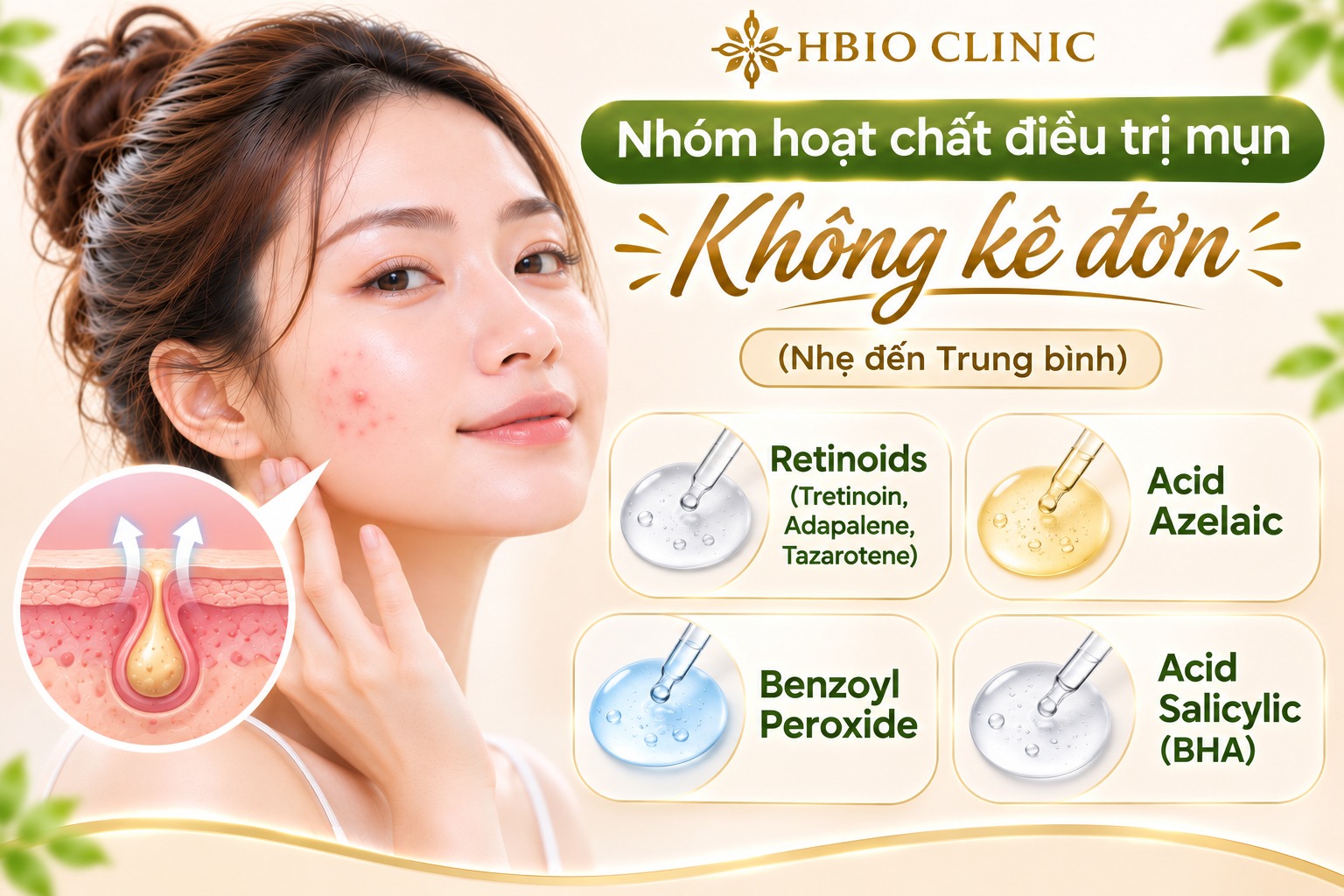
1. Non-prescription (Over-the-Counter) Medical Treatments (For Mild to Moderate Acne)
Dermatologists recommend using a specific active ingredient consistently for 6–8 weeks to evaluate how your skin responds before considering any changes to your treatment regimen. Key ingredients include:
- Retinoids (Tretinoin, Adapalene, Tazarotene): These are core components that help regulate sebaceous glands, reduce inflammation, and accelerate cell turnover. They are highly effective for individuals over 30 in addressing clogged pores (comedones), blackheads, and inflammatory acne.
- Azelaic Acid: Helps combat bacteria, reduce swelling and inflammation, and fade post-acne marks (hyperpigmentation).
- Benzoyl Peroxide: Effectively eliminates acne-causing bacteria. A 2.5% concentration is generally recommended to minimize the risk of skin dryness, stinging, or peeling.
- Salicylic Acid (BHA): Penetrates deeply to cleanse pores and remove dead skin cells; it is particularly effective for whiteheads and blackheads.
2. Prescription Medical Treatments (Moderate to Severe)
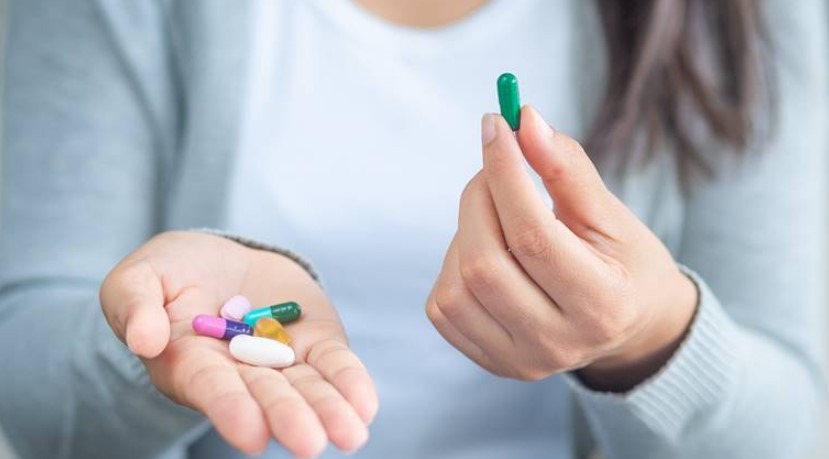
When acne lesions become severe or pose a risk of causing pitted scarring, a specialist may prescribe intensive interventions:
Oral and Topical Antibiotics
Systemic antibiotics – such as Tetracycline, Minocycline, Erythromycin, or Doxycycline—are typically prescribed for a course of approximately 3 months to eliminate *C. acnes* bacterial colonies.
Oral Isotretinoin Therapy
Reserved for severe acne cases that have not responded to other treatments. The medication is administered over a period of 16–20 weeks under strict medical supervision.
Safety Note: Isotretinoin must never be used by women who are pregnant or planning to become pregnant, as it carries a risk of causing serious fetal malformations. Female patients are required to undergo pregnancy testing and must use two reliable forms of contraception concurrently throughout the treatment course.
Triamcinolone Injections for Cystic Acne
Injecting a low-concentration corticosteroid directly into large, inflamed acne cysts helps reduce the acute inflammatory response and prevents the development of pitted scarring.
Endocrine Regulation (Hormone Therapy)
This involves the use of combined oral contraceptives containing Ethinyl Estradiol to suppress androgens in women. This approach requires careful consideration by a physician and is generally contraindicated for individuals with a history of cardiovascular disease, blood clots (thrombosis), breast cancer, or liver disease.
3. Application of modern treatment technologies
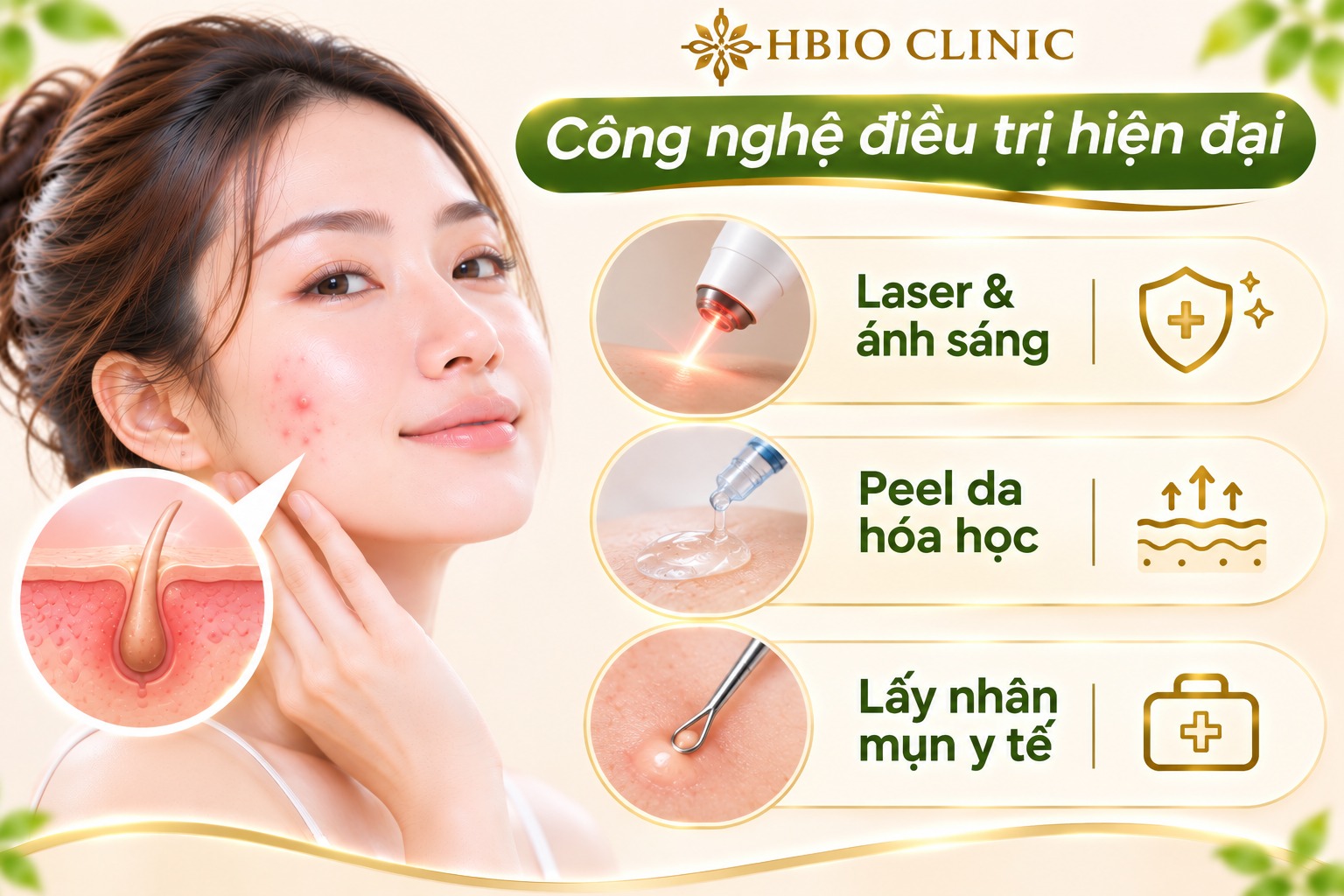
To enhance efficacy and shorten treatment duration, modern techniques for managing acne-prone skin are often integrated into the treatment regimen:
- Laser and light-based therapies: These target and eliminate anaerobic bacteria, destroy the micro-vessels that cause redness and swelling, and support the recovery of damaged skin.
- Chemical peels: The application of organic acids at standardized concentrations to clear clogged hair follicles and remove the rough, outermost layer of dead skin cells.
- Medical-grade acne extraction: The removal of inflammatory acne lesions and cysts using specialized, sterile instruments.
Guidelines for Managing Acne After Age 30
Skin care after 30, combined with a healthy lifestyle, is key to managing this chronic condition:
- Adjust your diet: Increase your intake of fresh produce and antioxidant-rich fruits, and ensure you drink 2–2.5 liters of water daily.
Manage stress: Relieve tension through exercise, meditation, or other healthy relaxation practices. - Maintain a healthy circadian rhythm: Aim for 7–8 hours of sleep per night and try to go to bed before 10:00 PM, allowing your skin sufficient time to recover.
- Cleanse your skin appropriately: Wash your face gently twice a day. Avoid scrubbing, which can strip the skin of its natural moisture.
- Choose the right skincare products: Opt for items labeled “non-comedogenic” (won’t clog pores) and free from alcohol or strong fragrances.
- Focus on hydration and protection: Apply a lightweight moisturizer and sunscreen (SPF 30+) daily to strengthen your skin’s protective barrier.
- Never pick or squeeze acne: Doing so increases the risk of deep tissue damage, infection, and the development of persistent pitted scars.
- Seek professional help early: If you notice an acne flare-up, consulting a dermatologist promptly can save time and money, while minimizing the risk of long-term scarring or dark spots.
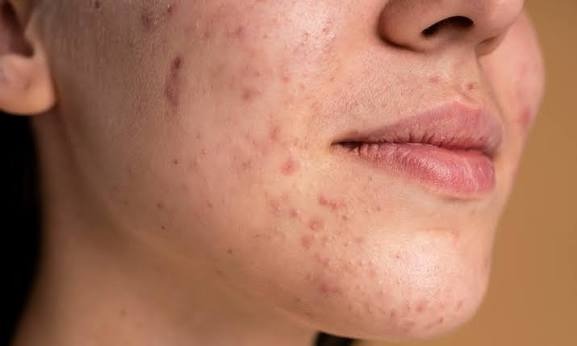
Adult Acne Treatment Protocols at HBIO Clinic
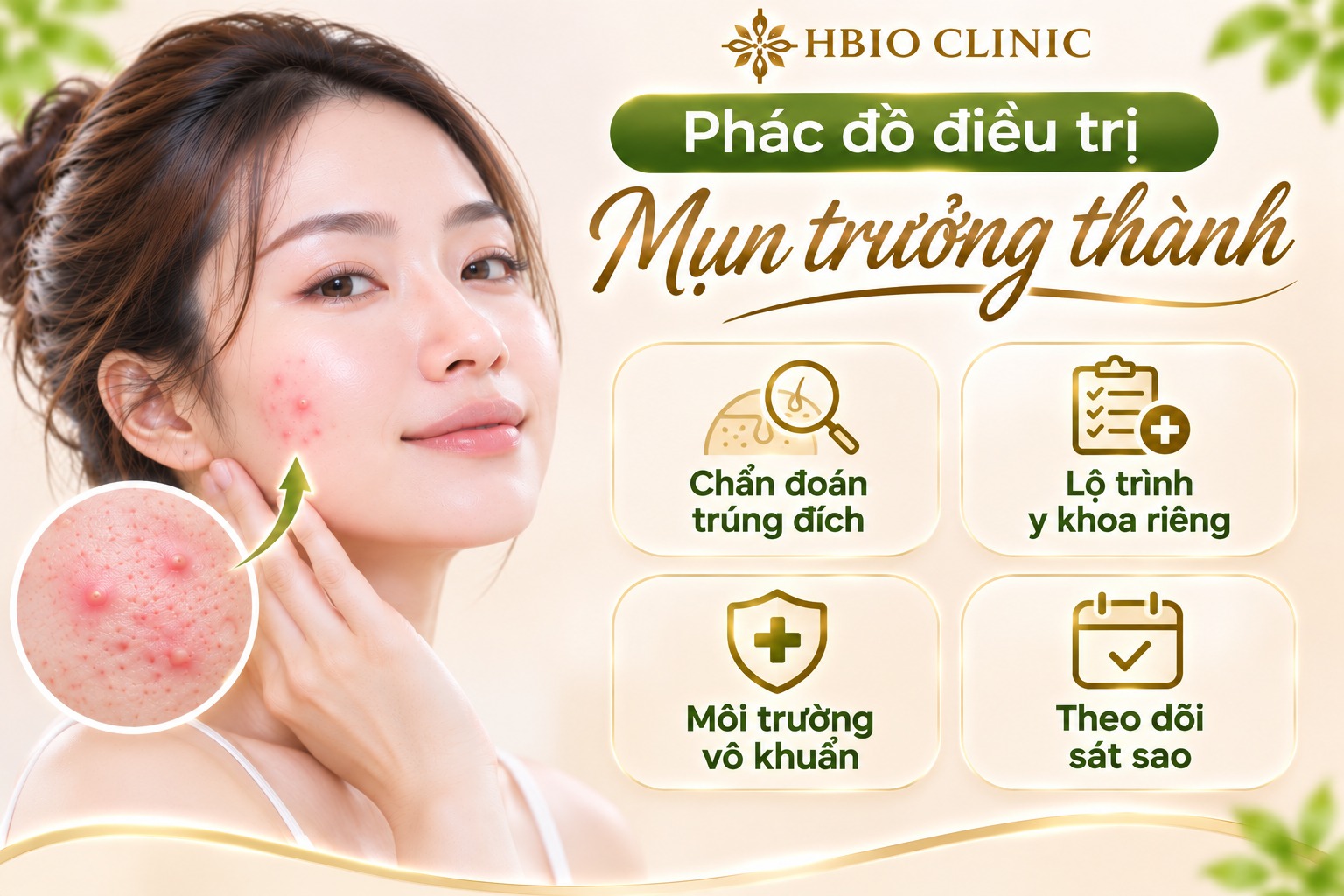
To effectively resolve persistent acne and comprehensively restore skin structure, HBIO Clinic offers intensive, personalized treatment solutions tailored to each client:
- Precise Diagnosis and History Assessment: Our dermatologists conduct thorough consultations and utilize advanced skin-imaging technology to pinpoint the root cause of acne – whether it stems from hormonal factors, cosmetic products, or lifestyle habits.
- Personalized Medical Treatment Plans: Each protocol is uniquely designed and flexibly adjusted based on how the skin responds at different stages, ensuring optimal results.
- Strictly Sterile Environment: All skincare procedures and intensive treatments are performed under medical-grade sterile conditions, minimizing the risk of cross-contamination.
- Ongoing, Close Supervision: Beyond in-clinic treatment, our doctors provide direct guidance on at-home skincare routines and healthy nutritional habits to effectively prevent acne from recurring.
Experiencing acne after the age of 30 is a condition that can be effectively managed, provided you correctly identify the underlying causes and follow an appropriate medical treatment plan. By adopting a healthy lifestyle and seeking professional dermatological care, you can soon restore your skin to a smooth, radiant, and healthy state.