Tiếng Việt

If you are diligent with your skincare routine yet still struggle with persistent acne, it does not necessarily mean you are lazy or following the wrong steps. The cause could stem from pore-clogging cosmetic products, improper cleansing, or deeper, underlying factors such as hormonal imbalances, stress, or lifestyle habits. In such cases, your skin may require a professional, intensive treatment plan rather than just at-home care. Let’s explore this in detail with Hbio Clinic.
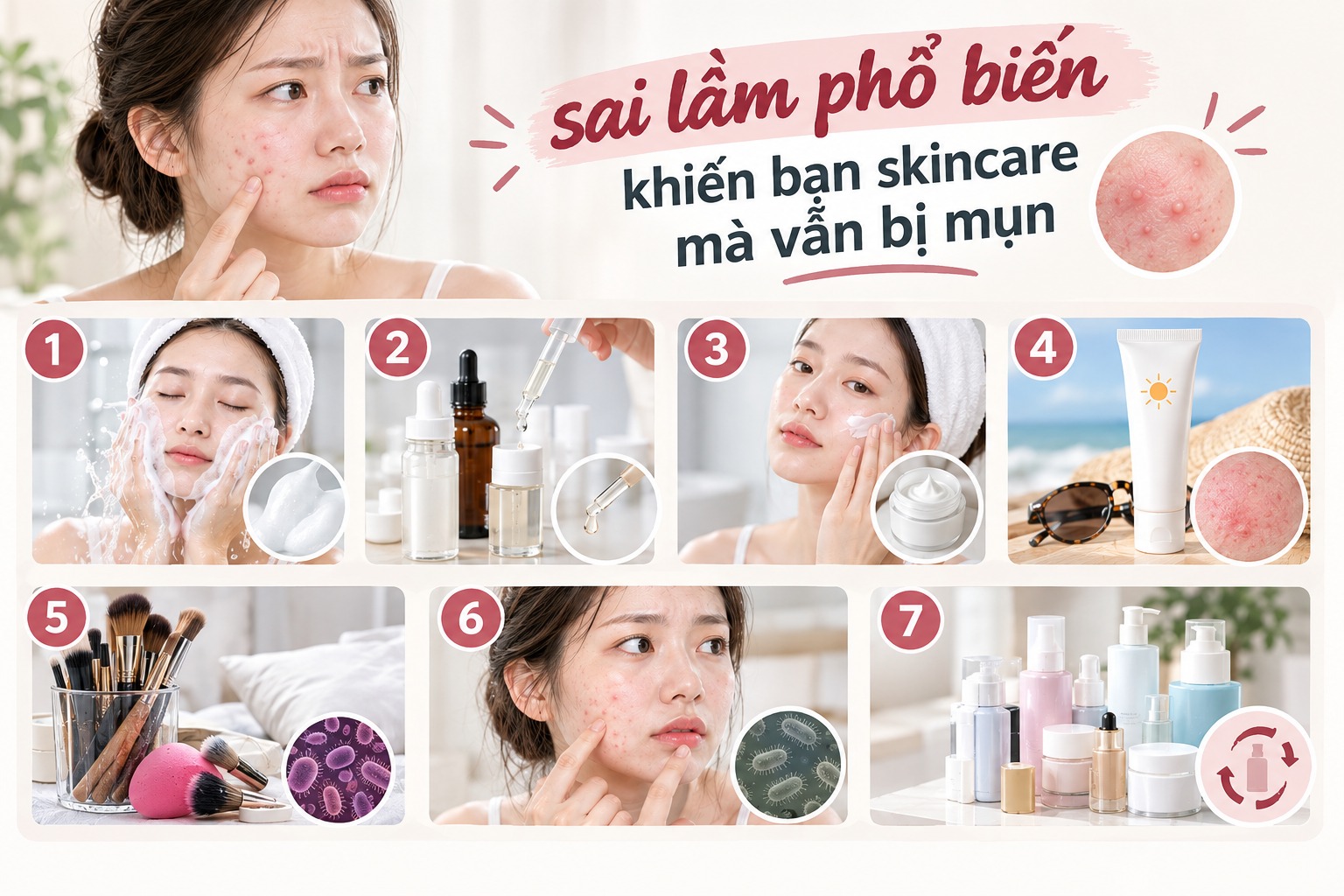
7 Common Skincare Mistakes That Prevent You from Clearing Acne
It is a misconception that simply applying more moisturizer or purchasing expensive skincare products will clear up acne. In many cases where acne persists despite a skincare routine, the issue often stems from one or more of the following fundamental mistakes:
- Over-cleansing: Washing your face too frequently or using harsh cleansers strips the skin of its natural moisture, triggering oil glands to overproduce sebum as a compensatory response.
- Overusing active treatments: Combining potent ingredients like Retinol, AHAs/BHAs, or high-concentration Vitamin C on a compromised skin barrier can easily lead to inflammatory acne flare-ups.
- Skipping moisturizer: The belief that “acne-prone skin doesn’t need moisturizer” is entirely incorrect. Dehydrated skin produces more sebum, which further clogs pores.
- Choosing the wrong sunscreen: Using sunscreens that contain pore-clogging ingredients—especially without thorough makeup removal at the end of the day—can lead to the constant development of comedones (clogged pores) and pustules.
- Neglecting to clean makeup tools and personal items: Failing to regularly wash brushes, sponges, or pillowcases—or repeatedly reusing the same face mask—allows bacteria to accumulate.
- Frequently touching your face: The habit of touching or picking at acne before it is “ripe” (ready to surface) inadvertently pushes bacteria deeper into the skin’s structure. Changing products too frequently: Not allowing enough patience for the skin to adapt (typically 4–6 weeks) and instead constantly switching to new skincare lines.
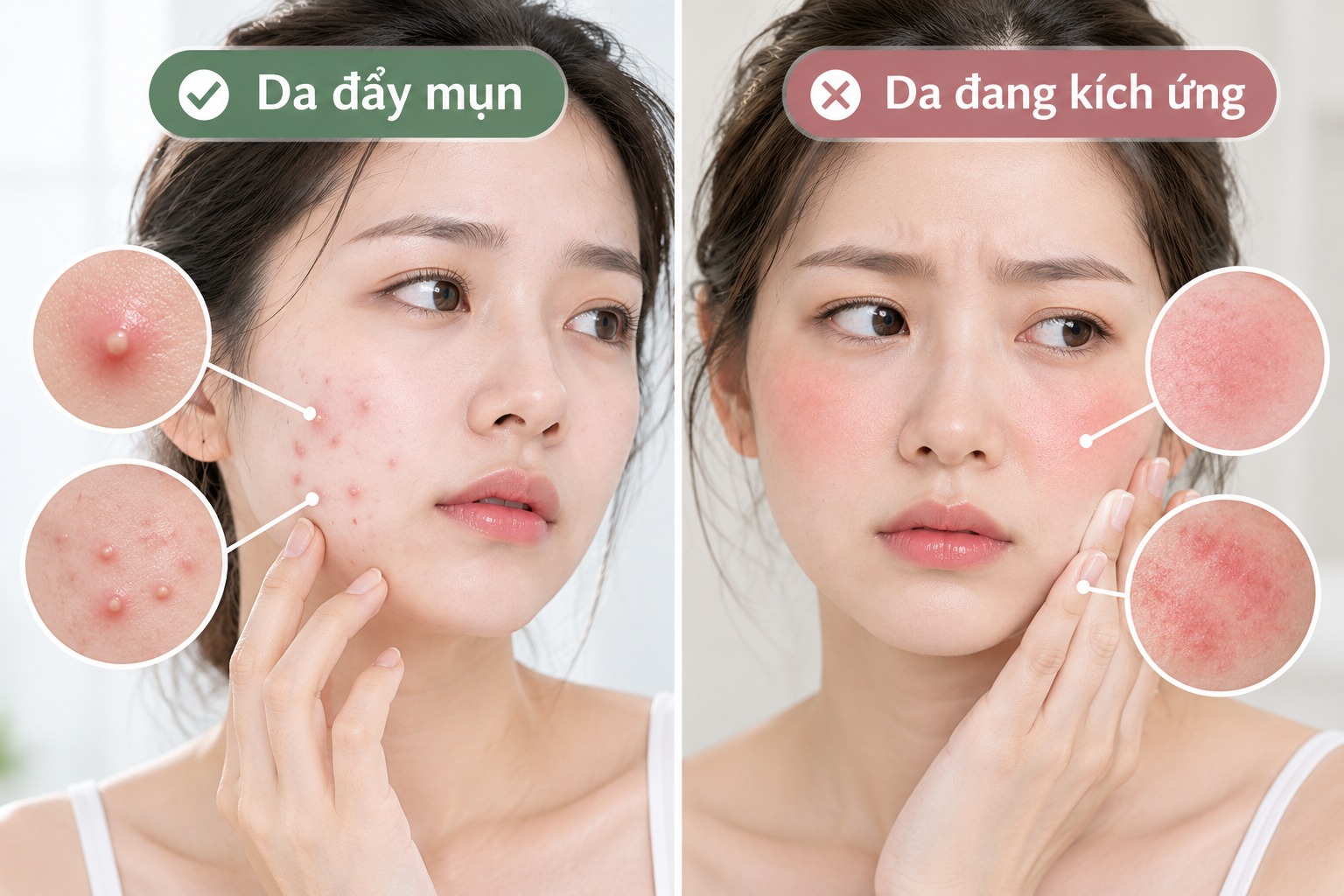
Distinguishing Between Skin Purging and Irritation
Understanding the difference between skin purging and irritation will help you take the right course of action and prevent further damage to your skin:
- Skin Purging: Typically occurs when using products containing BHA, AHA, or Retinol. Breakouts appear in areas where congestion (clogged pores) already existed; these blemishes tend to dry out quickly and resolve within 2–6 weeks.
- Irritation: Occurs when your skin reacts poorly to a product. Breakouts appear suddenly in areas that were previously clear, often accompanied by itching, redness, a burning sensation, or the emergence of tiny, rash-like bumps.
Emergency Steps for Managing Acne Caused by Skincare Products
If you experience a sudden acne breakout after using skincare products, take the following actions:
- Pause the use of targeted treatment products: Stop all Retinol, AHA/BHA, Vitamin C, and other potent treatment serums.
- Simplify your routine to the basics: Stick to only three core steps: a gentle makeup remover → a cleanser with an appropriate pH (~5.5) → a restorative moisturizer.
- Incorporate soothing ingredients: Add products containing ingredients that help repair the skin barrier, such as B5 (Panthenol), Ceramides, Centella Asiatica (cica), or Allantoin.
- Never pick or squeeze your acne: Attempting to pop pimples with unsterilized hands damages skin tissue, often leading to pitted scarring and persistent dark spots.
When is at-home skincare not enough to treat acne?
Topical skincare products primarily act on the epidermis (the outermost layer of the skin). You should seek a professional consultation with a dermatologist if you notice the following signs:
- Severe cystic or nodular acne: Large, painful, inflamed bumps that develop deep under the skin and do not come to a head.
- Rapid, widespread breakouts: Inflammation that spreads across a large area and fails to improve, even after following a simplified, restorative skincare routine for 2–3 weeks.
- Hormonal acne: Persistent, dense breakouts concentrated around the jawline and chin, often recurring in cycles or triggered by stress.
In these cases, a professional medical treatment plan can help address the underlying internal causes and minimize the risk of permanent scarring.
Definitive Acne Treatment Solutions at HBIO Clinic
Attempting to manage an acne breakout on your own is not only a waste of time and money, but it also carries a high risk of leaving behind pitted scars and persistent, deep-seated dark spots. HBIO Clinic offers an intensive treatment protocol that targets the root of inflammation within the dermis:
- One-on-one consultation and professional skin analysis: A doctor will conduct a comprehensive skin assessment to identify the root cause of your acne and develop a personalized treatment plan.
- Medical-grade acne extraction: Performed using 100% sterile instruments with a gentle technique, ensuring the removal of acne lesions without damaging the surrounding tissue or causing scarring and dark spots.
- Advanced technology-based treatments: Utilizing IPL/LED light therapy to eliminate *C. acnes* bacteria, mesotherapy (electroporation) to reduce inflammation, and laser therapy to control oil production—effectively soothing swelling and irritation.
- Dedicated, ongoing support: HBIO Clinic doctors will closely monitor your progress and help you design a minimalist, cost-effective at-home skincare routine.
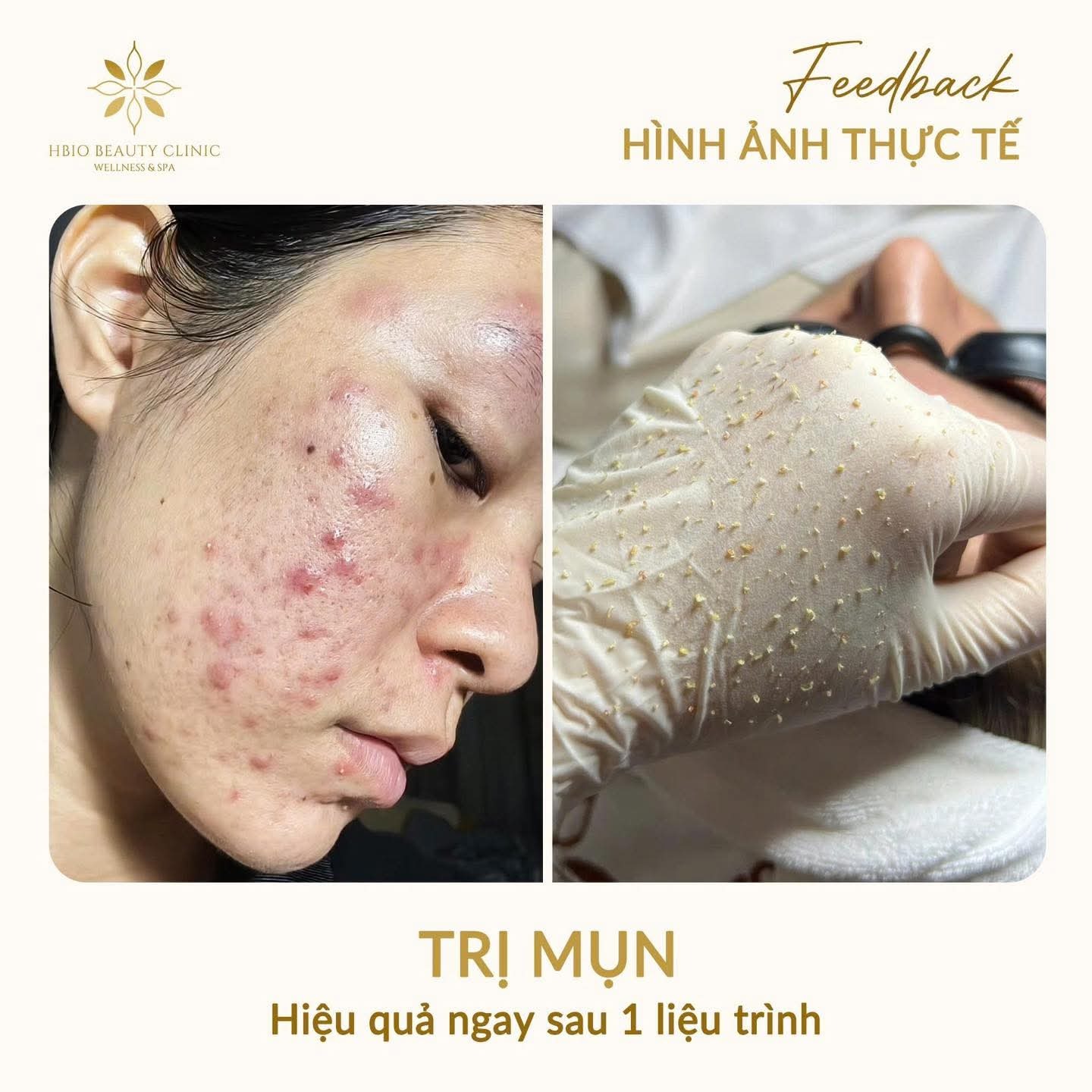
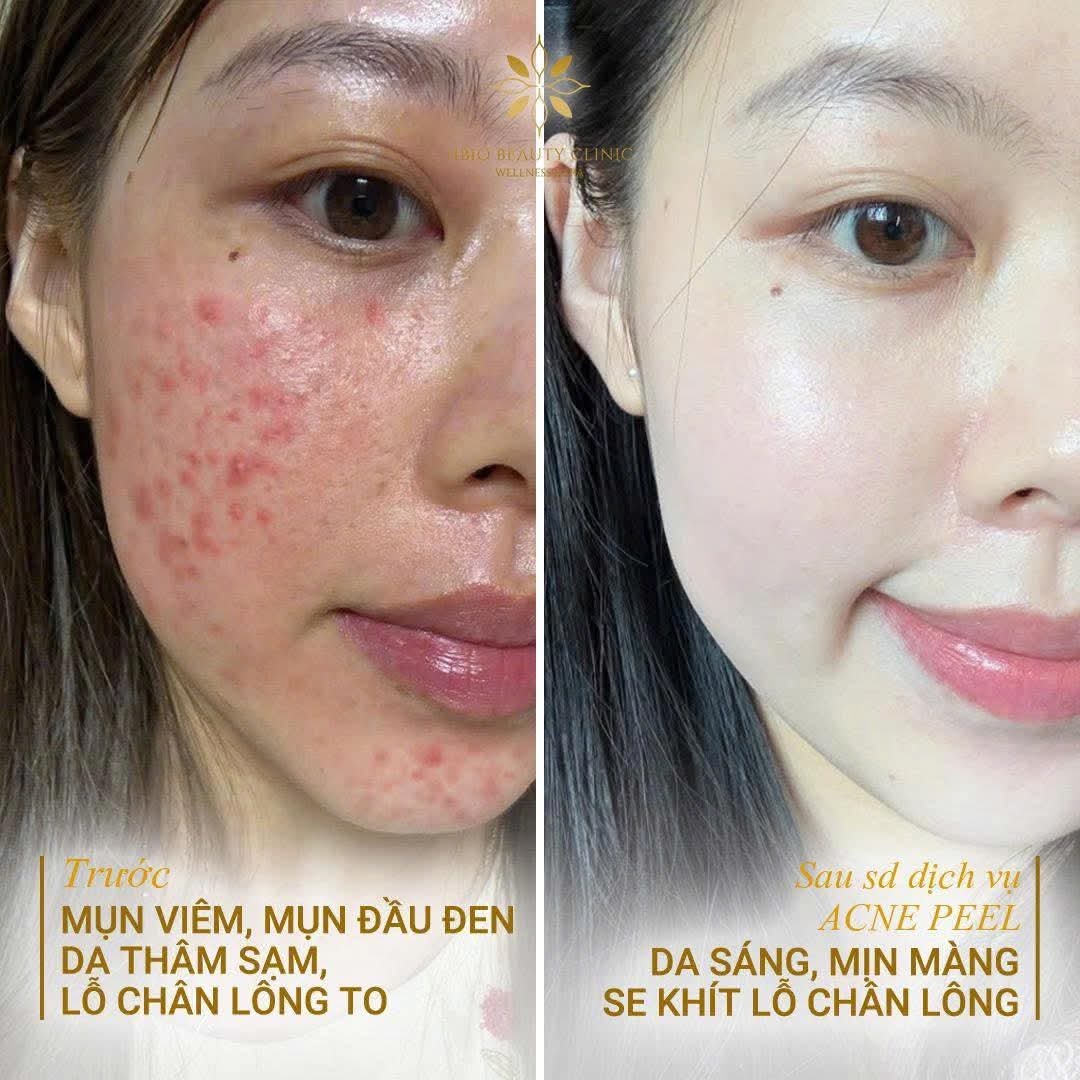
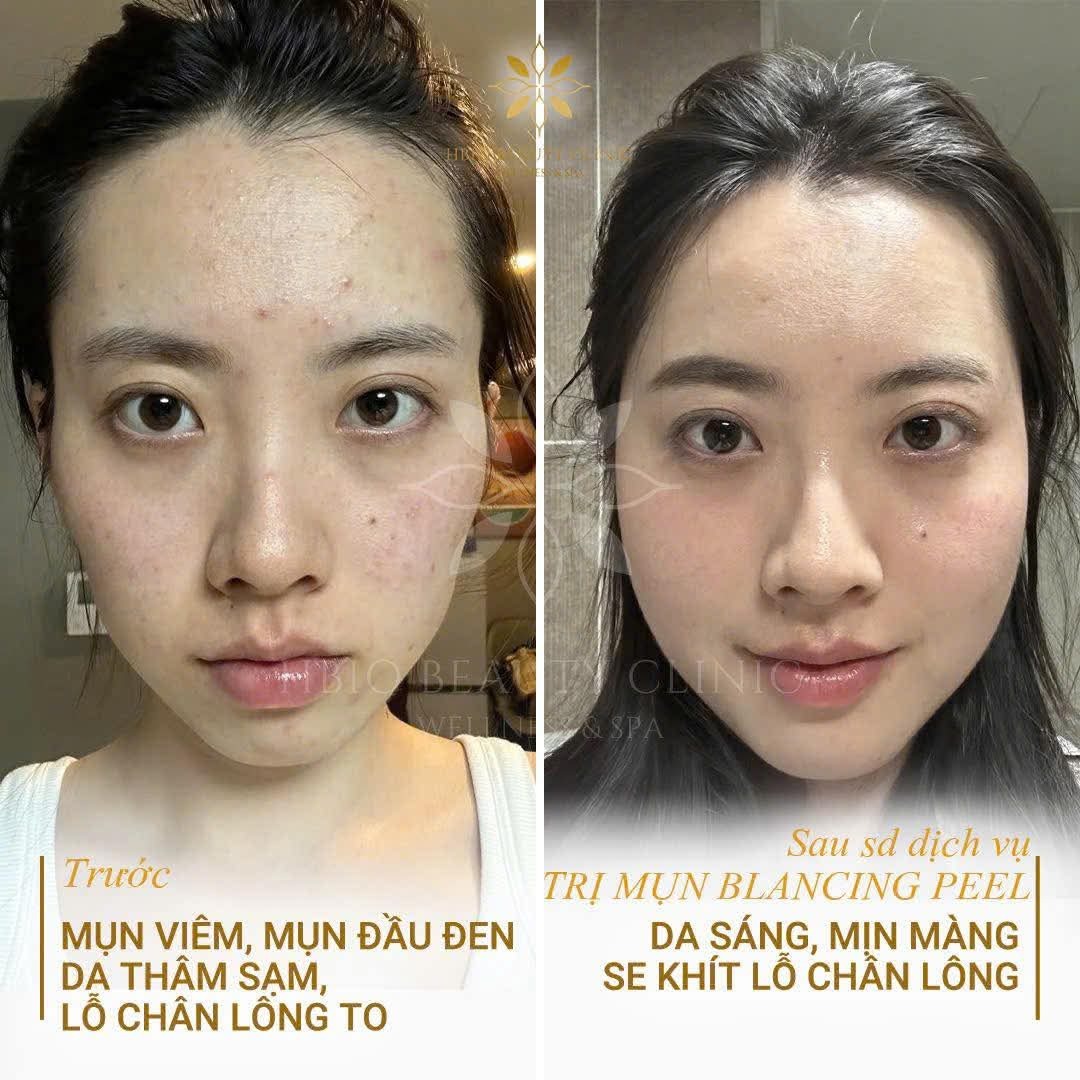
Hình ảnh thực tế điều trị mụn tại HBIO clinic
Frequently Asked Questions About Experiencing Breakouts While Following a Skincare Routine
How long does it take to know if a skincare product is right for you?
Usually, it takes 1 to 2 weeks. If you develop inflammatory acne, itching, or a burning sensation in areas that were previously healthy, you should stop using the new product immediately.
Is it normal to experience breakouts when using Retinol?
It is normal if the product draws out underlying (clogged) acne and helps the lesions come to a head quickly. However, if your skin develops red, itchy, or burning acne, it is a sign of irritation.
Should you stop using sunscreen if you have acne-prone skin?
No, you should not. UV rays can worsen inflammatory acne and lead to deep, persistent dark spots. Opt for a lightweight, non-comedogenic sunscreen instead.
Why does acne keep recurring in the exact same spot?
This may be because the original source of inflammation beneath the skin has not been completely cleared, or due to habits—such as resting your face on your hands or holding a phone against your skin—that cause bacteria to repeatedly accumulate in that area.
We hope this article has helped you understand why you might still be experiencing breakouts despite following a skincare routine, and how to adjust your regimen accordingly. If your skin condition does not improve, contact HBIO Clinic today for a professional skin analysis and a medically-sound treatment plan—completely free of charge!