Tiếng Việt

Static wrinkles are telltale signs of aging, appearing as creases on the face even when facial muscles are at rest. They are primarily caused by a decline in collagen and elastin, compounded by the long-term effects of sun exposure. Join HBIO Clinic as we explore the mechanisms behind their formation and discover modern skin rejuvenation solutions designed to effectively diminish these lines.
What are static wrinkles?
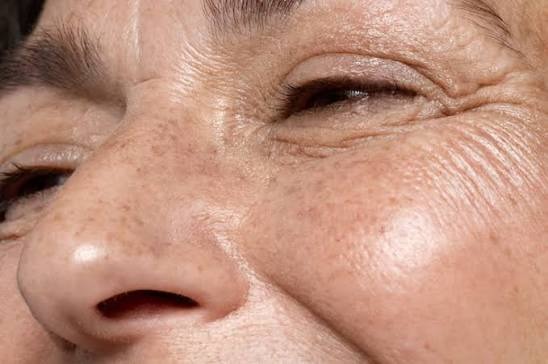
Static wrinkles are deep, clearly defined lines that appear on the skin’s surface even when facial muscles are completely relaxed. They are a direct consequence of the breakdown of collagen and elastin, combined with a natural loss of skin moisture over time.
Comparing dynamic and static wrinkles:
- State: Dynamic wrinkles appear only during facial expressions, whereas static wrinkles remain clearly visible even when facial muscles are relaxed.
- Mechanism: Dynamic wrinkles are caused by the contraction of facial expression muscles; static wrinkles result from a loss of collagen, elastin, hyaluronic acid (HA), and adipose tissue.
- Depth: Dynamic wrinkles are located in the superficial layers, while static wrinkles extend deep into the dermis and subcutaneous tissue, making them more difficult to treat.
- Correction: Dynamic wrinkles are best addressed with muscle-relaxing injections (such as Botox), while static wrinkles require solutions focused on regeneration, volumizing, and multi-layered rejuvenation.
Why do dynamic wrinkles gradually turn into static wrinkles?
The transition from dynamic wrinkles to static wrinkles is a natural aging process driven by a combination of factors. The primary causes of this change in the skin include:
- Decline in Collagen and Elastin: Natural aging, compounded by environmental factors, disrupts the structural support network. This causes the skin to lose its elasticity, preventing it from returning to a smooth state after facial muscles contract and relax.
- Chronic, Repetitive Muscle Folding: Repeated facial expressions—such as smiling, squinting, or frowning—over many years create deep, permanent creases on the skin’s surface.
- Structural Damage from UV Rays (Photoaging): Solar radiation triggers the formation of free radicals, which damage skin cells and accelerate the degradation of the skin’s underlying structural matrix.
- Loss of Moisture and Thinning of Subcutaneous Fat: A decrease in natural hyaluronic acid, combined with the atrophy of subcutaneous fat tissue, leaves the skin dry, thin, and fragile—making it highly susceptible to the formation of permanent wrinkles.
Common causes of static wrinkle formation
The formation of deep lines on the skin is influenced by both internal, natural degenerative processes and external environmental factors. Common causes include:
- Decline in collagen and elastin: Over time, the rate of collagen synthesis decreases by approximately 1% each year, leading to a loss of elasticity and causing the skin to sag.
- Loss of natural moisture: A depletion of hyaluronic acid within the skin’s structural matrix results in dryness, a rough texture, and an increased susceptibility to the formation of folds.
- Reduction of subcutaneous fat: As the volume of the underlying fat layer diminishes with age, the skin loses its natural fullness, creating gaps that manifest as deep furrows.
- UV damage (photoaging): Sunlight triggers the production of free radicals that destroy connective fibers, accelerating the development of wrinkles.
- Repetitive facial expressions: Dynamic wrinkles that appear frequently over long periods—if left unaddressed—can gradually deepen into static wrinkles.
- Unhealthy lifestyle habits: Staying up late, chronic stress, smoking, and a high-sugar diet can all trigger inflammatory responses that damage the skin’s structure.

Areas on the face prone to developing static wrinkles
Certain areas of the face are more susceptible to the effects of aging, either due to constant movement or because the skin in these regions is particularly delicate. Below are the common areas where such lines and creases tend to appear:
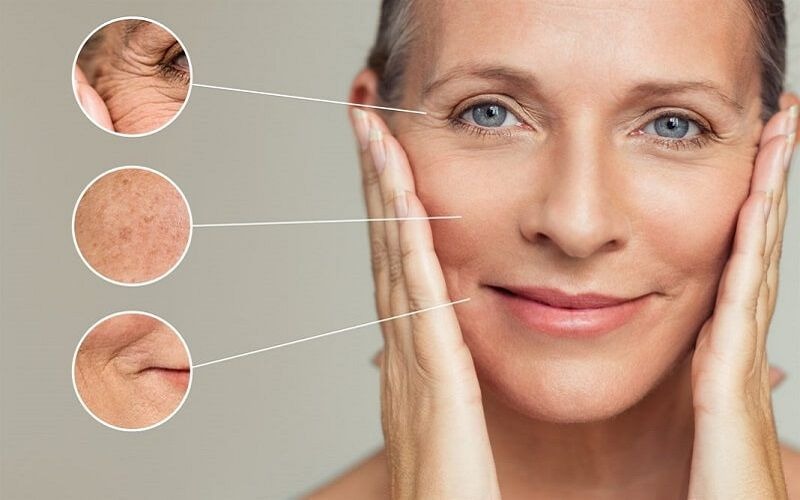
- Forehead: Horizontal lines often develop here as a result of years of habitual brow-furrowing or forehead-wrinkling.
- Around the eyes: “Crow’s feet” extend from the outer corners of the eyes, while fine creases may appear near the lower eyelids—an area where the skin is at its thinnest.
- Nasolabial folds (smile lines): These deep creases run from the sides of the nose down to the corners of the mouth, often making the face appear aged and tired.
- Corners of the mouth and chin: “Marionette lines” run from the corners of the mouth down toward the chin, contributing to an impression of facial sagging.
- Neck: Distinct horizontal creases often form here, as the skin on the neck is thin, contains fewer oil glands, and is frequently overlooked in skincare routines.

Effective methods for diminishing and treating static wrinkles
Applying the right treatment therapies helps restore the skin’s foundational structure, stimulate cell regeneration, and regain a smooth complexion. Depending on the degree of aging, you may choose between at-home care solutions or intensive professional aesthetic interventions:
At-Home Care & Prevention
Maintaining a sound skincare routine is a fundamental step in slowing down the natural aging process. You should use a broad-spectrum sunscreen daily to protect your skin from the damaging effects of UV rays. Incorporating serums that contain hyaluronic acid helps maintain essential moisture, keeping the skin plump and smooth.
Additionally, integrating potent active ingredients—such as retinol, peptides, or vitamin C—can stimulate collagen production and improve skin elasticity. Gentle facial massage can also help enhance blood circulation in the skin.
- Estimated cost: 500,000 VND – 3,000,000 VND per month (depending on the skincare products used).
Non-surgical aesthetic procedures
Modern non-surgical aesthetic solutions offer significant rejuvenation results without the need for surgery or extended recovery periods. Depending on your specific condition, a physician will recommend the most appropriate method to restore skin firmness:
- Dermal Fillers / Biostimulators: These replenish lost volume in deep folds and stimulate the natural production of collagen. (Estimated cost: 5,000,000 VND – 15,000,000 VND per mL)
- Mesotherapy (including BAP, Exosomes, or PRP): This involves delivering nutrients, non-cross-linked hyaluronic acid (HA), or growth factors into the dermis to provide deep hydration and smooth the skin’s surface. (Estimated cost: 2,500,000 VND – 10,000,000 VND per session)
- High-Intensity Focused Ultrasound (HIFU): This technology targets the superficial musculoaponeurotic system (SMAS) to lift the skin, tighten collagen fibers, and improve sagging. (Estimated cost: 8,000,000 VND – 25,000,000 VND per treatment course)
- Radiofrequency (RF) / RF Microneedling: This uses thermal energy to firm skin tissue, shrink pores, and smooth out fine lines. (Estimated cost: 3,000,000 VND – 18,000,000 VND per session)
- Rejuvenation Lasers (Fractional CO2 / Erbium / Nd:YAG): These treatments resurface the skin, promote cell turnover, and diminish the appearance of wrinkles and skin texture irregularities. (Reference cost: 4,000,000 VND – 12,000,000 VND per session)

Do static wrinkles go away on their own?
Static wrinkles cannot resolve on their own, as they are signs of structural aging resulting from the breakdown and depletion of collagen, as well as long-term damage to the subcutaneous supporting tissue.
To diminish or eliminate these persistent lines, professional medical interventions—such as dermal fillers, laser resurfacing, or chemical peels—are necessary.
A safe destination for beauty treatments and addressing static wrinkles
HBIO Clinic is a leading, reputable aesthetic clinic specializing in comprehensive, personalized rejuvenation solutions for every client. Committed to delivering natural-looking results with a focus on safety, the clinic consistently integrates advanced, medically-approved technologies.
Here is why you should choose HBIO Clinic:
- Expert Medical Team: Every client receives direct consultation, assessment, and treatment from highly experienced dermatologists.
- Cutting-Edge Technology: All equipment meets international safety standards (FDA, CE), ensuring optimal rejuvenation results.
- Personalized Treatment Plans: Each treatment protocol is uniquely tailored to the individual’s specific skin condition, maximizing efficiency in terms of both time and cost.
- Authentic Products: All serums, fillers, and boosters used are sourced from verified origins, with full transparency regarding product information.
- Luxurious, Medical-Grade Environment: Procedures are conducted under strictly sterile conditions, ensuring a relaxing and comfortable experience for every client.

Addressing questions regarding the removal of static wrinkles
Expert insights to help you better navigate your skincare routine:
1. Can topical creams completely erase static wrinkles?
Topical creams only act on the epidermis, providing hydration and softening fine, superficial lines. For deeper, established wrinkles, you will need to incorporate advanced aesthetic treatments that target the dermis and subcutaneous layers.
2. At what age do static wrinkles typically appear?
Generally, the decline in collagen begins at age 25, but static wrinkles usually become clearly visible between the ages of 30 and 40. However, without proper sun protection and consistent skincare, they may appear even earlier.

3. Is it painful to treat static wrinkles using high-tech procedures?
Most modern methods are non-invasive or minimally invasive. Before the procedure, a topical anesthetic is carefully applied, ensuring a gentle treatment process with only a mild, prickling sensation.
4. How long do the results last after filler injections or skin-lifting procedures?
Depending on the specific method used and the individual’s physiology, results typically last anywhere from 6 months to 2 years. Maintaining a good skincare routine at home will help prolong these rejuvenation results.
5. Is it advisable to combine filler injections with skin-lifting technologies?
Yes. Combining multiple technologies—for instance, using HIFU for lifting alongside fillers for volume restoration—effectively addresses both skin laxity and volume loss, delivering comprehensive rejuvenation.
Taking a proactive approach to prevention and choosing the right treatment methods for static wrinkles will help you preserve a youthful appearance for longer. Maintain a sound skincare routine and consult with a medical specialist to achieve smooth, vibrant, and revitalized skin.