Tiếng Việt
Among the various chemical peel methods, the glycolic acid peel is considered the gold standard for addressing a wide range of epidermal imperfections. Thanks to its ultra-small molecular size, this active ingredient penetrates deep into the skin layers to remove the layer of aged, dead skin cells, resulting in a smooth, youthful complexion. In the article below, Hbio Clinic provides comprehensive information about this treatment—please read on to learn more.
What is the Glycolic Acid peel?
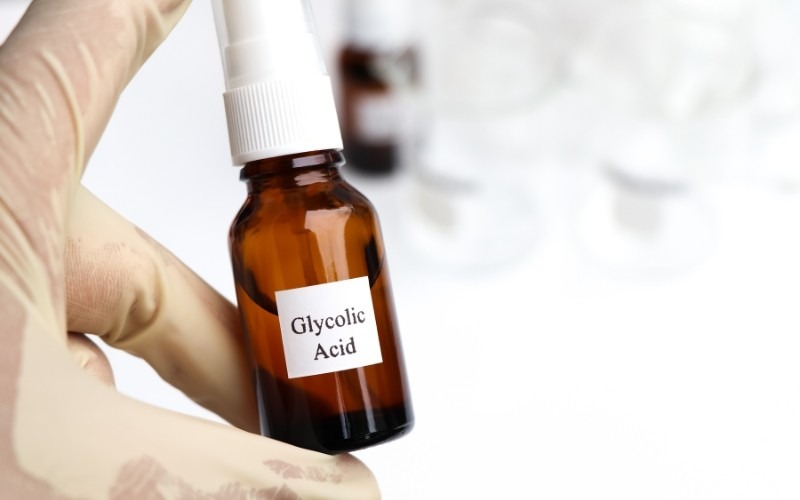
The glycolic acid peel is a skin rejuvenation treatment that utilizes Glycolic Acid (an Alpha Hydroxy Acid or AHA derived from sugar cane) at an appropriate concentration to induce controlled micro-injuries to the skin.
The process works by loosening the bonds between dead skin cells and stimulating the natural exfoliation mechanism, while simultaneously activating fibroblasts to produce new collagen and elastin.
Key benefits of Glycolic Acid peels
Glycolic acid peels offer significant advantages for improving overall skin quality:
- Acne treatment and shallow scar reduction: The active ingredient deeply cleanses accumulated sebum and clears clogged hair follicles, thereby controlling acne-causing bacteria and helping to fill in minor acne scars.
- Even skin tone and fading of pigmentation: Glycolic acid peels rapidly remove surface pigmentation, helping to fade brown spots, freckles, and post-acne marks.
- Rejuvenation and wrinkle improvement: By stimulating deep-layer collagen production, the treatment enhances elasticity, prevents aging, and improves skin firmness.
- Addressing ingrown hairs: The exfoliation process releases hairs trapped beneath the skin’s surface, keeping the skin clear and smooth.
Pros and Cons of Glycolic Peels
Understanding the pros and cons helps you set realistic expectations for the treatment:
Pros of Glycolic Peels
- The procedure is quick; it does not cause intense pain, though a mild stinging sensation may occur during the first few minutes.
- There is absolutely no prolonged downtime; you can resume normal activities immediately after the skin is soothed.
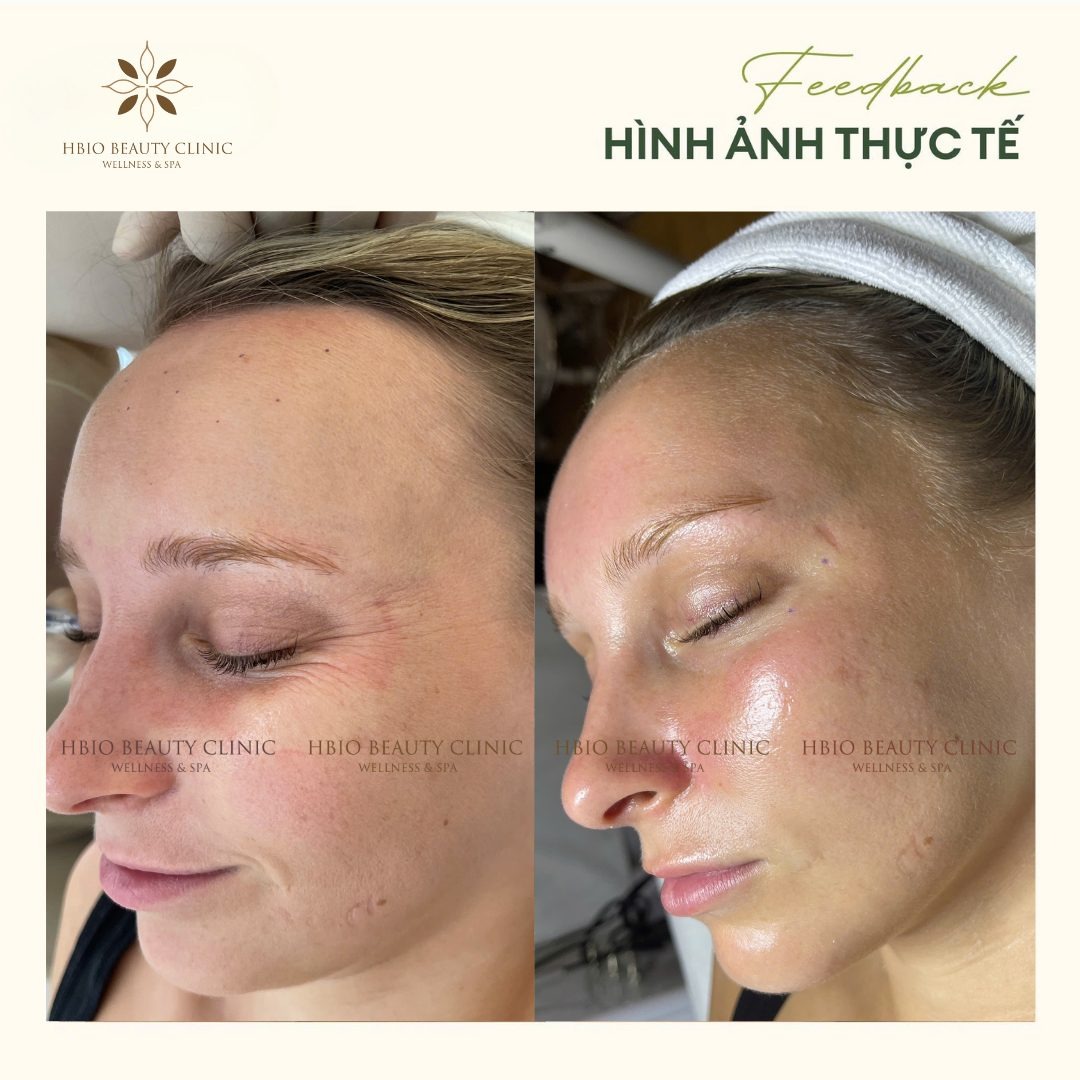
- Noticeable improvements in skin smoothness and brightness can be seen after just 2–4 glycolic acid peel sessions.
Cons of Glycolic Peels
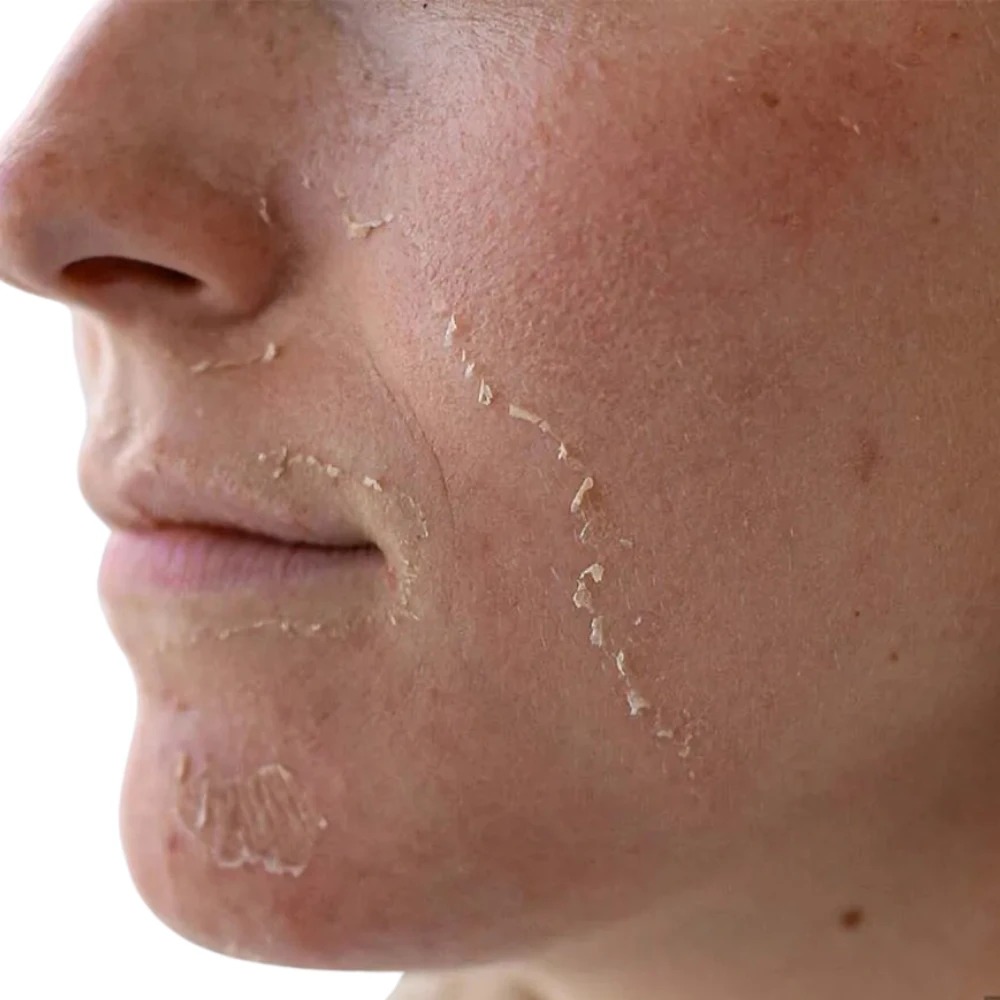
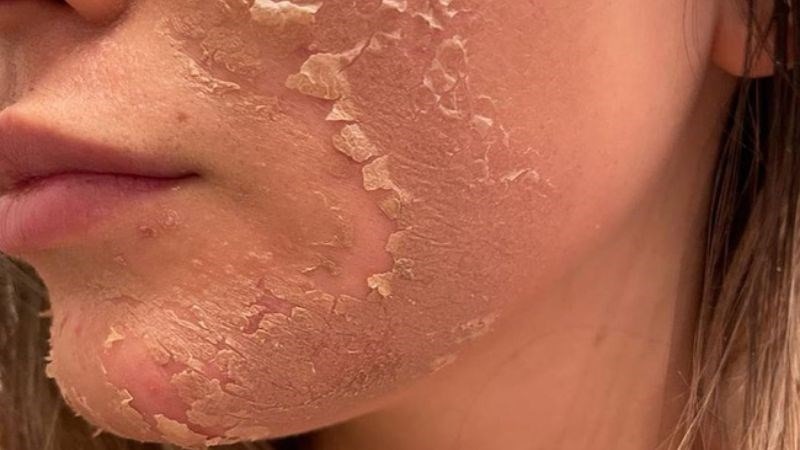
- The skin may appear slightly red or experience mild peeling during the first 3–5 days.
- Performing glycolic peels at home with the wrong concentration carries risks such as chemical burns, contact dermatitis, or post-inflammatory hyperpigmentation (PIH).
Who is suitable for Glycolic Acid peels?
Thanks to its ultra-small molecular size and multi-layer action, dermatologists recommend glycolic acid peels for the following cases:
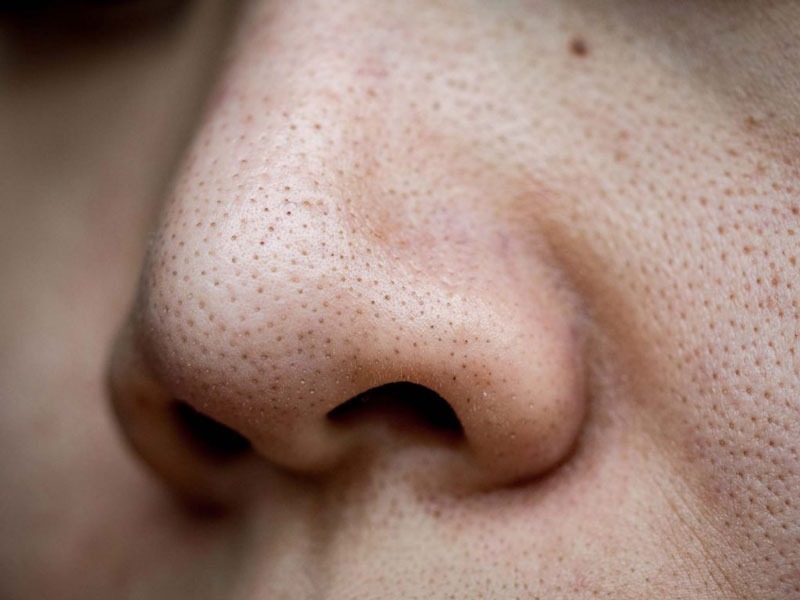
1. Individuals with clogged pores (comedones) and blackheads
A thick stratum corneum clogs hair follicle openings, causing excess oil to accumulate; glycolic peels help exfoliate dead skin cells and bring acne plugs to the surface quickly.
2. Individuals with dull or uneven skin tone
Those with rough, coarse skin texture, or those dealing with post-acne marks, brown spots, or mild sun-induced freckles.
3. Individuals showing early signs of aging
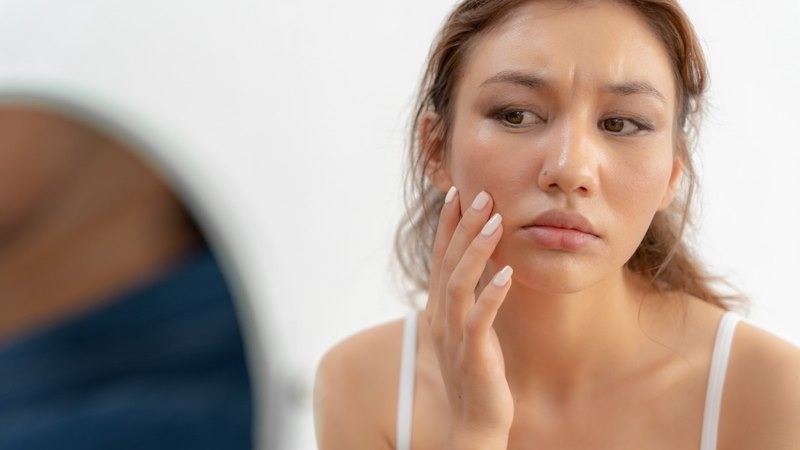
For skin that lacks firmness and exhibits fine lines around the eyes or mouth, deep-layer collagen production needs to be stimulated.
4. Individuals with enlarged pores or ingrown hairs
Helps deeply cleanse sebum plugs and release hairs trapped beneath the follicle, leaving the skin surface clear and smooth.
Reference pricing for Glycolic Acid peels
Currently, the market price for a medical-grade glycolic acid peel typically ranges from 800,000 to 2,500,000 VND per session, depending on the specific goal—whether it is skin brightening, drawing out acne, or deep-layer rejuvenation.
To determine the exact cost and the most suitable treatment plan, it is recommended that you visit a reputable aesthetic clinic for a consultation. A dermatologist will perform a detailed skin analysis and advise you on the appropriate pricing.
Medical-grade Glycolic Acid peels at HBIO Clinic
To ensure maximum effectiveness while eliminating the risk of burns or hyperpigmentation, HBIO Clinic has established safety protocols backed by clear medical standards:
100% of consultations are conducted directly by dermatologists
Doctors use multi-layer AI skin analysis technology to accurately measure keratin thickness and pigmentation levels, allowing them to precisely calibrate the acid concentration and contact time for each specific area of the face.
Internationally Standardized Active Ingredients
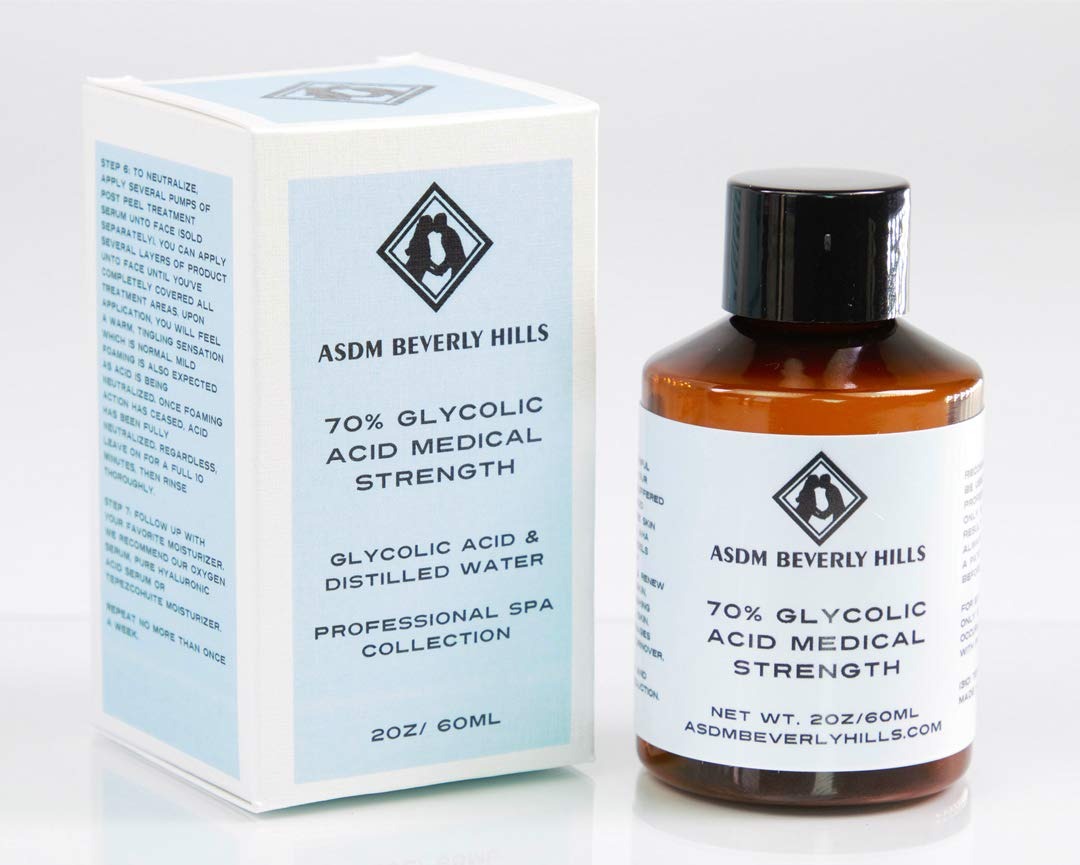
We are committed to using genuine, imported glycolic peel solutions that are certified safe by the FDA (USA) and CE (Europe); these solutions gently exfoliate dead skin cells without damaging healthy tissue.
Multi-layer recovery immediately after the peel
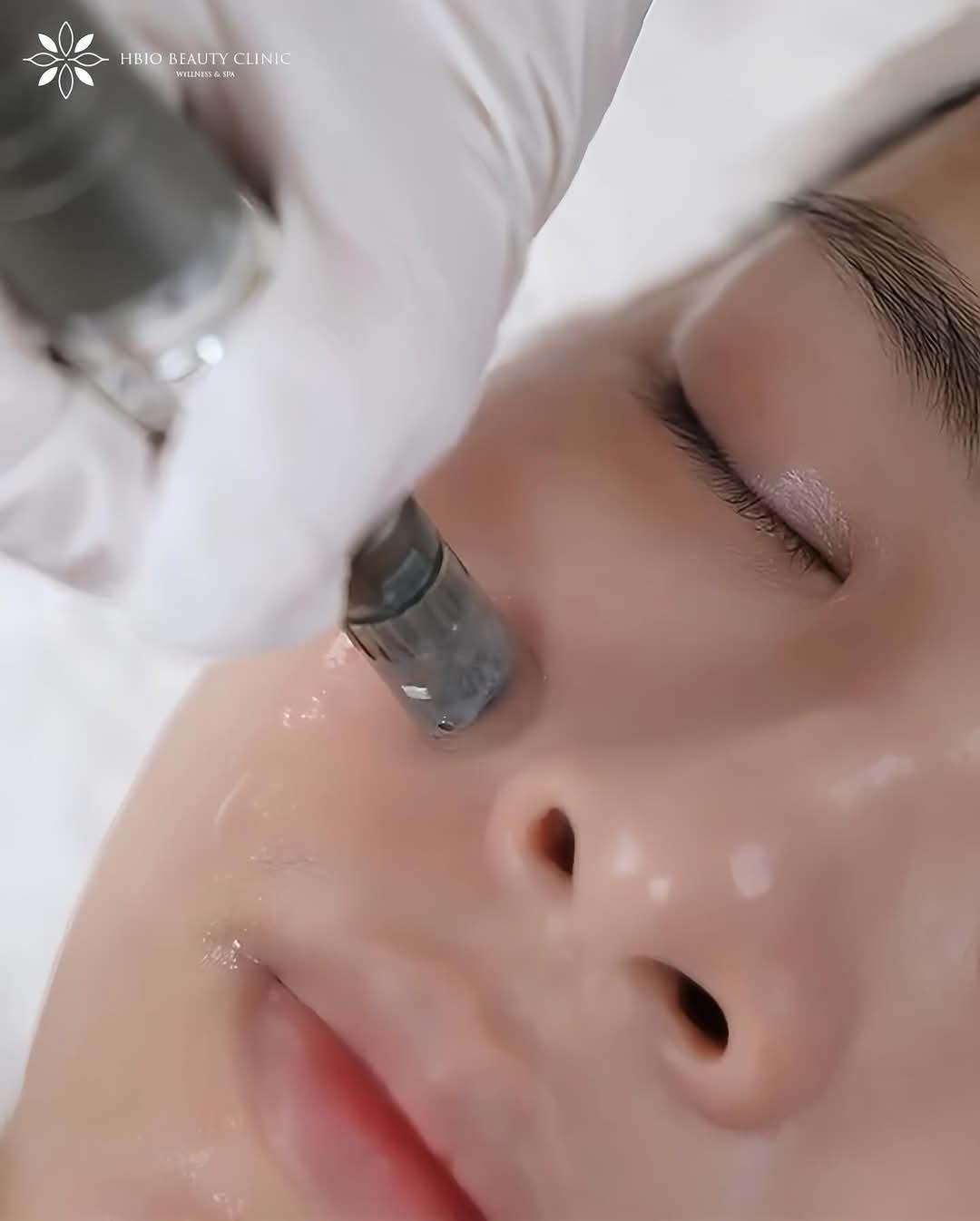
Redness is reduced and stinging sensations are instantly soothed through a combination of multi-molecular HA cold electrophoresis and bio-light therapy, stabilizing the skin immediately with no downtime required.
Strict sterility
All instruments and procedural steps strictly adhere to medical sterilization standards, completely eliminating the risk of infection or cross-contamination.
Guidelines for Pre- and Post-Glycolic Peel Skincare
Proper care is crucial for optimizing results after the procedure:
Before the peel
Discontinue the use of products containing Retinoids, BHAs, or strong exfoliating acids for 7 days; do not undergo the procedure if there are open wounds on the skin.
After the peel
- Avoid washing your face with water for the first 4–6 hours; thereafter, cleanse gently using only normal saline or a mild cleanser.
- Do not pick at or peel off the regenerating skin as it naturally sloughs away; doing so can lead to dark spots or scarring.
- Apply a broad-spectrum SPF 50+ sunscreen consistently every day and ensure adequate sun protection when outdoors.
- Apply moisturizers containing B5, Ceramides, and Hyaluronic Acid to accelerate epidermal recovery following the glycolic acid peel.
Frequently Asked Questions About Glycolic Acid Peels
Should I get a Glycolic Acid peel if I have clogged pores (hidden acne) and blackheads?
Yes. Glycolic acid peels help soften acne plugs, clear blockages, and rapidly dry out hidden acne, making subsequent extraction much easier.
How often should the peel be performed?
A safe frequency for glycolic acid peel treatments is typically every 2 to 4 weeks, depending on your skin’s recovery rate and the specific recommendations of your dermatologist.
Can I get a peel if I have open wounds?
You should absolutely not undergo a peel if you have open wounds—such as from recent acne extraction or a skin tear—as it could worsen your skin condition.
If you are looking for a safe solution to treat your skin, address acne, and resurface your complexion, contact HBIO Clinic today. Our specialists will examine your skin and recommend the most suitable glycolic acid peel treatment for you.