Tiếng Việt
In the field of modern aesthetics, bio-stimulating agents are gradually replacing traditional invasive procedures. Among them, PCL has emerged as a comprehensive solution for individuals dealing with aging skin or long-standing pitted scars. This article by Hbio Clinic provides a detailed explanation of what PCL is and outlines the key indications for using this agent to restore skin structure.
What is PCL? An overview of this next-generation biomaterial
PCL is not an unfamiliar substance in the medical field; it is an agent that stimulates sustained collagen production. Unlike conventional fillers, which merely provide volume by occupying space, PCL acts as a “scaffold” that enables skin cells to regenerate on their own.
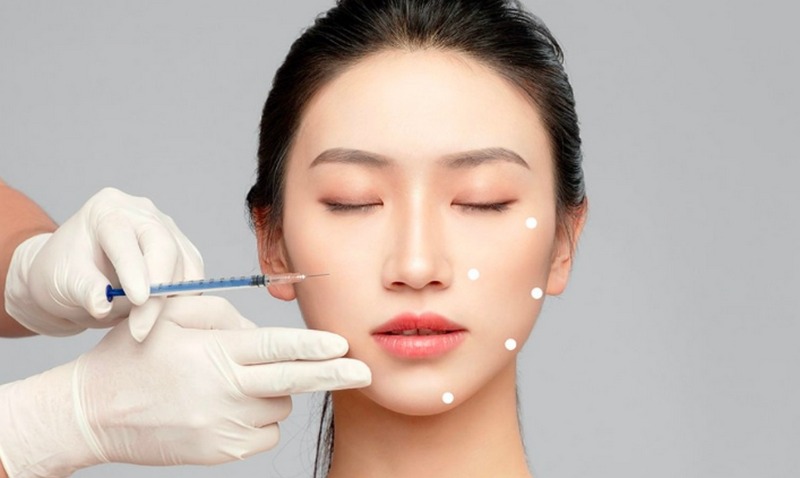
Use of PCL in treating pitted scars
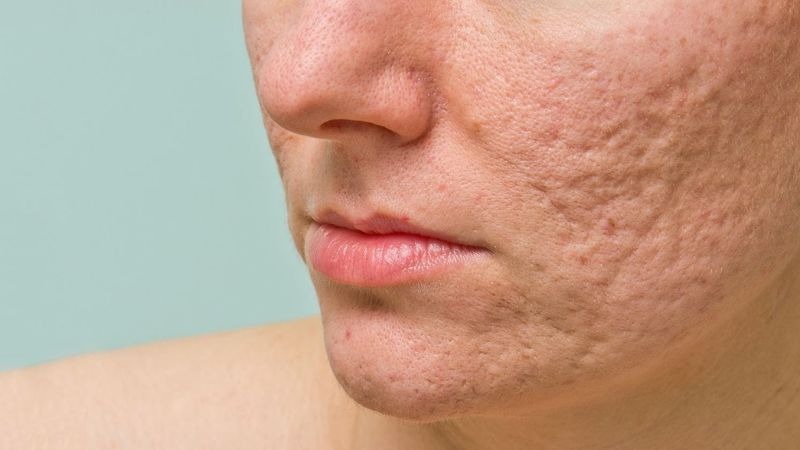
PCL treatment for pitted scars is one of the most significant applications of the material, offering hope for skin that has suffered deep damage due to acne or accidents. Doctors typically prescribe PCL for depressed scars resulting from:
- Sequelae of severe acne (boxcar scars, rolling scars).
- Post-chickenpox scarring.
- Depressed scars formed after trauma or surgery.
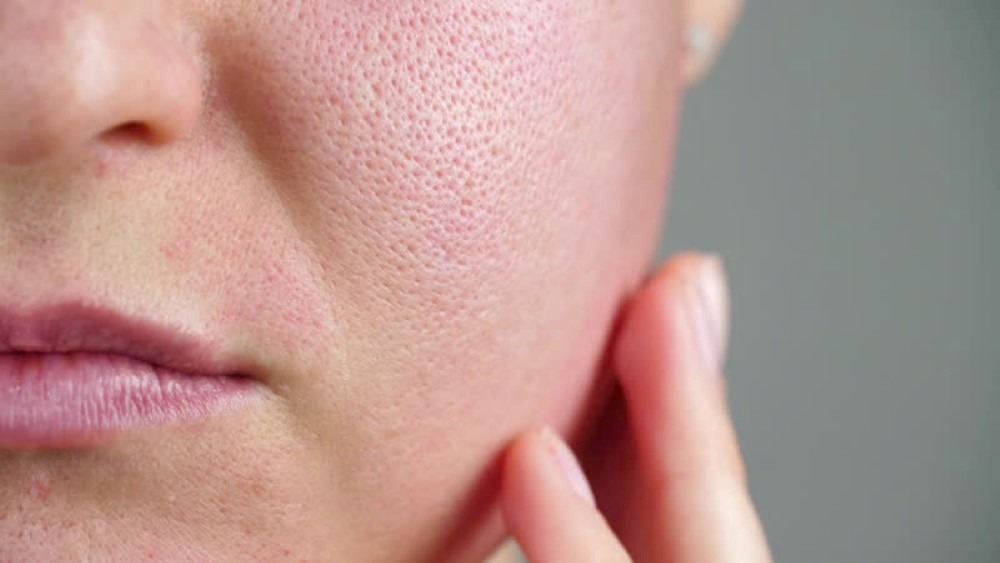
The mechanism of action of PCL in treating pitted scars
When this active ingredient is introduced into the dermis, it creates an immediate support network that lifts the tissue. However, its true value lies in the subsequent phase: PCL microspheres stimulate fibroblasts to vigorously produce Type I and Type III collagen.
This process naturally fills the scar depressions from the bottom up. Treating pitted scars with PCL not only smooths the surface but also significantly improves the texture and thickness of the underlying skin in the scarred area.
PCL Applications for Skin Rejuvenation
Beyond its ability to correct atrophic scars, PCL is regarded as a “star” in the field of deep-layer biological skin rejuvenation. Rather than offering merely a temporary tightening effect, this active ingredient provides a comprehensive solution for facial structural regeneration through the following key benefits:
1/ Filling static wrinkles and lines
Upon entering the dermis, PCL microspheres stimulate the continuous production of Type I and Type III collagen. This supports and smooths out fine lines around the eyes (crow’s feet), the corners of the mouth (smile lines), and forehead wrinkles, all without causing facial expressions to appear stiff or frozen.
2/ Facial lifting and jawline contouring
PCL acts as a “micro-scaffold” system that tightens loose connective tissue fibers. It visibly improves sagging in the cheek and jawline areas, delivering a natural, slimming effect.
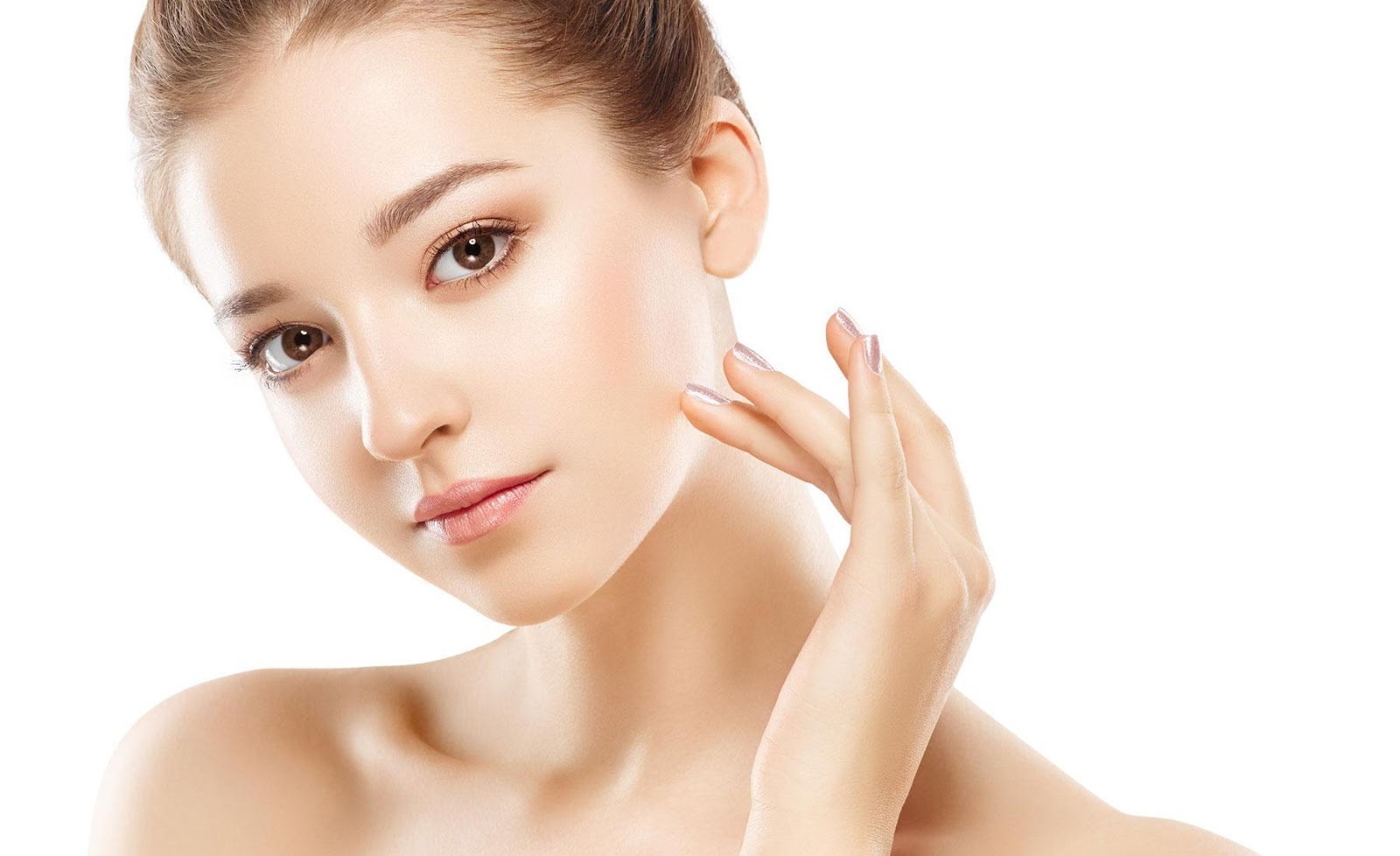
3/ Improving skin quality and dermal thickness
The formation of a new collagen and elastin network helps minimize pores, restore elasticity, and thicken a thin, weakened dermis, resulting in skin that is radiant, firm, and evenly toned from within.
Using PCL for skin rejuvenation offers superior, long-lasting benefits compared to conventional fillers. Even after PCL microspheres have naturally hydrolyzed and been eliminated from the body via metabolic processes—typically within 18–24 months—the newly regenerated autologous collagen continues to maintain the skin’s elasticity and youthful appearance.
How does PCL differ from HA and other fillers?
Although all are used to correct imperfections and rejuvenate the face, PCL (Polycaprolactone), HA (Hyaluronic Acid) fillers, and PLLA (such as Sculptra) possess distinct characteristics:
| Criteria | PCL (Polycaprolactone) | HA Filler (Hyaluronic Acid) | PLLA (e.g. Sculptra) |
|---|---|---|---|
| Nature | Biodegradable biocompatible polymer microspheres combined with CMC gel. | Volume-filling and moisturizing gel. | Lactic acid microspheres that stimulate collagen production. |
| Mechanism of Action | Creates an initial filling effect from the CMC gel, followed by direct stimulation of natural Type I & III collagen production. | Provides a mechanical filling effect and absorbs water to create immediate volume after injection. | Stimulates a controlled inflammatory response under the skin to gradually promote collagen production. |
| Results | Some improvement is visible immediately after injection due to the CMC gel, with long-term results becoming apparent after 4–8 weeks. | Immediate results (100%), but the effect gradually decreases as the filler dissolves. | Very gradual results, becoming noticeable after 2–3 months and requiring multiple sessions (2–3) to achieve optimal volume. |
| Risk of Nodules / Lumps | Very low due to the smooth surface of PCL microspheres, which does not cause excessive inflammatory reactions. | Very low; can be dissolved with Hyaluronidase if necessary. | Relatively high if improperly diluted or if post-injection massage is not performed correctly (5-5-5 rule). |
| Duration | Long-lasting and highly durable (18–24 months, with some cases lasting 3–4 years). | Shorter (6–12 months). | Moderate (18–24 months). |
Why choose PCL treatment at HBIO Clinic?
Understanding what PCL is is merely the first step; the decisive factor for success lies in the execution technique. HBIO Clinic takes pride in being a leading, reputable provider of medically standardized PCL treatments for pitted scar correction and skin rejuvenation.
Team of specialized physicians: At HBIO Clinic, you will be personally examined by dermatologists. They will explain the specifics of PCL treatment based on your actual skin condition and devise the most suitable injection or thread-embedding protocol.
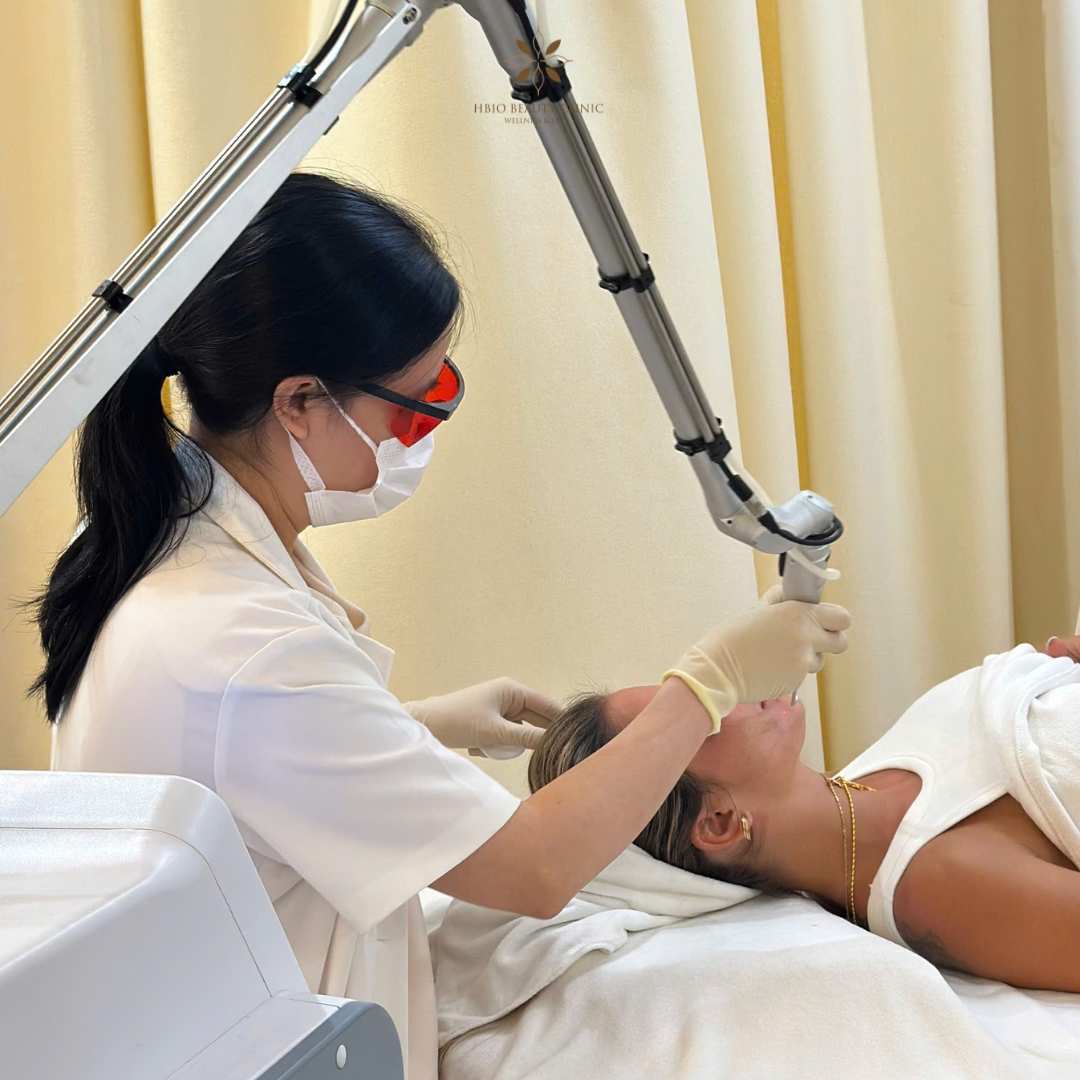
Authentic Products: We are committed to using internationally standardized PCL from clear, reliable sources, certified safe by prestigious medical organizations.
Modern Technology: The combination of PCL and complementary technologies at HBIO Clinic optimizes skin rejuvenation, shortens recovery time, and minimizes discomfort.
PCL FAQs
How long do PCL results last?
Typically, PCL effects last between 18 and 24 months, thanks to its mechanism of stimulating sustained, natural collagen production.
Does PCL injection cause significant swelling?
Mild swelling may occur during the first 1–3 days; this is a normal reaction as the skin begins its regeneration process.
Is PCL suitable for sensitive skin?
Yes, PCL has excellent biocompatibility. However, we recommend consulting a doctor at HBIO Clinic for a skin assessment before the procedure.
How does PCL differ from HA fillers?
HA fillers provide immediate volume through hydration and physical filling, whereas PCL focuses on stimulating the body to produce its own collagen for internal skin rejuvenation.
Is downtime required after PCL treatment for pitted scars?
No, you can resume normal activities immediately after the procedure, though you should avoid harsh sunlight and follow the doctor’s hygiene instructions.
Understanding PCL will give you greater confidence on your journey to achieving ageless skin. Don’t let scars or wrinkles undermine your self-confidence. Contact HBIO Clinic today to consult with a doctor about the most effective treatment plan for pitted scars and skin rejuvenation!