Tiếng Việt
When starting to use high-concentration active products such as Retinol, AHA, or BHA, many people experience a sudden flare-up of acne. This raises the question: is it skin purging or a breakout? Read on as HBIO Clinic explains what skin purging is and how to distinguish it from a breakout.
What is skin purging?
What is skin purging? In the beauty world, this is often referred to as the “acne-purging phase.” The term describes a process that accelerates skin cell turnover, helping to shed dead skin cells faster than usual.
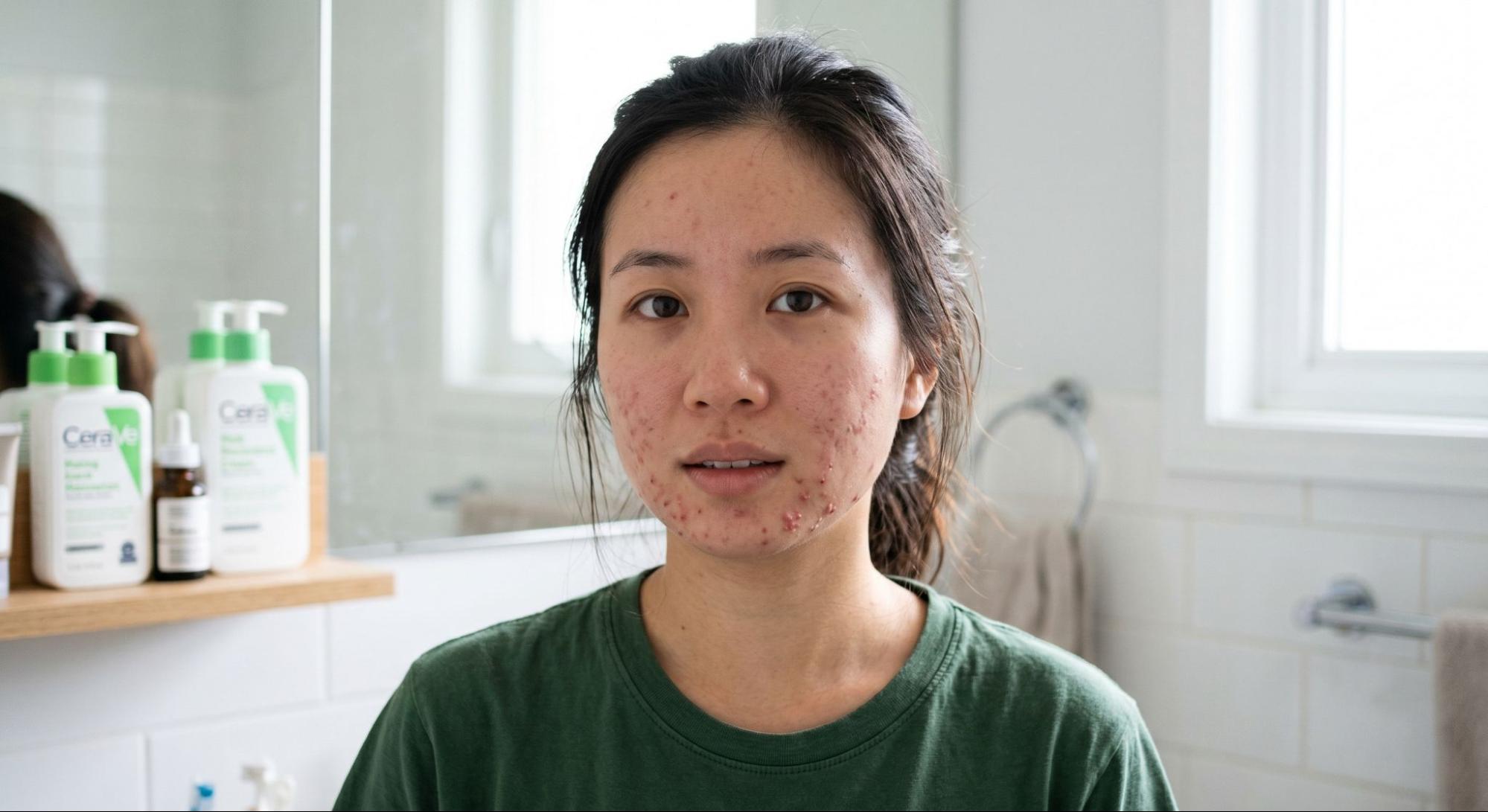
The specific mechanism of this process is as follows:
- The active ingredients in the product accelerate the skin’s recovery process, forcing excess sebum, dead skin flakes, and accumulated deep-seated impurities to the surface.
- This process helps shed old cells, revealing the healthier, more youthful skin cells beneath.
- Thanks to the accelerated skin turnover rate, long-standing acne lesions beneath the skin surface quickly “mature” and can be eliminated more easily.
- Depending on your skin type, various forms of acne—such as whiteheads, blackheads, papules, pustules, or cysts—may be brought to the surface.
- This phenomenon is sometimes accompanied by dryness and mild flaking.
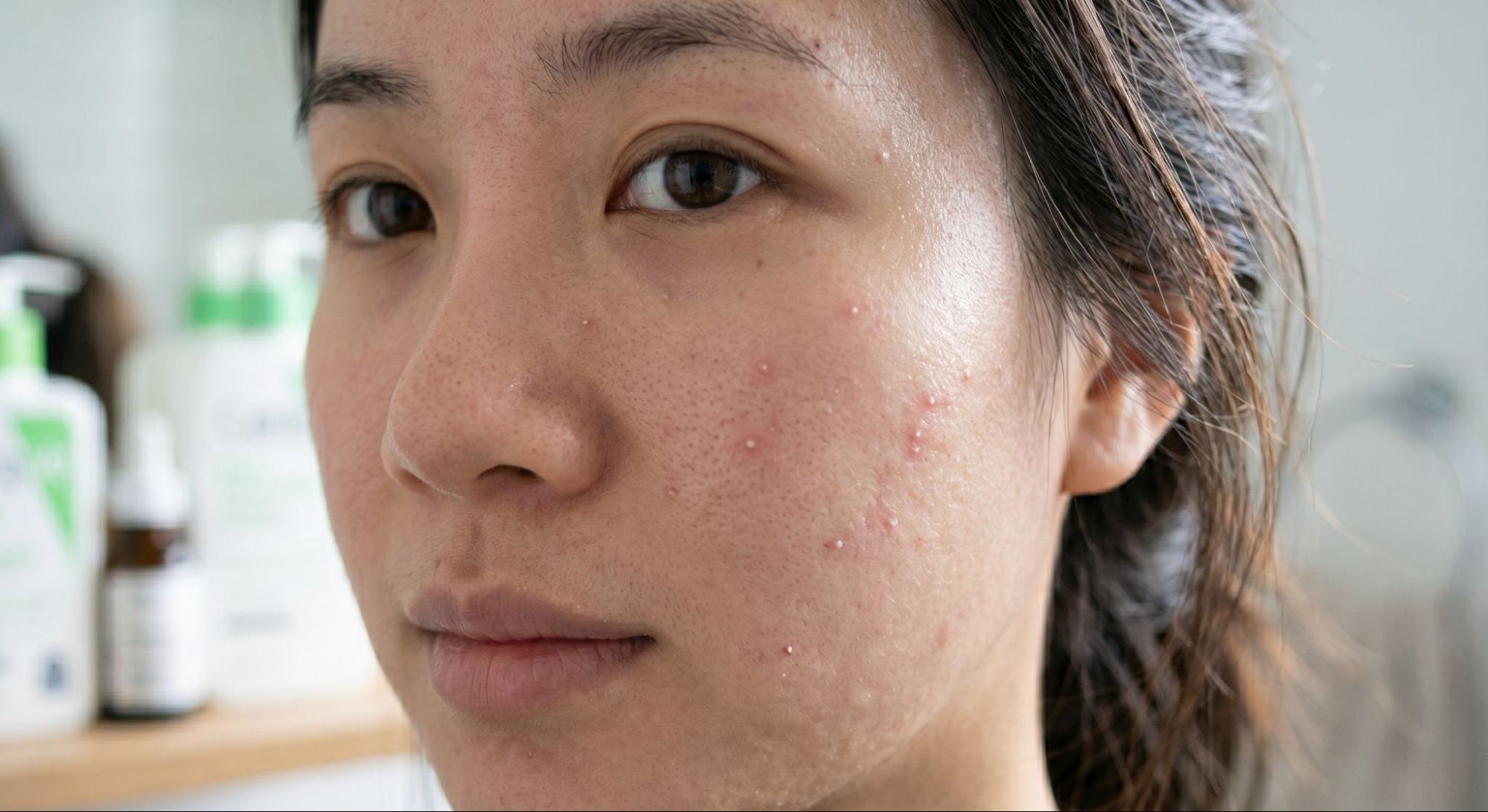
Understanding exactly what “purging” is will help you stay committed to your skincare treatment rather than becoming alarmed and discontinuing product use prematurely.
Causes of skin purging
Your skin often reacts by pushing acne to the surface when exposed to certain active skincare ingredients. Common causes include:
- Retinoids: These include Retinol, topical Tretinoin, and oral Isotretinoin. They are the primary agents known to trigger “flares of inflammatory lesions” when treatment begins.
- Exfoliating acids: AHAs (Alpha Hydroxy Acids) and BHAs (Beta Hydroxy Acids) are common triggers for purging due to their rapid exfoliating action.
- Intensive treatments: Certain facial treatments containing potent chemical ingredients can also stimulate this reaction.
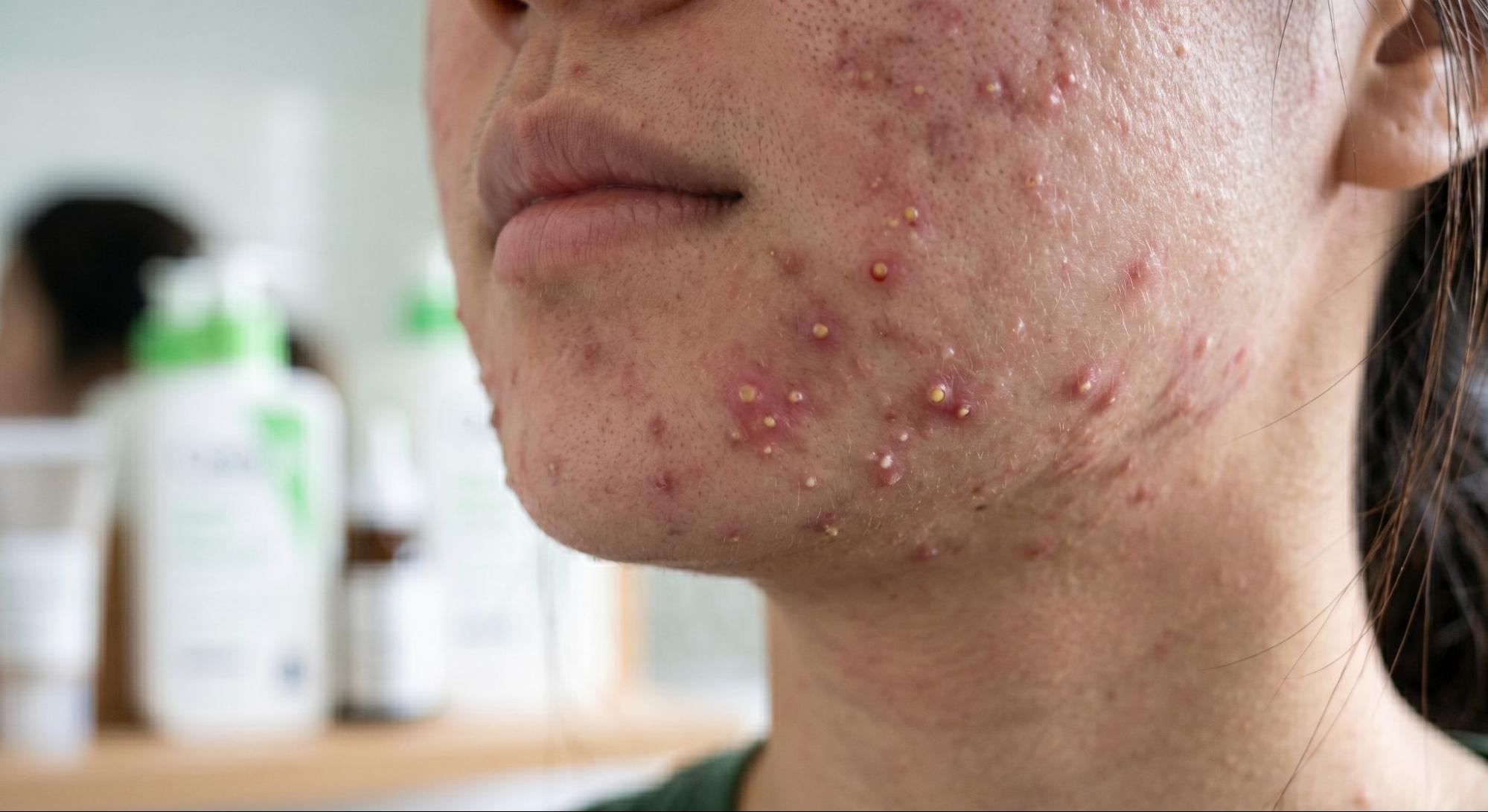
How long does skin purging usually last?
The duration of skin purging varies from person to person and depends on the natural rate of skin cell turnover. However, you can use the following average timeframe as a guide:
- A purging cycle typically takes about 28 days for the skin to fully heal and clear up.
- In general, dermatologists estimate that this phase concludes within 4 to 6 weeks of starting a new skincare regimen.
- Note: If the purging persists beyond 6 weeks without signs of improvement, you should consult a doctor to adjust the dosage or frequency of use.
A detailed guide to distinguishing between purging and breakouts
Confusing purging with a breakout (or irritation) can worsen your skin condition. Refer to the comparison chart below to accurately identify the issue you are experiencing:
| Criteria | Purging (Active Acne Purging) | Breakout (Irritation/Uncontrolled Acne) |
|---|---|---|
| Location of Breakouts | Usually occurs in areas where the skin has been prone to acne before. | Appears in areas that are new and have never experienced acne before. |
| Time to Disappear | Pimples quickly “come to a head” and disappear within 4–6 weeks. | Acne takes 8–10 days to begin appearing and tends to spread further. |
| Associated Sensations | Usually causes only mild itching around the developing pimples. | Accompanied by burning, intense itching, redness, and a strong stinging sensation. |
| Appearance of the Skin | Once the impurities are cleared, the skin becomes healthier and smoother. | Skin becomes red, flaky, hot, and sensitive when exposed to light. |
While “purging” is a natural process, a “breakout” is a reaction to incompatible products that leaves the skin weakened and sensitive. Knowing how to distinguish between the two is the first step toward timely skin recovery.
How to manage skin during the purging phase?
Once you have confirmed that you are experiencing purging, you should maintain a gentle skincare routine to prevent the spread of inflammation. HBIO Clinic offers the following recommendations:
- Prioritize gentle products: Use sulfate-free cleansers or those with a pH balance of 5.5.
- Hydrate and repair: Use moisturizers containing Vitamin B5 or Hyaluronic Acid to soothe the skin.
- Protect your skin: Never skip sunscreen during the day, as the skin is particularly vulnerable at this time.
- Avoid irritants: Strictly avoid products containing drying alcohols, fragrances, or artificial scents.
- Support recovery: Consider using Vitamin C to minimize acne scarring and adopt a healthy diet to accelerate the skin’s healing process.
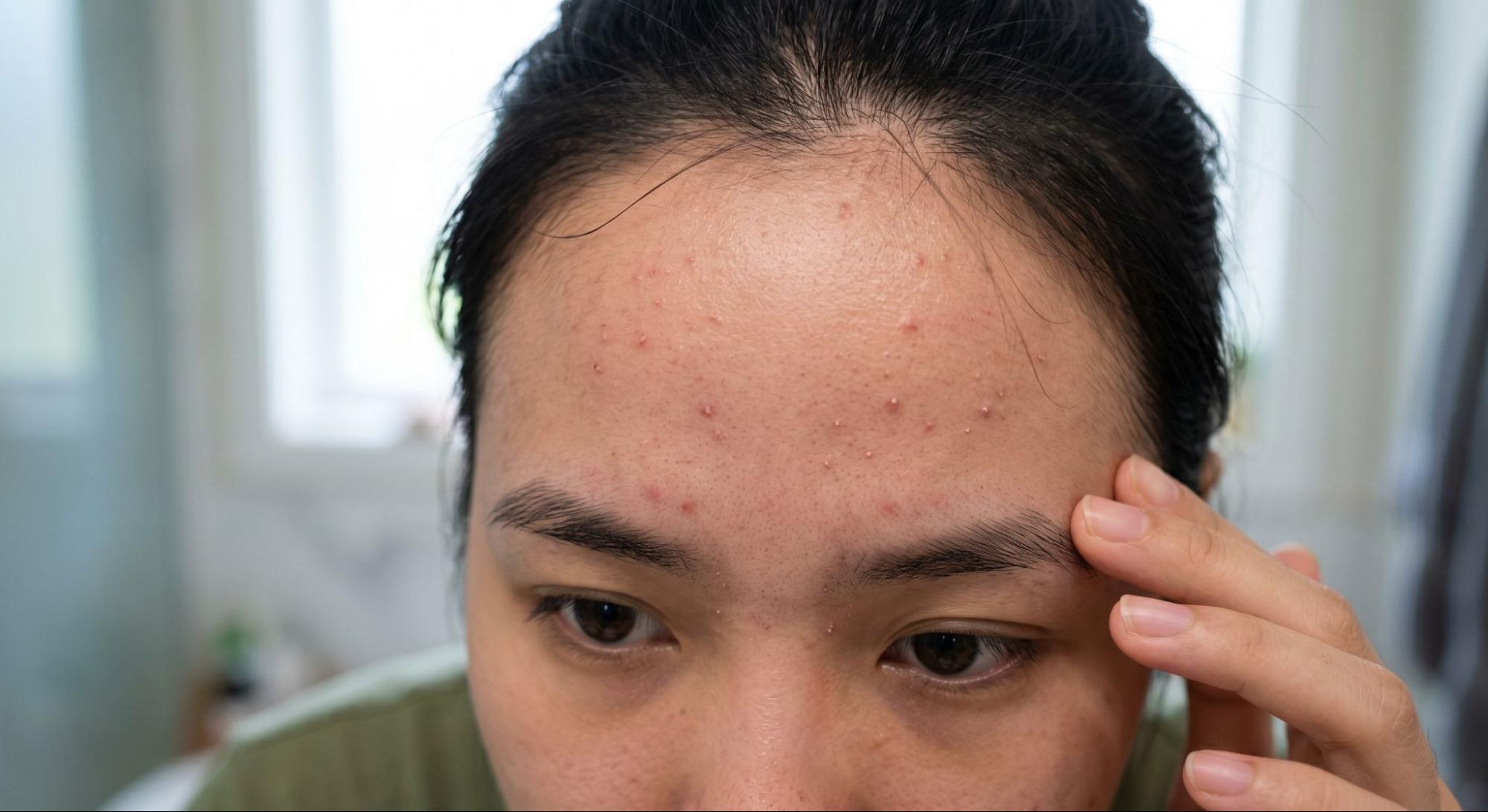
Advice from HBIO Clinic for the skin recovery process
The period following the onset of skin purging—while waiting for the skin to recover—is crucial. You should adhere to the following guidelines:
- Do not pick or squeeze pimples: Manual extraction only prolongs treatment time and increases the risk of permanent scarring. Allow the acne plugs to shed naturally.
- Avoid touching your face: This habit introduces bacteria and can worsen inflammation in the affected areas.
- Avoid products that cause severe dryness: Limit the use of high-concentration Benzoyl Peroxide or excessive Salicylic Acid while your skin is undergoing rapid cell turnover.
- Stop wearing makeup: Allow your skin to breathe and minimize congestion to facilitate faster recovery.
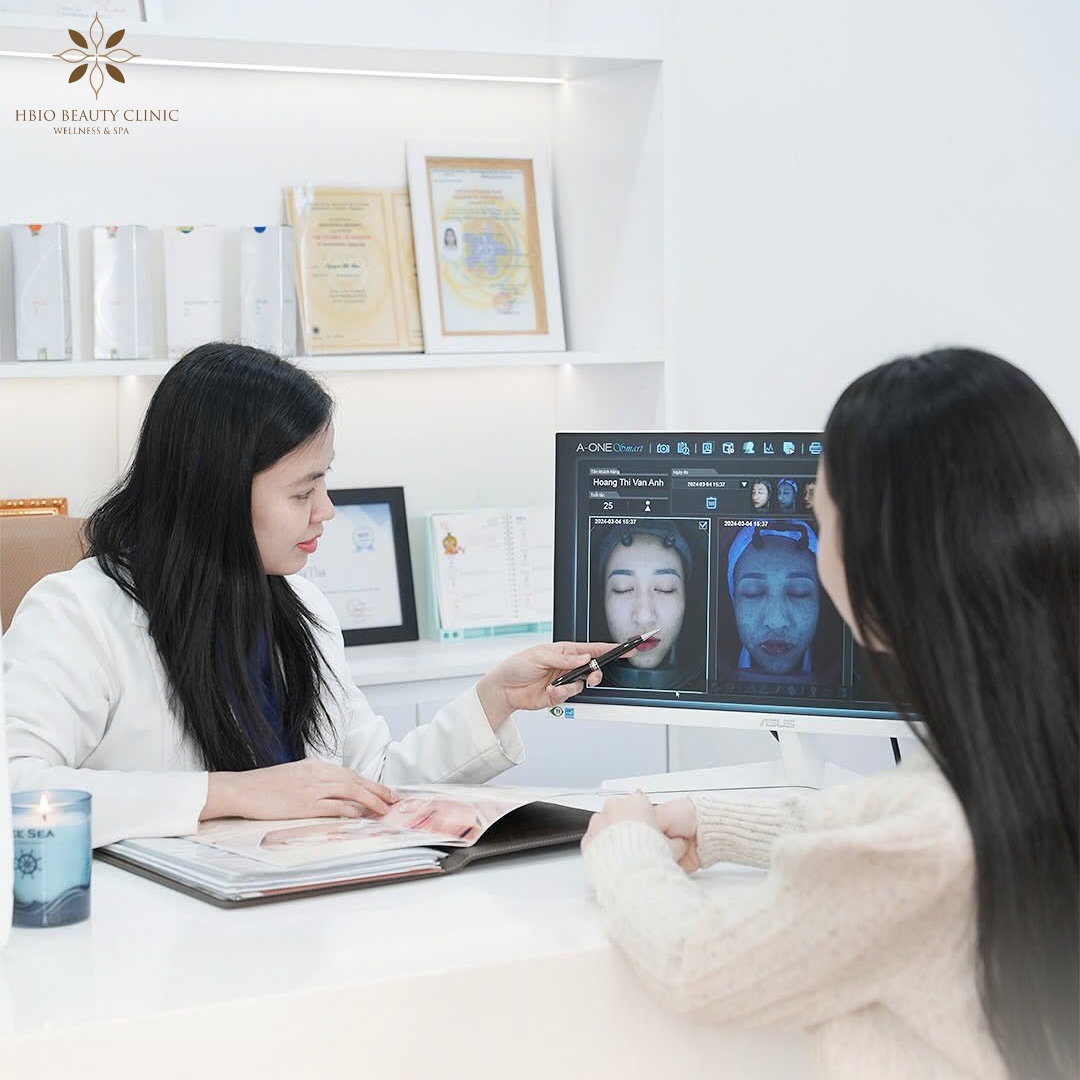
Accurately distinguishing between purging and a breakout will help you gain a proper understanding of your skin’s condition. Although the purging process can be troublesome, with persistence and proper care, the result will be a completely renewed, acne-free, and smoother complexion.
Common questions regarding purging and breakouts
Below is a summary of expert insights from HBIO Clinic to help you handle skin reactions to active treatment ingredients correctly:
What is the quickest way to tell if you are experiencing purging or a breakout?
Observe the location of the acne: purging typically occurs in areas where you previously experienced breakouts, whereas a breakout appears in entirely new areas.
Should you continue using the product if your skin feels hot, burning, and intensely itchy?
These are classic signs of irritation (a breakout); you should stop using the product immediately to avoid deep tissue damage and increased skin sensitivity.
How long does it take to see skin improvement after the purging phase?
The purging process generally aligns with the skin’s 28-day cycle and typically concludes within 4–6 weeks, resulting in clear, smooth skin.
Should you pop the pimples yourself when the heads rise to the surface?
Absolutely not; popping pimples increases the risk of infection and permanent scarring. Allow the comedones (plugs) to shed naturally.
We hope the question “What is purging?” has been answered in detail above. If you still have concerns about your current skin condition, do not hesitate to contact HBIO Clinic for a professional assessment and advice on the most medically sound recovery regimen.