Tiếng Việt

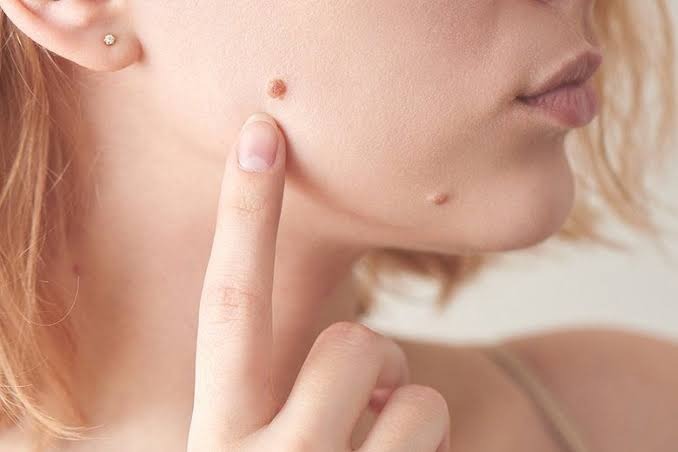
Whether or not to remove a mole depends on factors such as its impact on your appearance, the presence of any abnormal signs (e.g., changes in size, itching, pain, or bleeding), and potential dermatological risks. While most moles are benign, many can be aesthetically displeasing or pose health concerns. Join Hbio Clinic as we explore modern removal methods and essential considerations to keep in mind before proceeding.
Should you remove a mole? When is it appropriate – or inappropriate – to do so?
The decision to remove a mole depends on whether it is benign, as well as your personal desire to improve your appearance or address concerns related to *feng shui* (traditional beliefs regarding destiny and fortune). Mole removal can be performed safely, provided that the right method is used and the procedure is preceded by a thorough examination by a qualified specialist.
When should you consider mole removal?
Many people choose to have moles removed to boost their self-confidence or to resolve daily inconveniences. Specifically, you might consider removal if:
- The mole shows abnormal changes in shape, color, or size, raising concerns about potential malignancy.
- The mole is located in an area frequently subjected to friction from clothing or jewelry, causing pain, irritation, or bleeding.
- The mole significantly affects your facial aesthetics or concerns related to *feng shui* and personal fortune.
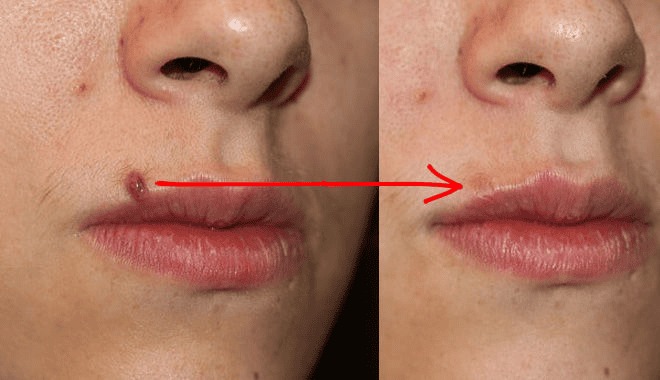
Situations where mole removal is not recommended
Not all moles are suitable for immediate removal, especially when the body is in a sensitive state. You should postpone any such procedure to avoid unnecessary health risks in the following cases:
- Moles considered “auspicious” or associated with good fortune—believed to bring luck and success in one’s career and personal life—that you may wish to keep.
- Individuals who are currently pregnant or breastfeeding.
- Attempts at self-removal at home using topical creams, acids, or folk remedies.
- Moles located too close to sensitive areas, such as the eyelid margins, or those showing signs of acute inflammation or infection.
Which moles may pose a risk of skin cancer?
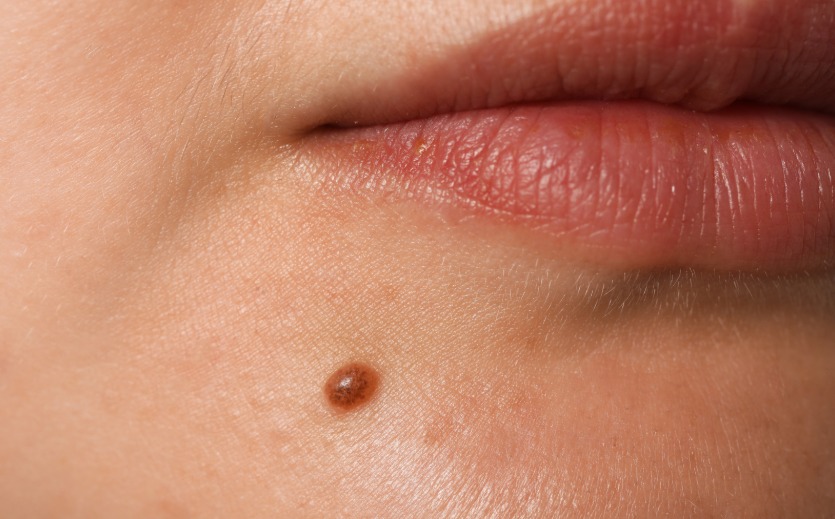
Constant exposure to UV rays or repeated friction can trigger abnormal changes in melanocytes (pigment-producing cells). You should pay close attention to moles that exhibit asymmetry, irregular or jagged borders, uneven coloration, or a diameter greater than 6mm.
Furthermore, rapid growth in size, oozing, itching, irritation, or the sudden loss of hair growing from a mole are all warning signs. If you notice any of these symptoms, you should seek a medical evaluation immediately.
Recommended medically-approved methods for mole removal
Today, medical science offers various advanced techniques for the safe and effective removal of skin pigmentations. Depending on the size, depth, and location of the mole, a doctor will recommend the optimal treatment to minimize the risk of unsightly scarring:
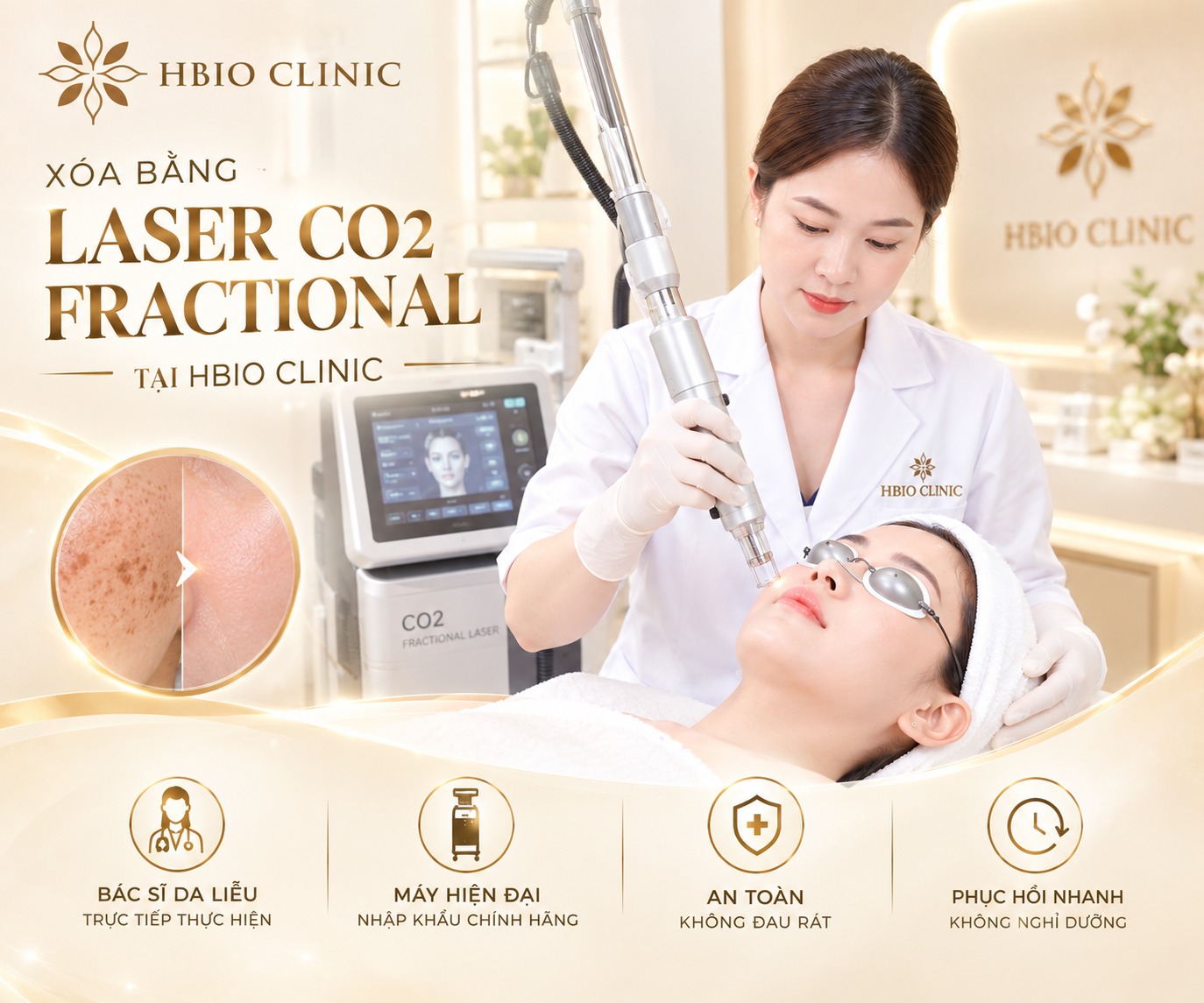
Mole removal via Fractional CO2 Laser at HBIO Clinic
- Advantages: Utilizes high-energy wavelengths to target the pigmented tissue precisely, vaporizing it without causing any damage to the surrounding healthy skin.
- Disadvantages: The cost may be higher than that of traditional electrocautery methods, and strict adherence to sun protection protocols is required.
Fractional CO2 Laser technology employs high-energy wavelengths to target pigmented areas with precision, vaporizing the melanin-rich tissue while leaving the surrounding skin unharmed.
This method facilitates rapid recovery, saves time, and is highly effective in preventing scarring. HBIO Clinic is a trusted provider, frequently chosen by clients for its use of this advanced technology.
We offer:
- A team of highly experienced dermatologists who personally conduct consultations and procedures.
- State-of-the-art, authentically imported Fractional CO2 Laser equipment, maintained under sterile conditions.
- A medically standardized, safe procedure that is painless and requires no downtime.
- Reasonable pricing, transparent warranty policies, and attentive post-operative care.
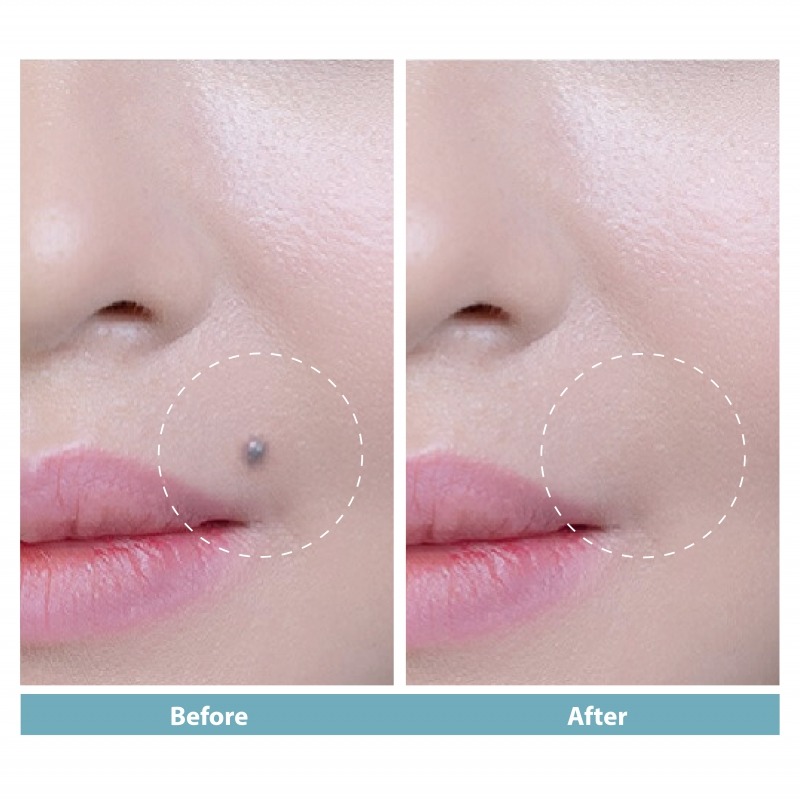
RF/Plasma Cauterization Technology
- Advantages: Utilizes high-frequency energy waves to gently break down the structure of pigmented cells, while facilitating rapid recovery of the surrounding skin tissue.
- Disadvantages: Best suited for medium-sized, superficial moles; if not performed precisely, it may result in dark spots or small, indented scars.
This next-generation RF cauterization technology employs high-frequency energy waves to delicately destroy the structure of pigmented cells. Unlike traditional cauterization methods, which often cause deep tissue damage, this technique minimizes such trauma and promotes quick skin recovery.
This solution is ideal for medium-sized moles that do not extend too deeply beneath the skin’s surface.
Surgical Excision (Minor Surgery)
- Advantages: The most definitive solution for large or deep-rooted moles; it allows for the complete collection of tissue samples for biopsy, if necessary.
- Disadvantages: Requires a highly skilled practitioner to ensure precise, aesthetic suturing; the healing process is longer, and a faint scar may remain.
For large, raised, or congenital moles with deep roots, surgical excision is the most thorough approach. A physician makes a small incision to completely remove the mole—including its root—and then closes the area with careful, aesthetic suturing.
Notably, this is the only method that allows for the collection of an intact tissue sample, which can be used for a biopsy to screen for the risk of skin cancer.
Latest Price List for Mole Removal
The cost of the procedure largely depends on the size and location of the mole, as well as the technology used. Removal via CO2 laser or electrocautery typically ranges from 100,000 to 300,000 VND per mole.
For larger or deep-rooted moles that require minor surgery, the cost is generally between 500,000 and 1,500,000 VND per mole. It is advisable to choose a reputable clinic to ensure transparent pricing and avoid unexpected or unclear charges during treatment.
Post-Procedure Skincare to Prevent Scarring
Post-operative care is a critical factor, accounting for 50% of the skin’s recovery process. Following these guidelines will help the wound heal quickly and smoothly, while minimizing the risk of persistent dark spots or scarring:
- Gently clean the wound with a saline solution (physiological saline) for the first 3–5 days.
- Apply antibacterial cream or skin-regenerating products as prescribed by your doctor.
- Protect the wound from direct contact with water, dirt, and sunlight.
- Do not pick at the scab; allow it to dry and fall off naturally.
- Avoid foods that may promote keloid scarring or skin discoloration, such as beef, water spinach, seafood, and glutinous rice-based dishes.

Frequently Asked Questions (FAQ)
Undergoing skin treatment procedures often raises questions regarding safety and what the experience will feel like. The brief answers below will help you feel well-prepared:
1. Is mole removal painful?
Before the procedure, the doctor will apply a topical anesthetic or administer a local anesthetic injection, ensuring that you will not feel any pain or discomfort throughout the process.
2. How long does it take for the wound to heal completely?
Typically, a scab will form and fall off on its own after 5–7 days. The skin will continue to regenerate, stabilize in color, and fully recover within 2–4 weeks, depending on the individual.
3. Will a mole grow back after it has been removed?
If the procedure is performed correctly and the root of the pigmented cells is completely removed, the mole will not grow back. If only the surface is treated, the pigmentation may recur.
4. Can I wash my face after the procedure?
You should avoid getting the wound wet for the first 24 hours. In the following days, you may gently clean the area using a saline solution until the scab falls off.
5. Will there be any scarring or dark spots after the procedure?
When modern technology is used and proper aftercare is followed, the risk of scarring or dark spots is very low. Your doctor may also prescribe a topical anti-scarring cream to ensure the best aesthetic outcome.
We hope this detailed information has addressed your questions regarding safe mole removal procedures. Seeking a consultation at a reputable medical facility will help you choose the most appropriate method, ensuring an excellent aesthetic result while providing the best possible care for your skin’s health.