Tiếng Việt

Many expectant mothers wonder whether pregnancy-related melasma will disappear after childbirth. The answer is: it is possible—in most cases, these dark spots will gradually fade on their own once hormone levels stabilize postpartum. However, there are instances where the pigmentation runs deep and requires professional intervention. Explore the information below with HBIO Clinic to learn how to effectively restore your skin!
Why are pregnant women prone to developing melasma during pregnancy?
The appearance of dark spots or skin discoloration during pregnancy is quite common and can often lead to a loss of self-confidence. These dark patches primarily stem from internal physiological changes combined with external environmental factors:
- Hormonal fluctuations: A sharp rise in estrogen and progesterone levels stimulates melanocytes to produce an excess of melanin.
- UV exposure: Sunlight triggers the activation and proliferation of pigment molecules on the skin’s surface.
- Genetic and individual predisposition: Those with a family history of melasma or individuals with darker skin tones are more susceptible to this condition.
- Stress and fatigue: Psychological changes and anxiety during pregnancy can disrupt the skin’s metabolic processes.

In some cases, melasma that develops during pregnancy does not go away on its own after childbirth
While most dark patches tend to fade after childbirth, in many cases, they may persist. Being aware of the following factors can help you take a more proactive approach to your skincare:
- Deep-seated pigmentation: Pigment clusters that have settled into the dermis or hypodermis are unlikely to fade on their own without professional intervention.
- Lack of sun protection: Being busy with childcare may lead to neglecting sun protection measures, such as wearing protective clothing or applying sunscreen daily.
- Use of hormonal contraceptives: Using birth control pills or patches containing estrogen shortly after giving birth can cause pigmentation to persist.
- Staying up late and prolonged stress: An irregular lifestyle following childbirth can make it difficult for hormones to return to a balanced state.
Some safe treatment options for melasma to consider
Choosing the right skincare approach for each stage helps ensure optimal results while safeguarding the health of both mother and baby. Below are some suggestions for addressing skin pigmentation (melasma) during pregnancy and the postpartum period:
Improvement methods for pregnant women
During pregnancy, the top priority is always the safety of the fetus’s development. Applying the following benign habits will help control the development of pigmentation without causing negative effects:
- Apply physical sunscreen: Use products containing zinc oxide or titanium dioxide with an SPF of 30 or higher.
- Cover up carefully when going out: Wear a wide-brimmed hat, mask and long-sleeved shirt to minimize ultraviolet radiation.
- Moisturize with gentle products: Choose creams with natural extracts that do not contain irritating fragrances or alcohol.
- Apply a natural mask: Use benign ingredients such as ripe bananas, turmeric starch or cucumbers to gently brighten the skin.
Note: The above information is for reference only. Before using any products or ingredients on your skin, you should consult a specialist to ensure absolute safety.

Medical treatment for postpartum melasma
Once the postpartum period has passed and the body has stabilized, women can pursue more intensive treatments to restore their skin. Timely intervention allows for the rapid and thorough removal of dark patches.
- Topical treatments: Use skin-brightening agents—such as azelaic acid, tretinoin, or hydroquinone—as prescribed.
- Chemical peels: Utilize mild acids, such as glycolic acid, to exfoliate the darkened, keratinized outer layer of the skin.
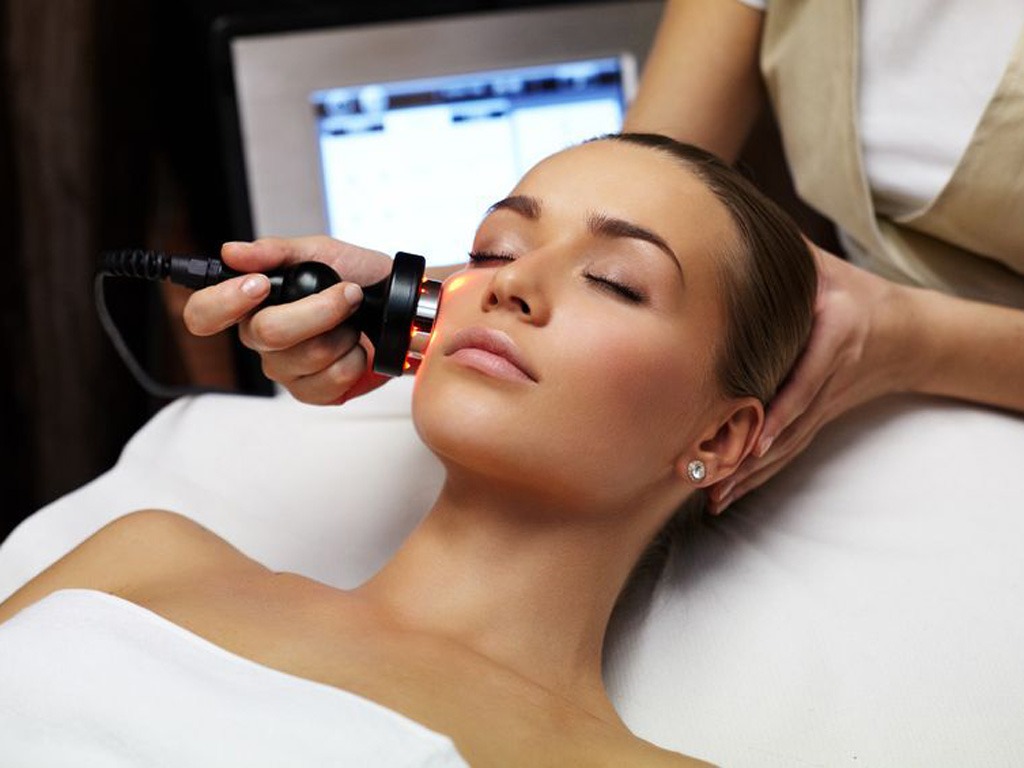
- Intense Pulsed Light (IPL) therapy: Employ high-intensity light pulses to break down clusters of melanin beneath the skin’s surface.
- Laser treatment: Target the root of the pigmentation to eliminate dark spots without damaging the surrounding skin.
Note: These medical approaches are provided for reference only. It is essential to consult with a dermatologist for a professional assessment, a formal prescription, and a personalized treatment plan.
Important precautions for pregnant women
Improper skincare during pregnancy can exacerbate skin pigmentation issues. Keep the following warnings in mind to ensure the safest possible care for your skin:
- Avoid “mixed” (unregulated/homemade) creams and “instant-effect” products: Creams containing corticosteroids or harsh bleaching agents can erode the skin and cause serious damage.
- Avoid facial waxing: The pulling action can cause micro-inflammation, making areas of hyperpigmentation even darker.
- Avoid invasive procedures: Pause treatments such as laser therapy or high-concentration chemical peels throughout your pregnancy.
- Limit outdoor activity during peak hours: Avoid sun exposure between 10:00 AM and 2:00 PM.
Where should a new mother go for a check-up and treatment for melasma after giving birth?
Finding a reputable clinic for postpartum skin recovery is of great importance to women. With a team of highly experienced doctors and state-of-the-art technology, we help women quickly regain their confidence. If you are concerned about persistent facial pigmentation or melasma following pregnancy, HBIO Clinic is a trusted destination.
We are committed to the following:
- A team of leading experts: HBIO Clinic brings together highly experienced dermatologists who personally conduct consultations and detailed skin analyses.
- Personalized treatment protocols: Based on your individual skin profile and the severity of pigmentation, HBIO Clinic designs a tailored treatment plan, ensuring absolute safety.
- Advanced, high-tech equipment: Our facility is equipped with cutting-edge laser and light-based systems, designed to accelerate the skin recovery process.
- Dedicated, attentive care: Clients receive continuous support and close monitoring throughout the entire pre- and post-treatment journey.

The information above addresses the question of whether pregnancy-related melasma disappears after childbirth and provides safe skincare solutions. Understanding the underlying causes will empower you to take a proactive approach to protecting your skin. Maintaining a healthy lifestyle and consulting with a medical specialist can help you restore your skin’s radiance more quickly.